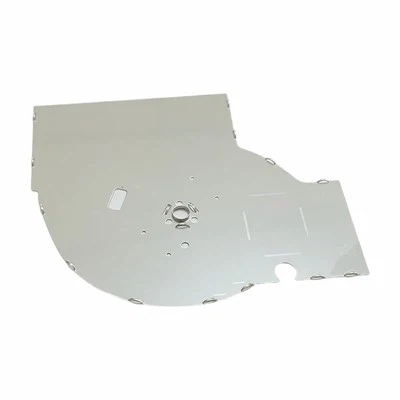
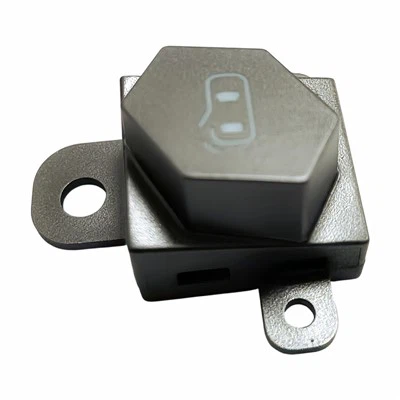
As a seasoned impeller mould supplier, I've witnessed firsthand the critical role that inspection standards play in ensuring the quality and performance of these essential components. Impeller moulds are used in a wide range of industries, from automotive and aerospace to electronics and consumer goods. The precision and accuracy of these moulds directly impact the quality of the impellers they produce, which in turn affects the efficiency and reliability of the end products.


In this blog post, I'll share some of the key inspection standards that we follow at our company to ensure that our impeller moulds meet the highest quality standards. These standards cover everything from the design and manufacturing process to the final inspection and testing of the finished moulds.
Design and Engineering Standards
The design and engineering phase is the foundation of any successful impeller mould project. It's during this stage that we work closely with our customers to understand their specific requirements and develop a customised design that meets their needs. To ensure the accuracy and precision of our designs, we follow a strict set of standards and guidelines.
- CAD/CAM Design: We use advanced computer-aided design (CAD) and computer-aided manufacturing (CAM) software to create detailed 3D models of the impeller moulds. These models allow us to visualise the design and identify any potential issues before the manufacturing process begins.
- Material Selection: The choice of materials is crucial for the performance and durability of the impeller moulds. We carefully select high-quality materials that are suitable for the specific application and ensure that they meet the required standards for strength, hardness, and corrosion resistance.
- Tolerance Analysis: Tolerance analysis is an important part of the design process. It helps us to determine the acceptable range of variation in the dimensions of the impeller moulds and ensure that they will fit and function properly. We use advanced software tools to perform tolerance analysis and make any necessary adjustments to the design.
Manufacturing Standards
Once the design is finalised, the manufacturing process begins. This is where the precision and accuracy of the machining and assembly operations are critical to ensuring the quality of the impeller moulds. To ensure that our manufacturing processes meet the highest standards, we follow a strict set of procedures and guidelines.
- CNC Machining: We use state-of-the-art computer numerical control (CNC) machining equipment to manufacture the impeller moulds. These machines are capable of producing highly precise and accurate parts with tight tolerances. We regularly calibrate and maintain our CNC machines to ensure that they are operating at peak performance.
- Heat Treatment: Heat treatment is an important step in the manufacturing process. It helps to improve the strength, hardness, and durability of the impeller moulds. We use advanced heat treatment techniques to ensure that the materials are properly treated and meet the required specifications.
- Assembly and Testing: After the individual parts are manufactured, they are assembled into the final impeller mould. We follow a strict assembly process to ensure that the parts are properly aligned and fitted together. Once the assembly is complete, we perform a series of tests to ensure that the impeller moulds meet the required performance standards.
Inspection and Testing Standards
Before the impeller moulds are shipped to our customers, they undergo a rigorous inspection and testing process. This process is designed to ensure that the moulds meet the highest quality standards and are free from any defects or imperfections.
- Visual Inspection: A visual inspection is the first step in the inspection process. Our experienced inspectors carefully examine the impeller moulds for any visible defects, such as cracks, scratches, or burrs. They also check the dimensions and surface finish of the moulds to ensure that they meet the required specifications.
- Dimensional Inspection: Dimensional inspection is an important part of the quality control process. We use advanced measuring equipment, such as coordinate measuring machines (CMMs), to measure the dimensions of the impeller moulds and ensure that they are within the acceptable tolerance range.
- Functional Testing: Functional testing is the final step in the inspection process. We use specialized testing equipment to simulate the operating conditions of the impeller moulds and ensure that they are functioning properly. This includes testing the flow rate, pressure, and efficiency of the impellers produced by the moulds.
Importance of Inspection Standards
The inspection standards that we follow at our company are not just a set of rules and guidelines. They are a commitment to quality and customer satisfaction. By following these standards, we are able to ensure that our impeller moulds meet the highest quality standards and are reliable and durable.
- Quality Assurance: Inspection standards help to ensure that the impeller moulds meet the required quality standards. By performing regular inspections and tests, we are able to identify and correct any potential issues before the moulds are shipped to our customers. This helps to prevent costly delays and rework and ensures that our customers receive high-quality products.
- Customer Satisfaction: Customer satisfaction is our top priority. By following strict inspection standards, we are able to provide our customers with impeller moulds that meet their specific requirements and expectations. This helps to build trust and loyalty with our customers and ensures that they will continue to do business with us in the future.
- Compliance with Regulations: In many industries, there are strict regulations and standards that govern the design, manufacturing, and use of impeller moulds. By following our inspection standards, we are able to ensure that our products comply with these regulations and standards. This helps to protect our customers from legal liability and ensures that our products are safe and reliable.
Conclusion
In conclusion, inspection standards are essential for ensuring the quality and performance of impeller moulds. At our company, we are committed to following strict inspection standards throughout the design, manufacturing, and testing process. By doing so, we are able to provide our customers with high-quality impeller moulds that meet their specific requirements and expectations.
If you're in the market for high-quality impeller moulds, we invite you to contact us to learn more about our products and services. We would be happy to discuss your specific needs and provide you with a customised solution that meets your requirements.
References
- Smith, J. (2019). Quality Control in Manufacturing. New York: McGraw-Hill.
- Jones, A. (2020). Inspection and Testing of Precision Moulds. London: Elsevier.
- Brown, C. (2021). The Importance of Standards in the Manufacturing Industry. Chicago: Wiley.