Hey there! As a supplier of coating for plastic parts, I often get asked this question: "How long does the coating on plastic parts last?" Well, there's no one - size - fits - all answer to this, as it depends on a bunch of factors. Let's dig into it.
Factors Affecting the Lifespan of Plastic Part Coatings
1. Coating Material
The type of coating material you choose plays a huge role. There are different kinds out there, like acrylic, polyurethane, and epoxy coatings. Acrylic coatings are known for their good UV resistance and fast - drying properties. They're often used in applications where a quick turnaround is needed. However, they might not be as durable as polyurethane coatings in the long run.
Polyurethane coatings, on the other hand, are super tough. They offer excellent abrasion resistance, chemical resistance, and can withstand a wide range of temperatures. If you're looking for a coating that will last a long time, especially in harsh environments, polyurethane is a great choice. Epoxy coatings are also very durable and are commonly used for their high - strength and chemical - resistant properties. They're often used in industrial applications.
2. Application Method
How the coating is applied matters a lot. If the coating is applied too thick or too thin, it can affect its lifespan. For example, if the coating is applied too thinly, it might not provide enough protection, and it could wear off quickly. On the other hand, if it's applied too thickly, it might crack or peel over time.
Proper surface preparation is also crucial. The plastic surface needs to be clean, dry, and free of any contaminants before the coating is applied. If there are any oils, dirt, or dust on the surface, the coating might not adhere properly, which can lead to premature failure.


3. Environmental Conditions
The environment where the plastic part is used has a big impact on the coating's lifespan. If the part is exposed to high temperatures, UV radiation, humidity, or chemicals, it can wear down the coating faster.
For instance, plastic parts used in outdoor applications are constantly exposed to sunlight, rain, and temperature fluctuations. The UV rays from the sun can break down the chemical bonds in the coating, causing it to fade, crack, or peel. High humidity can also cause the coating to blister or delaminate. In industrial settings, exposure to chemicals can corrode the coating and reduce its effectiveness.
4. Usage and Wear
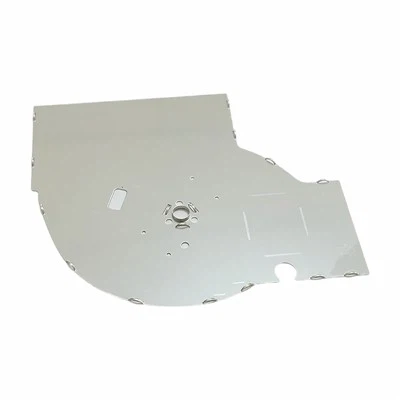
How the plastic part is used also affects the coating's lifespan. If the part is subject to a lot of friction, abrasion, or impact, the coating will wear off more quickly. For example, plastic parts in a car interior that are frequently touched or rubbed, like the Car Central Control Panel, will experience more wear and tear on the coating compared to parts that are not frequently used.
Typical Lifespans of Plastic Part Coatings
In general, the lifespan of a coating on plastic parts can range from a few months to several years.
For parts used in mild indoor environments with minimal wear and tear, like some consumer electronics, an acrylic coating might last 2 - 5 years. These parts are usually not exposed to harsh chemicals or extreme temperatures, so the coating can maintain its integrity for a relatively long time.
If you're using a polyurethane coating on plastic parts in outdoor applications, it can last anywhere from 5 - 10 years or even longer, depending on the quality of the coating and the specific environmental conditions. Polyurethane's high resistance to UV radiation and abrasion makes it suitable for long - term outdoor use.
For industrial applications where the parts are exposed to harsh chemicals and high - stress conditions, an epoxy coating might last 3 - 7 years. Epoxy coatings are designed to withstand chemical attacks and mechanical stress, but over time, they can still degrade due to continuous exposure.
Case Studies
Let's take a look at some real - world examples to better understand how these factors play out.
Car Interior Parts
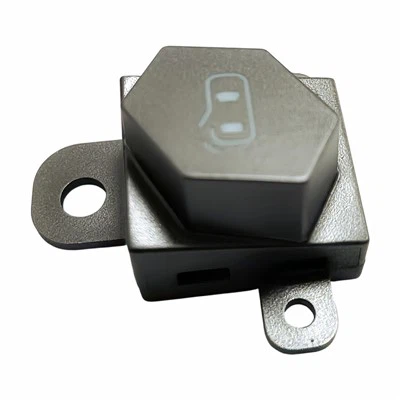
In a car, different plastic parts have different coating requirements and lifespans. The Car Door Parts are often exposed to a lot of handling, as people open and close the doors regularly. A high - quality polyurethane coating on these parts can last around 5 - 7 years. This coating can withstand the friction and abrasion from daily use, as well as the temperature changes inside the car.
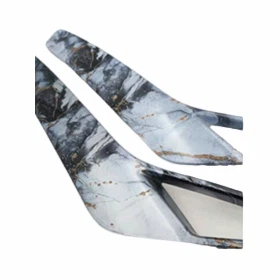
The Car Ambient Light Parts are usually in a more protected environment but still need to look good over time. An acrylic coating on these parts can last 3 - 5 years, providing a nice finish and some protection against minor scratches.
Outdoor Furniture
Plastic outdoor furniture is exposed to all kinds of weather conditions. If it's coated with a good - quality polyurethane coating, it can last 7 - 10 years. The coating protects the plastic from UV rays, rain, and temperature changes, ensuring that the furniture looks good and remains functional for a long time.
Extending the Lifespan of Plastic Part Coatings
If you want to make the coating on your plastic parts last longer, here are some tips:
- Regular Maintenance: Clean the coated plastic parts regularly with a mild cleaner. This helps remove any dirt, dust, or contaminants that could damage the coating over time.
- Avoid Harsh Chemicals: Don't use harsh chemicals or abrasive cleaners on the coated parts, as they can damage the coating.
- Proper Storage: If the plastic parts are not in use, store them in a cool, dry place away from direct sunlight and extreme temperatures.
Conclusion
So, as you can see, the lifespan of the coating on plastic parts depends on many factors, including the coating material, application method, environmental conditions, and usage. By choosing the right coating, applying it correctly, and taking proper care of the coated parts, you can ensure that the coating lasts as long as possible.
If you're in the market for high - quality coating for your plastic parts, we're here to help. We've got a wide range of coating options to suit different needs and applications. Whether you're in the automotive, consumer electronics, or industrial sector, we can provide you with the best coating solutions. Don't hesitate to reach out for a procurement discussion, and let's work together to find the perfect coating for your plastic parts.
References
- "Handbook of Coating Technology" by William D. Callister
- "Plastic Materials and Their Properties" by John A. Brydson
- Industry reports on plastic part coatings from leading market research firms.