As a supplier of Busbar U V W, I understand the critical importance of fire safety requirements. In this blog, I'll delve into the key fire - safety aspects that are essential for Busbar U V W systems.
1. Understanding Busbar U V W
Busbar U V W, as you can learn more about from Busbar U V W, are integral components in electrical power distribution systems. They are used to conduct, distribute, and collect electric power. These busbars are typically made of copper or aluminum and are designed to carry high - current electrical loads. In industrial, commercial, and even some residential settings, they play a central role in ensuring the smooth flow of electricity.
2. Fire Hazards Associated with Busbar U V W
Before discussing the fire - safety requirements, it's necessary to understand the potential fire hazards. One of the primary causes is overheating. When the busbar is overloaded with current, the resistance in the conductors generates heat. If this heat is not dissipated properly, it can lead to a significant increase in temperature. Over time, this excessive heat can cause the insulation around the busbar to degrade, melt, or even catch fire.
Another risk factor is poor electrical connections. Loose or corroded connections can increase the resistance at the connection points. Similar to overloading, this increased resistance results in more heat generation. Arcing can also occur at these faulty connections, which is a high - energy electrical discharge that can ignite surrounding flammable materials.
3. Fire - Safety Design Requirements
3.1 Insulation Materials
The choice of insulation materials is crucial for fire safety. High - quality insulation materials with good fire - resistant properties should be used. These materials should have a high melting point and self - extinguishing capabilities. For example, some advanced insulation materials are designed to resist combustion and prevent the spread of fire. They can also maintain their electrical insulating properties even under high - temperature conditions, which helps to prevent short - circuits that could lead to fires.
3.2 Heat Dissipation Design
Proper heat dissipation is essential to prevent overheating. Busbar U V W systems should be designed with adequate ventilation. This can involve the use of cooling fins or ventilation channels in the enclosures. The design should ensure that the heat generated during normal operation can be efficiently transferred to the surrounding environment. In some large - scale applications, forced - air cooling or liquid - cooling systems may be employed to maintain the busbar temperature within a safe range.
3.3 Enclosure Design
The enclosure of the Busbar U V W system serves as a physical barrier against fire. It should be made of fire - resistant materials, such as fire - rated steel or fiberglass. The enclosure should be sealed properly to prevent the entry of flammable gases or dust, which could potentially fuel a fire. Additionally, the enclosure should be designed to contain any fire that may start inside, preventing it from spreading to the surrounding area.
4. Installation and Maintenance Requirements
4.1 Installation
During the installation process, strict adherence to electrical codes and standards is necessary. All connections must be tightened to the correct torque specifications to ensure low - resistance connections. The busbars should be installed in a clean and dry environment, away from sources of heat and flammable materials. Proper grounding is also essential to prevent electrical faults that could lead to fires.


4.2 Maintenance
Regular maintenance is vital for fire safety. Inspections should be carried out periodically to check for signs of wear, damage, or overheating. This can include visual inspections of the insulation, connections, and enclosures. Thermal imaging cameras can be used to detect hot spots that may indicate potential problems. Any loose connections should be tightened, and damaged insulation should be replaced promptly.
5. Compatibility with Other Components
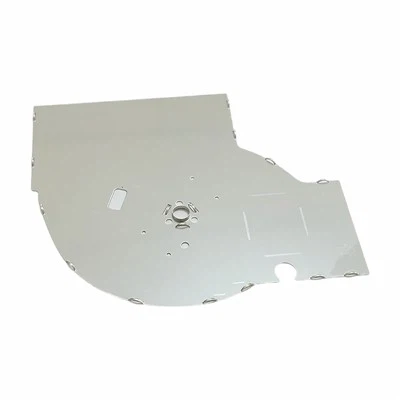
Busbar U V W systems are often part of a larger electrical network. They need to be compatible with other components such as Fisheye Terminals and Silicon Steel Sheets Are Automatically Stacked. The overall system design should take into account the fire - safety requirements of all components. For example, the connection between the busbar and fisheye terminals should be designed to minimize heat generation and ensure electrical stability. If the silicon steel sheets are used in conjunction with the busbar system, their installation and operation should not pose any additional fire risks.
6. Testing and Certification
To ensure that the Busbar U V W systems meet the fire - safety requirements, they should undergo rigorous testing. This can include fire - resistance tests, temperature - rise tests, and dielectric tests. Products that pass these tests can obtain relevant certifications, which are a guarantee of their fire - safety performance. These certifications also provide customers with confidence in the safety of the products.
7. Importance of Fire - Safety in the Supply Chain
As a Busbar U V W supplier, I am committed to ensuring that every product leaving our facility meets the highest fire - safety standards. We work closely with our raw material suppliers to source high - quality materials. Our manufacturing processes are strictly controlled to ensure the integrity of the products. By providing safe and reliable Busbar U V W systems, we not only protect the end - users from fire hazards but also contribute to the overall safety of the electrical infrastructure.
8. Contact for Procurement
If you are in the market for high - quality, fire - safe Busbar U V W systems, we are here to serve you. Our products are designed and manufactured with the latest fire - safety technologies and comply with international standards. Whether you have a small - scale project or a large - scale industrial application, we can provide customized solutions to meet your specific needs. Feel free to reach out to us for more information and to start a procurement discussion.
References
- Electrical Safety Standards Handbook.
- Fire Protection in Electrical Systems: A Comprehensive Guide.
- International Electrotechnical Commission (IEC) Standards on Busbar Systems.