Hey there! As a supplier of metal insert moulds, I've seen my fair share of problems that customers run into. In this blog, I'm gonna talk about some of the common issues with metal insert moulds and how we can solve them.
1. Insert Misalignment
One of the most frequent problems is insert misalignment. When the metal inserts aren't placed correctly in the mould, it can lead to a whole bunch of issues. For example, in the production of Cooling Fan Housing, misaligned inserts can cause uneven cooling or improper fitting of components.
Cause:
- Improper handling during the insert placement process. Sometimes, workers might not be paying full attention, or the design of the insert placement fixture might be off.
- Wear and tear of the mould. Over time, the mould can get damaged or deformed, which affects the position of the inserts.
Solution:
- First off, we can improve the worker training. Make sure they know exactly how to place the inserts correctly every time. We can also use precision placement tools. For instance, automated robotic systems can place the inserts with high accuracy, reducing the chances of misalignment.
- Regular maintenance of the mould is crucial. We should check the mould for any signs of wear and tear and repair or replace damaged parts promptly.
2. Insert Ejection Problems
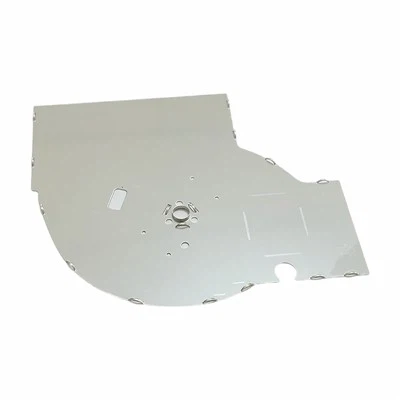
Another common headache is insert ejection problems. This means that the inserts don't come out of the mould smoothly after the injection process. In the case of Silicon Steel Sheet Insulator production, if the inserts can't be ejected easily, it can slow down the production line and even damage the inserts.
Cause:
- Friction between the inserts and the mould cavity. This can be due to rough surfaces in the mould or the wrong type of lubricant being used.
- Incorrect ejection mechanism design. If the ejection pins aren't placed in the right spots or if the ejection force is too weak, the inserts won't come out properly.
Solution:
- We can use high - quality lubricants that reduce friction. Also, we can polish the mould cavity to make it smoother. This helps the inserts slide out more easily.
- Re - evaluate and optimize the ejection mechanism. We might need to adjust the position of the ejection pins or increase the ejection force. Sometimes, adding more ejection pins can distribute the force evenly and make the ejection process more efficient.
3. Insert Damage During Moulding
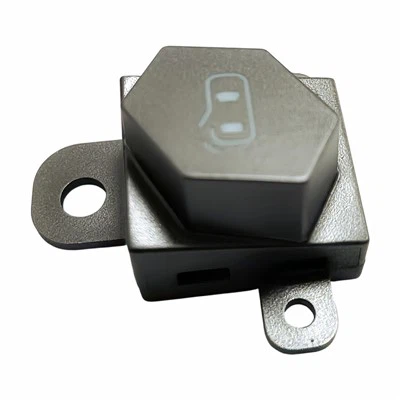
Inserts can get damaged during the moulding process, which is a big problem. In the production of Automotive Connector, damaged inserts can lead to faulty connectors, which can be dangerous in a car.
Cause:
- High injection pressure. If the pressure is too high, it can deform the inserts.
- Impact during the mould closing. When the two halves of the mould come together, they can hit the inserts with too much force.
Solution:
- Adjust the injection pressure. We need to find the right balance between getting a good - quality moulded part and not damaging the inserts. This might involve some trial and error, but it's worth it in the long run.
- Install shock - absorbing materials or use a softer closing mechanism for the mould. This can reduce the impact on the inserts when the mould closes.
4. Poor Adhesion between Insert and Moulded Material
In some cases, there might be poor adhesion between the metal insert and the moulded material. This is a problem because it can lead to the insert separating from the moulded part, which is unacceptable in most applications.
Cause:
- Surface contamination on the insert. If there's grease, oil, or dirt on the insert surface, it can prevent proper adhesion.
- Incompatible materials. Sometimes, the combination of the metal insert and the moulded plastic might not bond well together.
Solution:
- Clean the inserts thoroughly before placing them in the mould. We can use specialized cleaning agents to remove any contaminants.
- Select more compatible materials. We might need to test different types of plastics and metals to find the combination that offers the best adhesion.
5. Mould Wear and Tear Affecting Inserts
As the mould is used over and over again, it experiences wear and tear. This can indirectly affect the inserts by changing the dimensions and surface quality of the mould cavity where the inserts are placed.
Cause:
- Frequent use of the mould. The more the mould is used, the more it gets worn down.
- Abrasive properties of the moulded material. Some plastics can be quite abrasive, which can speed up the wear of the mould.
Solution:
- Implement a regular maintenance schedule. This includes cleaning, lubricating, and inspecting the mould for wear. We can also re - machine the mould if the wear is within an acceptable range.
- Use more wear - resistant materials for the mould. For example, using high - grade steel or coatings can increase the lifespan of the mould and reduce the impact on the inserts.
6. Flash Formation around Inserts
Flash is the excess material that seeps out of the mould during the injection process. Flash formation around the inserts can be a nuisance as it requires additional finishing work and can affect the quality of the final product.
Cause:
- Poor mould clamping. If the mould isn't clamped tightly enough, the material can leak out.
- Worn - out mould parting lines. Over time, the parting lines of the mould can become damaged or worn, allowing material to escape.
Solution:
- Check and adjust the mould clamping force. Make sure it's sufficient to prevent material leakage.
- Repair or replace the worn - out parting lines. We can use precision machining to restore the integrity of the parting lines.
Conclusion
In conclusion, while there are several common problems with metal insert moulds, most of them can be solved with proper planning, maintenance, and a bit of know - how. As a metal insert mould supplier, we're committed to helping our customers overcome these challenges and get the best - quality moulded parts.


If you're facing any of these issues or are interested in purchasing our metal insert moulds, don't hesitate to reach out for a procurement discussion. We'd love to work with you to find the perfect solution for your needs.
References
- Injection Moulding Handbook, by O. Olowokere
- Plastics Processing Technology, by C. Rauwendaal