How to measure the gloss of the coating on plastic parts?
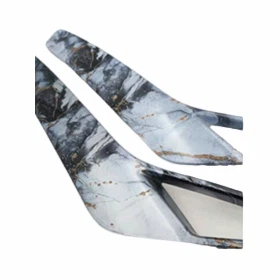
As a seasoned supplier of plastic part coatings, I understand the critical role that gloss measurement plays in ensuring the quality and aesthetic appeal of our products. Whether it's for Car Central Control Panel, Car Ambient Light Parts, or Automotive Interior Parts, accurate gloss measurement is essential for meeting customer expectations and industry standards.
Why Measure Gloss?
Gloss is a visual property that refers to the amount of light reflected from a surface in a specular (mirror-like) direction. It significantly affects the appearance of plastic parts, influencing their perceived quality, luxury, and durability. In automotive applications, for example, the gloss level of interior parts can enhance the overall aesthetic of the vehicle, creating a more upscale and refined look.
Moreover, consistent gloss measurement is crucial for quality control. It helps detect variations in the coating process, such as uneven application, contamination, or improper curing, which can lead to visible defects and customer dissatisfaction. By measuring gloss, we can ensure that each batch of coated plastic parts meets the specified requirements and maintains a high level of consistency.
Methods of Gloss Measurement
There are several methods available for measuring the gloss of coatings on plastic parts, each with its own advantages and limitations. The most common methods include:
1. Gloss Meters
Gloss meters are the most widely used instruments for measuring gloss. They work by shining a beam of light onto the surface of the coated plastic part at a specific angle and measuring the amount of light reflected in the specular direction. The gloss value is then expressed as a percentage of the reflection from a standard reference surface.
There are different types of gloss meters available, each designed for specific measurement angles. The most common angles are 20°, 60°, and 85°. The 20° angle is typically used for high-gloss surfaces, as it provides a more sensitive measurement of small variations in gloss. The 60° angle is suitable for a wide range of gloss levels and is often used as a general-purpose measurement angle. The 85° angle is used for low-gloss surfaces, as it provides a more accurate measurement of dull or matte finishes.
When using a gloss meter, it is important to follow the manufacturer's instructions carefully to ensure accurate and consistent measurements. This includes calibrating the meter regularly using a standard reference tile, cleaning the surface of the plastic part before measurement, and taking multiple measurements at different locations on the part to account for any variations in gloss.
2. Visual Comparison
Visual comparison is a simple and cost-effective method of assessing gloss. It involves comparing the coated plastic part to a set of standard samples with known gloss levels. This method is subjective and relies on the observer's ability to detect differences in gloss. However, it can be useful for quickly evaluating the overall appearance of the coating and identifying any obvious defects or variations.
To perform a visual comparison, it is important to use a standardized lighting environment and to view the samples from the same angle and distance. This helps to minimize the influence of lighting conditions and viewing perspective on the assessment.
3. Spectrophotometry
Spectrophotometry is a more advanced method of gloss measurement that provides detailed information about the spectral properties of the coating. It works by measuring the reflectance of light at different wavelengths across the visible spectrum. This allows for a more comprehensive analysis of the coating's appearance, including its color, gloss, and texture.
Spectrophotometers are more expensive and complex than gloss meters, but they offer several advantages. They can provide more accurate and precise measurements, especially for coatings with complex or variable gloss properties. They can also be used to measure other optical properties of the coating, such as haze and transparency.
Factors Affecting Gloss Measurement
Several factors can affect the accuracy and consistency of gloss measurement, including:
1. Surface Roughness
The surface roughness of the plastic part can have a significant impact on gloss measurement. Rough surfaces tend to scatter light in multiple directions, reducing the amount of specular reflection and resulting in a lower gloss value. Therefore, it is important to ensure that the surface of the plastic part is smooth and free of defects before measuring gloss.
2. Coating Thickness
The thickness of the coating can also affect gloss measurement. Thicker coatings generally have a higher gloss value than thinner coatings, as they provide more material for light to reflect off. Therefore, it is important to control the coating thickness during the application process to ensure consistent gloss measurement.
3. Lighting Conditions
The lighting conditions under which the gloss measurement is taken can also affect the results. Different lighting sources have different spectral properties, which can influence the amount and distribution of light reflected from the surface of the coated plastic part. Therefore, it is important to use a standardized lighting environment and to follow the manufacturer's instructions for gloss meter operation to minimize the influence of lighting conditions on the measurement.
4. Measurement Angle
As mentioned earlier, the measurement angle can have a significant impact on gloss measurement. Different angles are more sensitive to different gloss levels, so it is important to choose the appropriate measurement angle based on the gloss properties of the coating.
Best Practices for Gloss Measurement
To ensure accurate and consistent gloss measurement of coatings on plastic parts, the following best practices should be followed:


1. Calibrate the Gloss Meter Regularly
Calibration is essential for ensuring the accuracy and reliability of gloss meter measurements. It involves comparing the readings of the gloss meter to a standard reference tile with a known gloss value. The gloss meter should be calibrated at least once a day, or more frequently if it is being used extensively.
2. Clean the Surface of the Plastic Part
Before measuring gloss, it is important to clean the surface of the plastic part to remove any dirt, dust, or contaminants that could affect the measurement. This can be done using a clean, lint-free cloth and a suitable cleaning solution.
3. Take Multiple Measurements
To account for any variations in gloss across the surface of the plastic part, it is recommended to take multiple measurements at different locations. This helps to ensure that the average gloss value is representative of the entire part.
4. Record and Analyze the Results
It is important to record the gloss measurement results for each batch of coated plastic parts. This allows for easy tracking of the coating process and identification of any trends or issues. The results should be analyzed regularly to ensure that the gloss values are within the specified tolerance range.
Conclusion
Measuring the gloss of coatings on plastic parts is an essential part of the quality control process. It helps ensure that the coated parts meet the specified requirements, maintain a high level of consistency, and provide a visually appealing finish. By understanding the different methods of gloss measurement, the factors that can affect the results, and following best practices, we can accurately measure gloss and produce high-quality coated plastic parts.
If you are in the market for high-quality plastic part coatings and are interested in learning more about our products and services, we invite you to contact us for a procurement discussion. We are committed to providing our customers with the best possible solutions and look forward to working with you.
References
- ASTM D523 - Standard Test Method for Specular Gloss
- ISO 2813 - Paints and varnishes - Determination of specular gloss of non-metallic paint films at 20°, 60° and 85°
- HunterLab. (2023). Gloss Measurement Basics. Retrieved from [HunterLab Website]
- BYK-Gardner. (2023). Gloss Measurement Guide. Retrieved from [BYK-Gardner Website]