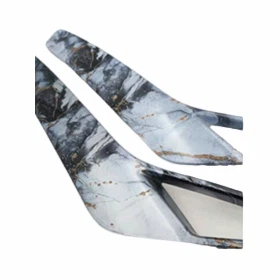
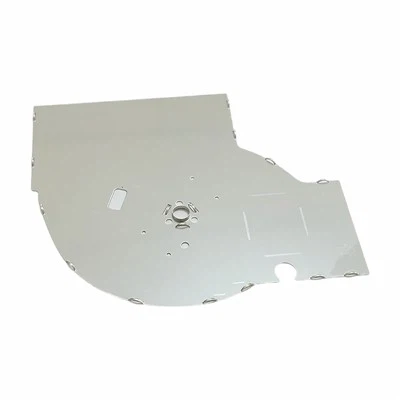
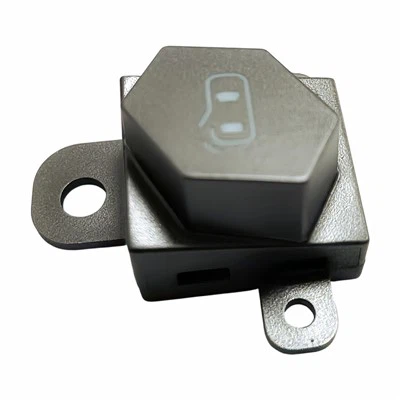
Hey there! I'm a supplier in the coating of plastic parts business. One of the most common questions I get from customers is how to control the coating thickness on plastic parts. It's a crucial aspect, as the right coating thickness can enhance the appearance, durability, and performance of plastic components. Whether it's for Car Ambient Light Parts, Car Central Control Panel, or Automotive Exterior Components, getting the coating thickness just right is key.
Understanding the Importance of Coating Thickness
First off, let's talk about why controlling coating thickness matters. Too thin a coating might not provide adequate protection against wear, chemicals, or UV rays. It could also result in an uneven finish, making the plastic part look shoddy. On the other hand, an overly thick coating can lead to issues like cracking, peeling, or a significant increase in weight. This is especially important in industries like automotive, where weight reduction is a constant goal.
Factors Affecting Coating Thickness
There are several factors that can influence the coating thickness on plastic parts. Let's break them down one by one.
1. Coating Material
The type of coating material you choose plays a huge role. Different coatings have different viscosities, solid contents, and drying times. For example, a high - solid coating might require a different application technique to achieve the desired thickness compared to a low - solid one. Some coatings are also formulated to be applied in multiple thin layers, while others can be applied in a single, thicker layer.
2. Application Method
The way you apply the coating is another critical factor. There are various application methods, such as spraying, dipping, and brushing. Spraying is one of the most common methods for coating plastic parts. When spraying, factors like the spray gun pressure, nozzle size, and spraying distance can all affect the coating thickness. A higher spray gun pressure might result in a thinner coating, while a larger nozzle size could deposit more coating material, leading to a thicker layer.
Dipping involves immersing the plastic part into a coating bath. The immersion time, the speed at which the part is withdrawn from the bath, and the viscosity of the coating all impact the coating thickness. Brushing is a more manual method and is often used for small or intricate parts. However, it can be challenging to achieve a uniform coating thickness compared to spraying or dipping.
3. Part Geometry
The shape and size of the plastic part also matter. Complex geometries with sharp edges, corners, or recesses can make it difficult to apply a uniform coating. Coating material tends to accumulate in corners and recesses, resulting in a thicker coating in those areas. To address this, you might need to adjust the application method or use masking techniques to ensure a more even coating.
4. Environmental Conditions
The temperature and humidity of the coating environment can affect the coating thickness. Higher temperatures can cause the coating to dry faster, which might result in a thinner coating. Conversely, high humidity can slow down the drying process, potentially leading to a thicker coating. It's important to control the environmental conditions as much as possible to achieve consistent coating thickness.
Techniques for Controlling Coating Thickness
Now that we've identified the factors affecting coating thickness, let's look at some techniques to control it.
1. Calibration and Testing
Before starting the coating process, it's essential to calibrate your coating equipment. This involves adjusting the spray gun pressure, nozzle settings, or dipping parameters to achieve the desired coating thickness. You can use test panels to measure the coating thickness and make adjustments as needed. There are several methods for measuring coating thickness, such as magnetic induction, eddy current, and ultrasonic testing. These non - destructive testing methods allow you to check the coating thickness without damaging the plastic part.


2. Multiple Thin Layers
Applying multiple thin layers of coating instead of one thick layer can help achieve a more uniform and consistent coating thickness. Each layer can be allowed to dry properly before applying the next one. This method also reduces the risk of issues like cracking and peeling. However, it does require more time and labor.
3. Masking
Masking is a useful technique, especially for parts with complex geometries. By using masking tapes or other masking materials, you can protect certain areas of the plastic part from getting coated or control the amount of coating applied to specific areas. This helps in achieving a more uniform coating thickness across the entire part.
4. Process Monitoring
Continuously monitoring the coating process is crucial. You can use sensors and automated systems to monitor factors like spray gun pressure, coating flow rate, and part temperature. This real - time data allows you to make immediate adjustments if the coating thickness starts to deviate from the desired range.
Quality Control
Quality control is an ongoing process when it comes to coating plastic parts. Regularly inspecting the coated parts for coating thickness, finish quality, and adhesion is essential. You can set up a quality control checklist that includes all the critical parameters for coating thickness and other quality aspects. Any parts that do not meet the quality standards should be re - worked or discarded.
Conclusion
Controlling the coating thickness on plastic parts is a complex but achievable task. By understanding the factors that affect coating thickness, using the right techniques, and implementing a robust quality control system, you can ensure that your plastic parts have a high - quality, uniform coating. Whether you're in the automotive industry, consumer goods, or any other sector that uses coated plastic parts, getting the coating thickness right can make a big difference in the performance and appearance of your products.
If you're in the market for high - quality coated plastic parts or need more information on coating thickness control, I'd love to have a chat with you. Feel free to reach out to discuss your specific requirements and how we can work together to achieve the best results.
References
- "Coating Technology Handbook" by John W. Sargent
- "Plastic Coating and Finishing" by Paul A. Troughton