


Precision plastic molds play a pivotal role in various industries, from electronics to automotive. As a leading precision plastic molds supplier, we understand the significance of wear resistance in these molds. Wear resistance directly impacts the lifespan, performance, and cost - effectiveness of the molds. In this blog, we will explore several effective ways to improve the wear resistance of precision plastic molds.
Material Selection
The choice of material is the foundation for enhancing the wear resistance of precision plastic molds. High - quality tool steels are often the first choice for mold manufacturing. For instance, D2 tool steel is well - known for its excellent wear resistance. It contains a high percentage of carbon and chromium, which form hard carbide particles in the steel matrix. These carbides act as barriers against abrasive wear, making D2 steel suitable for molds that are used to produce parts with complex shapes and high - volume production.
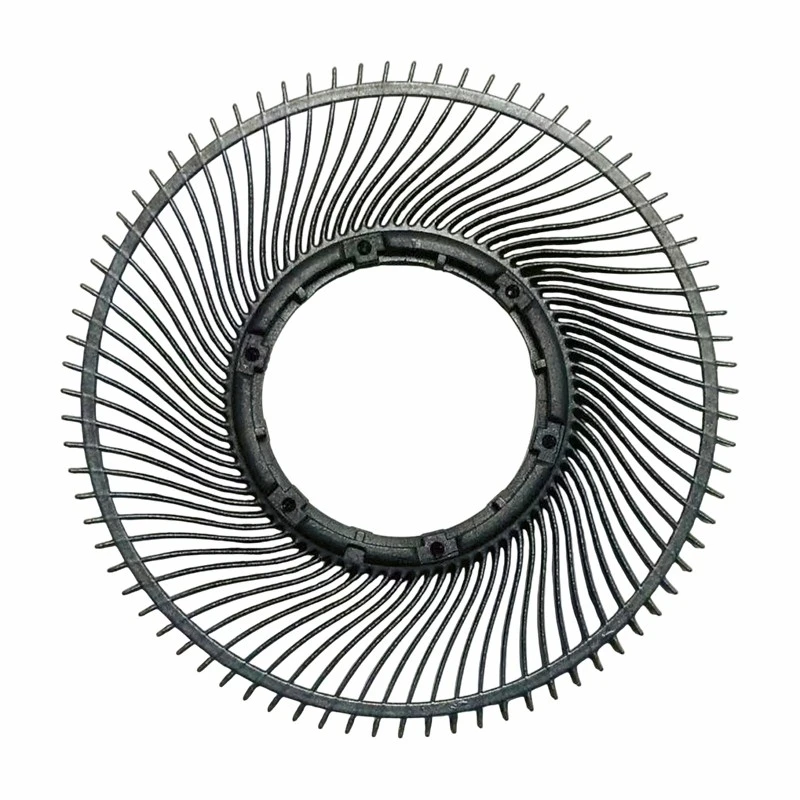
Another option is H13 tool steel. It has good thermal fatigue resistance in addition to wear resistance. This is particularly important for molds that are subjected to high - temperature and high - pressure injection molding processes. The ability to withstand thermal cycling without significant wear makes H13 steel a popular choice for molds used in the production of GPU Cooling Impeller and VR Glasses Mini Cooling Impeller.
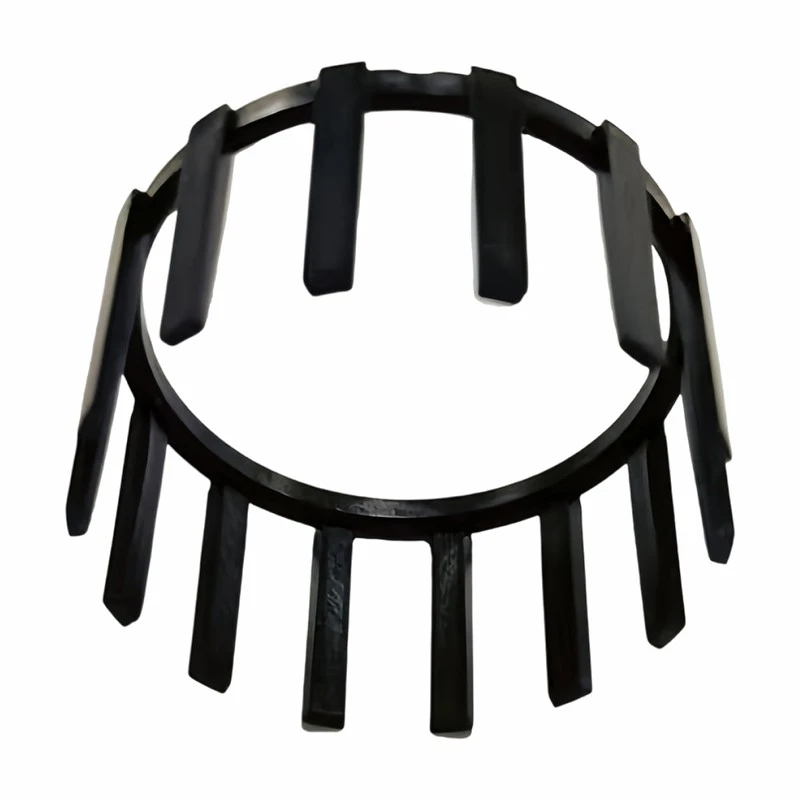
In some cases, powder metallurgy steels can also be considered. These steels have a more uniform distribution of carbides compared to conventional steels, resulting in improved wear resistance and mechanical properties. They are especially suitable for molds that require high precision and long service life, such as those used for Plastic Ball Bearing Cage production.
Heat Treatment
Proper heat treatment is crucial for optimizing the wear resistance of the mold material. Quenching and tempering are two common heat - treatment processes. During quenching, the mold is heated to a high temperature and then rapidly cooled. This process transforms the microstructure of the steel, increasing its hardness. However, quenched steel is often brittle, so tempering is necessary. Tempering involves reheating the quenched steel to a lower temperature and holding it for a certain period. This reduces the internal stress and brittleness while maintaining a high level of hardness.
For example, when using D2 tool steel, a typical heat - treatment process may involve quenching at around 1020 - 1040°C followed by tempering at 180 - 200°C for several hours. This heat - treatment combination can significantly improve the wear resistance of the mold.
Nitriding is another effective heat - treatment method. It involves diffusing nitrogen into the surface of the mold to form a hard nitride layer. This layer provides excellent wear resistance, corrosion resistance, and low friction coefficient. Gas nitriding, plasma nitriding, and salt - bath nitriding are common nitriding techniques. Plasma nitriding, in particular, offers better control over the nitriding process and can produce a more uniform and high - quality nitride layer.
Surface Coating
Applying a surface coating is an efficient way to enhance the wear resistance of precision plastic molds. There are several types of coatings available, each with its own advantages.
Diamond - like carbon (DLC) coatings are known for their high hardness, low friction coefficient, and excellent chemical stability. DLC coatings can significantly reduce the wear between the mold surface and the plastic material during the injection - molding process. They are also resistant to corrosion and adhesion, which helps to maintain the surface quality of the mold.
Titanium nitride (TiN) coatings are one of the most widely used coatings in the mold industry. They have a golden - yellow color and offer good wear resistance and oxidation resistance. TiN coatings can be easily applied using physical vapor deposition (PVD) techniques. The coating thickness can be controlled precisely, and it adheres well to the mold surface.
Chromium nitride (CrN) coatings are another option. They have better corrosion resistance than TiN coatings and are suitable for molds used in environments with high humidity or corrosive plastics. CrN coatings also provide good wear resistance and can extend the service life of the mold.
Design Optimization
The design of the precision plastic mold also has a significant impact on its wear resistance. A well - designed mold can reduce the stress concentration and uneven wear on the mold surface.
Firstly, the gating system design is crucial. A proper gating system can ensure a smooth flow of the plastic material into the mold cavity, reducing the impact and friction on the mold surface. For example, using a fan - gate or a submarine - gate design can help to distribute the plastic flow more evenly, minimizing the wear at the gate area.
Secondly, the mold cavity design should avoid sharp corners and edges. Sharp corners can cause stress concentration, leading to premature wear and cracking. Rounding the corners and edges can reduce the stress and improve the wear resistance of the mold.
In addition, the ejection system design should be carefully considered. A smooth and reliable ejection system can prevent the plastic part from sticking to the mold surface during ejection, reducing the wear caused by the pulling force.
Maintenance and Lubrication
Regular maintenance is essential for maintaining the wear resistance of precision plastic molds. After each production cycle, the mold should be cleaned thoroughly to remove any plastic residues, debris, or contaminants. Using appropriate cleaning agents and tools can ensure a clean mold surface.
Lubrication is also an important aspect. Applying a suitable lubricant to the mold surface can reduce the friction between the mold and the plastic material, thereby reducing wear. There are different types of lubricants available, such as silicone - based lubricants and fluoropolymer - based lubricants. The choice of lubricant depends on the type of plastic material and the molding process.
Quality Control and Monitoring
Implementing a strict quality - control system is necessary to ensure the wear resistance of precision plastic molds. During the manufacturing process, non - destructive testing methods, such as ultrasonic testing and magnetic - particle testing, can be used to detect any internal defects in the mold material. After the mold is completed, surface roughness measurement, hardness testing, and coating thickness measurement can be carried out to ensure that the mold meets the required quality standards.
Real - time monitoring of the mold during the production process can also help to detect any signs of wear or damage early. For example, using sensors to monitor the temperature, pressure, and vibration of the mold can provide valuable information about its working condition. If any abnormal values are detected, appropriate measures can be taken immediately to prevent further wear and damage.
Conclusion
Improving the wear resistance of precision plastic molds is a comprehensive task that involves material selection, heat treatment, surface coating, design optimization, maintenance, and quality control. As a precision plastic molds supplier, we are committed to providing high - quality molds with excellent wear resistance. By applying the methods mentioned above, we can ensure that our molds have a long service life, high performance, and cost - effectiveness.
If you are interested in our precision plastic molds or have any questions about improving the wear resistance of molds, please feel free to contact us for procurement and further discussion. We look forward to working with you to meet your specific needs.
References
- Kalpakjian, S., & Schmid, S. R. (2014). Manufacturing Engineering and Technology. Pearson.
- Tool Steel Handbook. (2019). Association for Iron & Steel Technology.
- Bhushan, B. (2013). Handbook of Micro - and Nanotribology. CRC Press.




