Hey there, car enthusiasts! As a supplier of Car Ambient Light Parts, I often get asked some pretty interesting questions. One that's been popping up a lot lately is, "Can car ambient light parts be installed in the engine compartment (safely)?" Well, let's dig into this topic and find out.
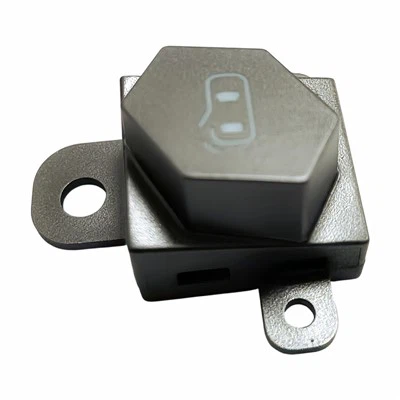
First off, let's talk about what car ambient light parts are. These are those cool lights that can add a touch of style and personality to your car's interior. You can find them in all sorts of places, like the Car Central Control Panel, Car Door Parts, and other Automotive Interior Parts. They come in different colors and styles, and they're a great way to make your car stand out.
Now, the engine compartment is a whole different ballgame. It's a place where things get hot, really hot. The engine generates a ton of heat, and there are also all sorts of moving parts, fluids, and electrical systems. So, the big question is, can we safely install ambient light parts in this environment?
The Challenges of Installing Ambient Lights in the Engine Compartment
One of the main challenges is heat. Engine compartments can reach extremely high temperatures, especially when the engine is running. Most ambient light parts are designed for the relatively cool and stable environment of the car's interior. Exposing them to the high heat in the engine compartment can cause a lot of problems. For example, the plastic components of the lights might melt or warp, which can not only damage the lights but also pose a safety risk.
Another challenge is the presence of fluids. In the engine compartment, there are things like oil, coolant, and fuel. If these fluids come into contact with the ambient light parts, they can cause corrosion or short circuits. And let's not forget about the moving parts. The engine has a lot of moving components, like belts and pulleys. If the ambient light parts are installed in the wrong place, they could get caught in these moving parts, which could lead to damage to the lights and potentially to the engine itself.
Safety Considerations
Safety is always the top priority when it comes to any modification to your car. If you're thinking about installing ambient light parts in the engine compartment, you need to make sure that you're not creating any new safety hazards. For example, the lights should be properly insulated to prevent electrical shocks. They should also be securely mounted so that they don't come loose and cause problems while the car is in motion.
It's also important to consider the impact on the car's warranty. Installing non - factory approved parts in the engine compartment could void your car's warranty. So, before you go ahead with the installation, it's a good idea to check with your car manufacturer or dealership to see what their policy is.
Possible Solutions
If you're really set on having ambient lights in your engine compartment, there are some possible solutions. First, you need to choose lights that are specifically designed for high - heat environments. There are some manufacturers that make lights with heat - resistant materials. These lights are better able to withstand the high temperatures in the engine compartment.
Another solution is to install the lights in a location where they're less likely to be affected by heat, fluids, and moving parts. For example, you could install them on the inner fender or on a non - moving bracket. This way, you can still have the ambient lights without putting them at too much risk.
You also need to make sure that the wiring is properly installed. Use high - quality, heat - resistant wiring, and make sure that all the connections are secure. It's a good idea to have a professional electrician or mechanic do the installation to ensure that everything is done correctly.
The Legal Aspect
In addition to the safety and practical considerations, you also need to think about the legal aspect. In some areas, there are laws and regulations regarding car modifications. Installing ambient lights in the engine compartment might be considered a modification, and you need to make sure that it complies with the local laws. Otherwise, you could face fines or other penalties.
Benefits of Installing Ambient Lights in the Engine Compartment
Despite all the challenges, there are some benefits to having ambient lights in the engine compartment. For one thing, it can make your engine look really cool. If you're into car shows or just like to show off your car, having ambient lights in the engine compartment can be a great way to make it more visually appealing. It can also make it easier to see what's going on in the engine compartment when you're doing maintenance or repairs.
Our Offer as a Car Ambient Light Parts Supplier
As a supplier of Car Ambient Light Parts, we understand these challenges and are here to help. We can provide you with information on heat - resistant lights that are more suitable for the engine compartment. Our team of experts can also give you advice on the best installation methods to ensure safety and longevity.
If you're interested in purchasing ambient light parts for your engine compartment or any other part of your car, we'd love to hear from you. We have a wide range of products to choose from, and we can work with you to find the perfect solution for your needs. Whether you're looking for a simple white light or a multi - colored setup, we've got you covered.


Conclusion
So, can car ambient light parts be installed in the engine compartment safely? It's possible, but it's not without its challenges. You need to carefully consider the heat, fluids, moving parts, safety, legal aspects, and installation methods. If you take the right precautions and choose the right products, you can have ambient lights in your engine compartment and add a unique touch to your car.
If you have any questions or are interested in purchasing our Car Ambient Light Parts, don't hesitate to reach out. We're here to help you make your car dreams a reality.
References
- Automotive engineering textbooks on engine compartment design and safety.
- Manufacturer guidelines for car ambient light parts and engine components.
- Local traffic and vehicle modification laws.