


Hey there, fellow car enthusiasts! I'm a supplier of Car Rearview Mirror Pivot, and today, I'm gonna take you on a deep - dive into how a car rearview mirror pivot connects to the mirror.
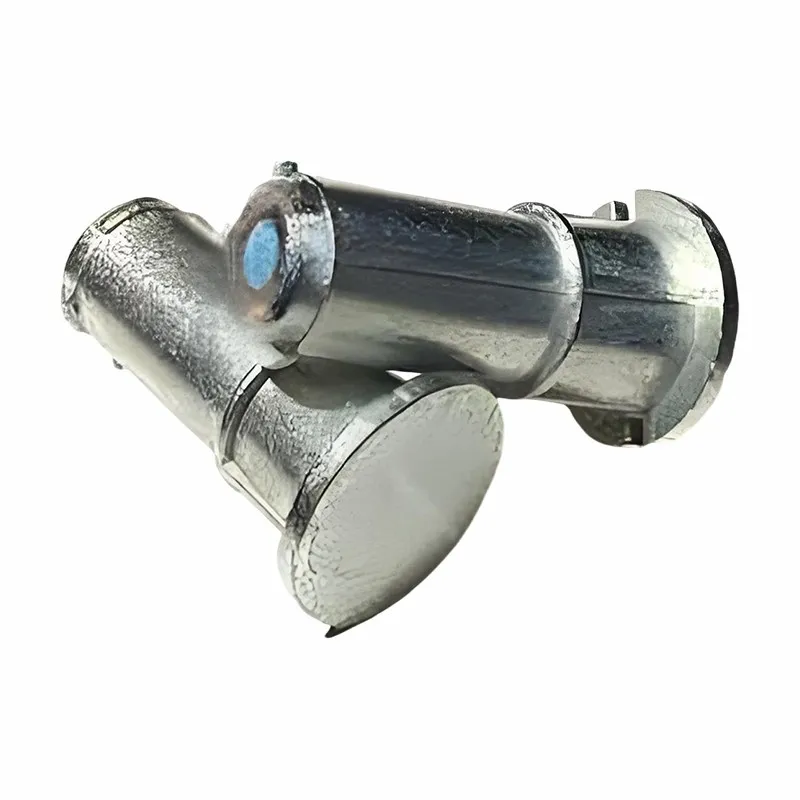
First off, let's understand what a rearview mirror pivot is. It's that little but super - important part that allows your rearview mirror to move. You know how you can adjust your mirror to get the perfect view of what's behind you? Well, that's all thanks to the pivot.
The Basics of the Connection
The connection between the car rearview mirror pivot and the mirror itself is all about functionality and stability. The pivot needs to hold the mirror securely in place so that it doesn't wobble while you're driving, but at the same time, it has to allow for smooth adjustments.
There are generally two main types of connections: a fixed - angle connection and an adjustable connection.
Fixed - Angle Connection
In some older cars or in certain specialized mirrors, you'll find a fixed - angle connection. This is a pretty straightforward setup. The pivot is attached to the mirror housing in such a way that the mirror can't be adjusted. It's set at a specific angle during the manufacturing process. This type of connection is simple and cheap to produce. The pivot is usually just bolted or welded to the mirror frame.
For example, in some basic utility vehicles, they don't really need the fancy adjustable mirrors. They just want a mirror that gives a general view of the rear, and a fixed - angle connection does the job. The pivot in this case is more like a structural support, making sure the mirror stays in place no matter what kind of bumps or vibrations the vehicle goes through.
Adjustable Connection
Now, most modern cars come with adjustable rearview mirrors, and this is where things get a bit more interesting. The adjustable connection is designed to give the driver the ability to fine - tune the mirror's position. There are a few different ways this can be achieved.
One common method is using a ball - and - socket joint. The pivot has a ball - shaped end, and the mirror housing has a socket that the ball fits into. This allows the mirror to move in multiple directions. It's like a human shoulder joint, allowing for a wide range of motion. The ball - and - socket joint is held in place by a set of springs and clips. These springs provide the right amount of tension so that the mirror stays in place once you've adjusted it, but you can still move it when you need to.
Another way is through a gear - based system. In this setup, the pivot has a series of gears, and the mirror housing has a corresponding set of gears. When you turn a knob or use an electric motor to adjust the mirror, the gears mesh together and move the mirror to the desired position. This type of connection is more precise and is often used in high - end cars where you need very accurate mirror adjustments.
The Assembly Process
Now, let's talk about how the connection is made during the assembly process.
When it comes to mass - producing car rearview mirrors, manufacturers have well - defined steps. First, the pivot is prepared. This might involve machining it to the right shape and size, adding any necessary coatings for corrosion resistance, and making sure all the moving parts are lubricated.
For a ball - and - socket joint connection, the ball on the pivot is carefully inserted into the socket in the mirror housing. Then, the springs and clips are added to hold the joint together. Workers need to make sure that the joint is tight enough to prevent any play but still allows for smooth movement.
In the case of a gear - based system, the gears on the pivot and the mirror housing are carefully aligned. Then, they are secured in place using screws or other fasteners. Electrical connections are also made if the mirror is power - adjustable. This involves connecting wires to the motor that controls the gear movement.
The Importance of a Good Connection
A proper connection between the rearview mirror pivot and the mirror is crucial for several reasons.
Safety is the number one concern. A loose or faulty connection can cause the mirror to vibrate or move out of position while you're driving. This can be extremely distracting and can prevent you from getting an accurate view of what's behind you. In a split - second, this could lead to an accident.

Comfort is also important. When you're on a long drive, you might want to adjust your mirror a few times to get the best view. If the connection is smooth and easy to use, you can make those adjustments without any hassle. On the other hand, a stiff or poorly - connected pivot can make it a real pain to adjust the mirror.
Finally, durability is key. A well - connected pivot and mirror can withstand the daily wear and tear of driving. It can handle the constant vibrations, temperature changes, and exposure to the elements. This means that your mirror will last longer and you won't have to replace it as often.
Our Role as a Supplier
As a Car Rearview Mirror Pivot supplier, we play a crucial role in ensuring that these connections are of the highest quality. We use the latest manufacturing techniques and materials to produce pivots that are strong, reliable, and easy to use.
We work closely with car manufacturers to understand their specific requirements. Whether they need a simple fixed - angle pivot or a complex adjustable one, we can customize our products to meet their needs. We also conduct rigorous quality control tests to make sure that every pivot we produce meets the strictest standards.
Let's Connect
If you're in the automotive industry and are looking for a reliable supplier of car rearview mirror pivots, we'd love to hear from you. Whether you're a large car manufacturer or a small parts distributor, we have the expertise and the products to meet your needs. Get in touch with us to start a conversation about your requirements and let's see how we can work together to make your vehicles even better.
References
- Automotive Engineering Handbook
- Car Manufacturing Processes: A Practical Guide
- Journal of Automotive Technology and Design




