


Can I paint metal parts without sanding? That's a question I get asked a lot as a supplier of painting of metal parts. And the short answer is yes, you can. But there's a lot more to it than that, so let's dive in and explore the ins and outs of painting metal parts without sanding.
First off, why would you want to paint metal parts without sanding? Well, sanding can be a time - consuming and labor - intensive process. It involves getting out the sandpaper, spending hours smoothing the surface, and dealing with all the dust that comes with it. If you're working on a large batch of metal parts, like we often do here at our painting shop, sanding every single piece can really slow down production. Plus, if the metal surface is already in pretty good condition, sanding might not be strictly necessary.
But here's the thing: sanding serves an important purpose. When you sand a metal surface, you're creating a rough texture. This rough texture gives the paint something to grip onto. Without that roughness, the paint might not adhere as well, which can lead to issues like peeling, chipping, or flaking over time.
So, how can you paint metal parts without sanding and still get good results? One option is to use a metal primer that's designed for use on smooth surfaces. These primers are formulated to bond well with metal without the need for a pre - sanded surface. They usually contain special additives that help them stick to the metal and provide a good base for the topcoat of paint.
Another approach is to clean the metal surface thoroughly. Dirt, grease, and oil can prevent paint from adhering properly, so it's crucial to get the surface as clean as possible. You can use a degreaser or a metal cleaner to remove any contaminants. After cleaning, make sure to dry the parts completely before applying the paint.
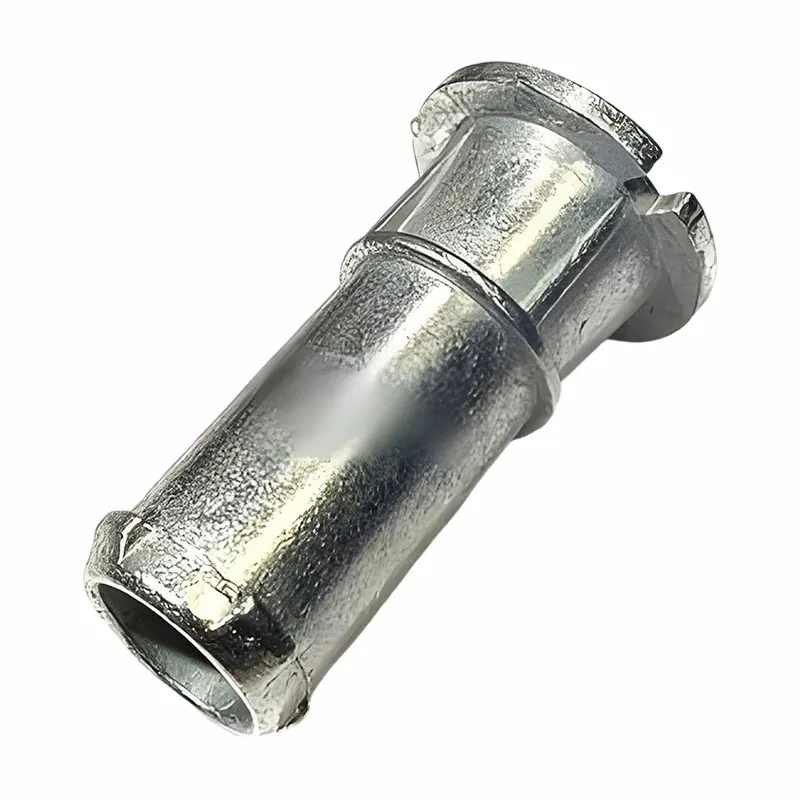
We've had some great success with these methods in our business. For example, we recently painted a batch of Car Rearview Mirror Pivot. These parts were made of high - quality metal with a relatively smooth finish. Instead of sanding them, we first cleaned them with a strong degreaser to remove any fingerprints and manufacturing residues. Then, we applied a high - adhesion metal primer. Once the primer was dry, we added the topcoat of paint. The result was a durable and attractive finish that looked great and held up well in testing.
However, it's important to note that not all metal parts are suitable for non - sanding painting. If the metal has rust, heavy corrosion, or a very uneven surface, sanding might still be necessary. Rust can prevent the paint from adhering and can continue to spread under the paint if not properly treated. In these cases, it's best to sand away the rust and any loose paint before proceeding with the painting process.

We also have to consider the type of paint we're using. Some paints are more forgiving than others when it comes to non - sanded surfaces. For instance, epoxy - based paints tend to have better adhesion properties compared to some traditional enamel paints. So, choosing the right paint for the job is crucial.
In our experience, communication with the customer is key. We always ask our clients about the intended use of the painted metal parts. If the parts are going to be exposed to harsh environments, like high humidity or extreme temperatures, we might recommend a more robust painting process that could involve sanding. But if the parts are for indoor use or a less demanding application, a non - sanding approach might be perfectly fine.
Another factor to keep in mind is the long - term durability of the paint job. While painting without sanding can work well in the short term, over time, the paint might be more prone to wear and tear compared to a sanded and painted surface. This is because the lack of surface roughness means there's less mechanical interlocking between the paint and the metal.
We've also experimented with different application techniques. Spraying the paint often gives a more even and professional - looking finish compared to brushing. When spraying, the paint can better conform to the metal surface, whether it's sanded or not. And with modern spray guns and equipment, it's relatively easy to achieve a high - quality finish.
If you're considering painting metal parts without sanding for your project, I'd recommend starting with a small test batch. This way, you can see how the paint adheres and how it holds up over time. You can also compare the results of non - sanded and sanded parts side by side to make an informed decision.
In conclusion, painting metal parts without sanding is possible, but it requires careful consideration of the metal surface, the type of paint, and the intended use of the parts. At our painting of metal parts business, we've found that a combination of proper cleaning, the right primer, and high - quality paint can yield great results without the need for sanding in many cases.
If you're in the market for painted metal parts, whether it's for automotive components like the Car Rearview Mirror Pivot or for other industrial applications, we'd love to talk to you. We have the expertise and the experience to provide you with high - quality painted metal parts that meet your specific requirements. Don't hesitate to reach out and start a conversation about your project.
References:
- "The Basics of Metal Painting", Metal Finishing Handbook
- "Adhesion of Paints on Metal Surfaces", Journal of Coatings Technology and Research




