Hey there! If you're in the market for painting metal parts with a matte finish, you've come to the right place. I'm a supplier in the painting of metal parts game, and I've got some solid tips and tricks to share with you. So, let's dive right in!
Why Choose a Matte Finish?
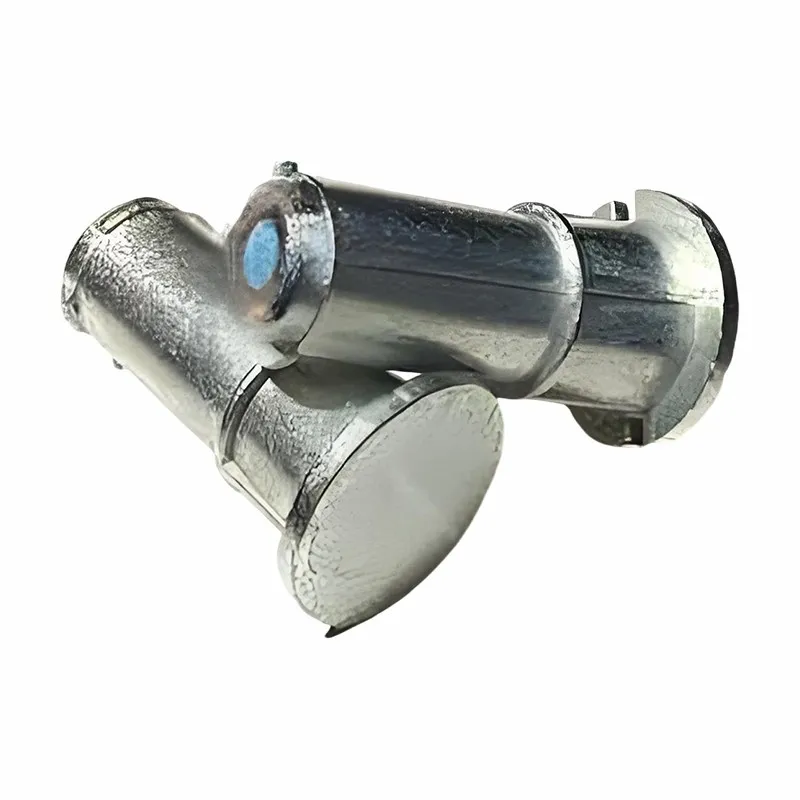
First off, you might be wondering why a matte finish. Well, there are plenty of reasons. Matte finishes give a sleek, modern look that's super popular these days. They're also great at hiding scratches and fingerprints, which is a huge plus, especially for parts that are going to be handled a lot. Plus, a matte finish can reduce glare, making it a top choice for things like Car Rearview Mirror Pivot where glare can be a real issue.
Preparing the Metal Parts
Before you even think about painting, you've got to prep the metal parts. This is a crucial step, and skipping it can lead to a paint job that just doesn't last.
Cleaning
The first thing you need to do is clean the metal parts thoroughly. Grease, oil, dirt, and rust can all prevent the paint from adhering properly. You can use a degreaser to get rid of any grease and oil. Just soak a cloth in the degreaser and wipe down the parts. For rust, you can use a wire brush or sandpaper to remove it. Make sure you get into all the nooks and crannies.
Sanding
After cleaning, it's time to sand the parts. Sanding helps to create a rough surface for the paint to stick to. You can start with a coarse-grit sandpaper, around 80 to 120 grit, to remove any stubborn rust or rough spots. Then, switch to a finer-grit sandpaper, like 220 to 320 grit, to smooth out the surface. Sand in one direction to avoid creating scratches that might show through the paint.
Priming
Once the parts are clean and sanded, it's time to apply a primer. Primer helps to improve the adhesion of the paint and provides an extra layer of protection against rust. There are different types of primers available, so make sure you choose one that's suitable for metal. You can apply the primer using a spray gun or a brush. If you're using a spray gun, hold it about 6 to 8 inches away from the part and spray in a steady, even motion. Let the primer dry completely before moving on to the next step.
Choosing the Right Paint
Now that the parts are prepped, it's time to choose the right paint. When it comes to painting metal parts with a matte finish, you've got a few options.
Acrylic Paint
Acrylic paint is a popular choice for painting metal parts. It's easy to use, dries quickly, and is available in a wide range of colors. Acrylic paint also has good adhesion to metal and is resistant to chipping and fading. You can find acrylic paint in both spray cans and liquid form. If you're using a spray can, make sure you shake it well before use.
Enamel Paint
Enamel paint is another option. It's more durable than acrylic paint and provides a hard, glossy finish. However, enamel paint takes longer to dry and can be more difficult to work with. If you want a matte finish with enamel paint, you can use a matte clear coat over the enamel paint to achieve the desired look.
Epoxy Paint
Epoxy paint is a high-performance paint that's great for metal parts that are going to be exposed to harsh conditions. It's very durable, resistant to chemicals, and provides excellent adhesion. Epoxy paint also comes in a matte finish, so you don't have to worry about applying a clear coat.
Applying the Paint
Once you've chosen the right paint, it's time to apply it. Here are some tips to help you get a smooth, even matte finish.
Spray Painting
Spray painting is the most common method for painting metal parts. It provides a smooth, even finish and is relatively easy to do. When spray painting, make sure you work in a well-ventilated area. You can use a paint booth or set up a makeshift spray area outside. Hold the spray gun about 6 to 8 inches away from the part and spray in a steady, even motion. Start at one end of the part and work your way to the other end. Apply multiple thin coats of paint, letting each coat dry completely before applying the next one. This will help to prevent drips and runs.
Brush Painting
If you don't have access to a spray gun, you can also paint the parts with a brush. However, brush painting can be a bit more challenging, especially if you want a smooth, even finish. When brush painting, choose a high-quality brush with soft bristles. Dip the brush into the paint and remove any excess by wiping it on the edge of the paint container. Start at one end of the part and paint in a smooth, even motion. Try to avoid going over the same area too many times, as this can cause the paint to build up and create a rough surface.
Achieving the Matte Finish
To achieve a true matte finish, you might need to do a little extra work.
Using a Matte Clear Coat
If you're using a paint that doesn't have a matte finish, you can apply a matte clear coat over the paint. A matte clear coat will give the paint a dull, non-reflective finish. Make sure you choose a clear coat that's compatible with the paint you're using. Apply the clear coat in the same way as the paint, using a spray gun or a brush. Let the clear coat dry completely before handling the parts.
Sanding the Finish
Another way to achieve a matte finish is to sand the painted surface lightly with a fine-grit sandpaper, like 600 to 1000 grit. Sanding the finish will dull the shine and create a matte effect. Be careful not to sand too hard, as this can damage the paint. Just sand gently in a circular motion until you achieve the desired matte finish.
Curing and Finishing
After you've applied the paint and achieved the matte finish, it's important to let the parts cure properly. Curing allows the paint to harden and fully bond to the metal. The curing time can vary depending on the type of paint you used, but it usually takes a few days to a week. During the curing process, make sure you keep the parts in a dry, cool place away from direct sunlight and moisture.
Once the parts are fully cured, you can give them a final inspection. Check for any imperfections, like drips, runs, or uneven areas. If you find any, you can sand them down and touch up the paint as needed.
Conclusion
Painting metal parts with a matte finish might seem like a daunting task, but with the right preparation, paint, and techniques, you can achieve a professional-looking result. As a supplier in the painting of metal parts, I've seen firsthand the difference a good paint job can make. Whether you're painting Car Rearview Mirror Pivot or other metal parts, following these steps will help you get a smooth, even matte finish that will last.
If you're interested in our painting services or have any questions about painting metal parts, don't hesitate to reach out. We're here to help you with all your metal part painting needs. Contact us today to start a conversation about your project and let's work together to get the best results.
References
- "Painting Metal: A Comprehensive Guide" by DIY Metalworking Magazine
- "The Art of Spray Painting" by Paint Pro Guides
- "Matte Finish Techniques for Metal" by Industrial Painting Journal