


Hey there! As a supplier of automotive connectors, I often get asked about the temperature range these connectors can handle. It's a super important topic because the performance and lifespan of automotive connectors are closely tied to the temperatures they're exposed to. So, let's dive right in and explore what the temperature range for automotive connectors is all about.
First off, we need to understand why temperature matters so much for automotive connectors. In a vehicle, connectors are used in various systems, like the engine, electrical, and control systems. These systems generate heat, and the connectors have to work properly in those hot environments. On the other hand, vehicles also operate in cold climates, so the connectors need to withstand low temperatures as well.
The temperature range for automotive connectors can vary quite a bit depending on the type of connector and its intended use. Generally speaking, most automotive connectors are designed to work within a range of -40°C to 125°C. This wide range allows them to function in different weather conditions and under various operating circumstances.
For connectors used in the engine compartment, they usually need to handle higher temperatures. The engine generates a lot of heat, and the connectors in this area can be exposed to temperatures up to 150°C or even higher in some cases. These connectors are made with special materials that can resist heat and prevent damage. For example, they might use high - temperature plastics or metals with good thermal properties.
On the other hand, connectors used in the interior of the vehicle, such as those for the audio system or dashboard controls, typically operate in a more moderate temperature range. They usually don't have to deal with extreme heat, and a range of -20°C to 85°C is often sufficient.
Now, let's talk about the impact of temperature on the performance of automotive connectors. At high temperatures, the materials used in the connectors can expand. This expansion can cause the connectors to loosen, which may lead to poor electrical contact. Poor contact can result in power loss, signal interference, and even system failures. For instance, if a connector in the engine control system becomes loose due to high - temperature expansion, it can cause the engine to misfire or run inefficiently.
At low temperatures, the materials can contract. This contraction can make the connectors brittle, increasing the risk of cracking. Cracks in the connectors can allow moisture and dirt to enter, which can corrode the electrical contacts and also lead to performance issues.
To ensure that our automotive connectors can perform well within the appropriate temperature range, we use advanced manufacturing techniques and high - quality materials. We test our connectors rigorously in temperature - controlled environments to make sure they meet the required standards.
When it comes to specific types of connectors, let's take a look at some examples. The EV Busbar Connector is an important component in electric vehicles. These connectors need to handle high currents and are often exposed to significant heat due to the power flow. They are designed to operate within a temperature range that can withstand the heat generated during charging and discharging of the vehicle's battery.
Another example is the Silicon Steel Sheet Insulator. This insulator is used to separate electrical components and prevent short - circuits. It needs to maintain its insulating properties over a wide temperature range. Our insulators are made with materials that can keep their performance stable, whether it's hot or cold.
The Cooling Fan Housing also plays a role in temperature management. It protects the cooling fan and its connectors from the heat in the engine compartment. The housing is designed to be heat - resistant and can help keep the connectors at a more stable temperature.
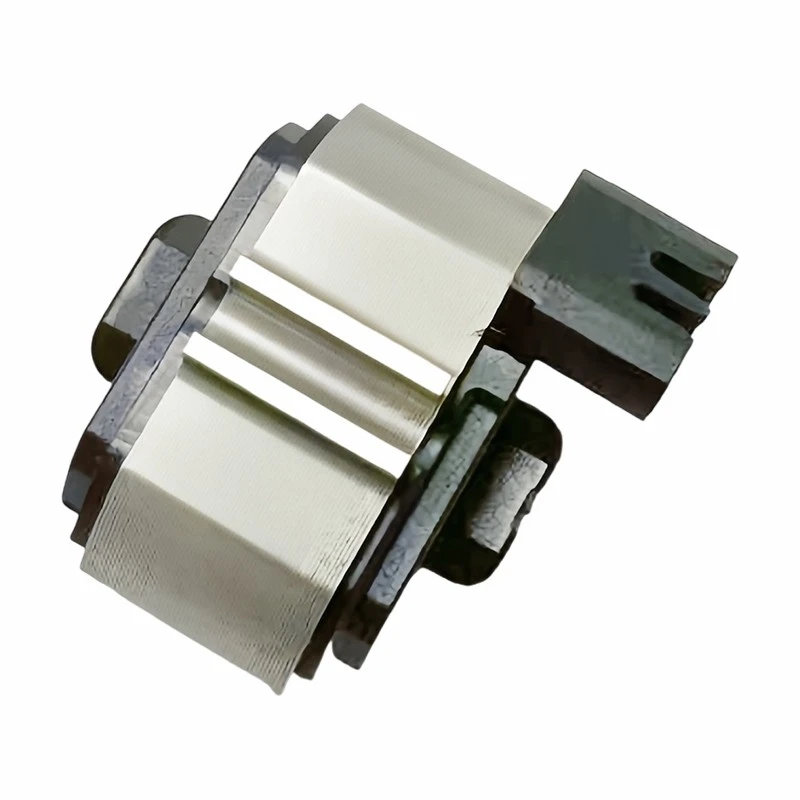

If you're in the market for automotive connectors, it's crucial to choose connectors that are suitable for the temperature conditions in your application. You don't want to end up with connectors that fail due to temperature - related issues. That's where we come in. As an automotive connector supplier, we have a wide range of connectors that can meet different temperature requirements. We can provide you with detailed information about the temperature range of each product and help you select the right connectors for your needs.
Whether you're working on a new automotive project or need to replace existing connectors, we're here to assist you. Our team of experts can answer all your questions and guide you through the selection process. If you're interested in learning more about our products or have any specific requirements, don't hesitate to reach out to us. We're looking forward to having a discussion with you and potentially working together on your automotive connector needs.
References:
- Automotive Electrical and Electronic Systems textbooks
- Industry standards and guidelines for automotive connectors
So, if you're ready to take the next step in your automotive connector procurement, let's start the conversation!




