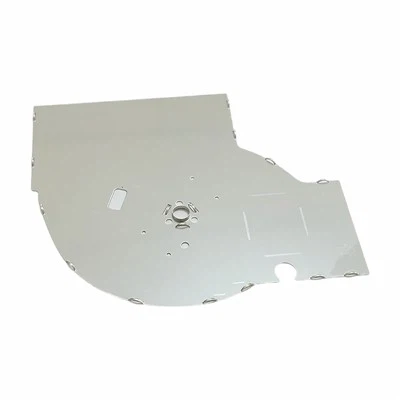
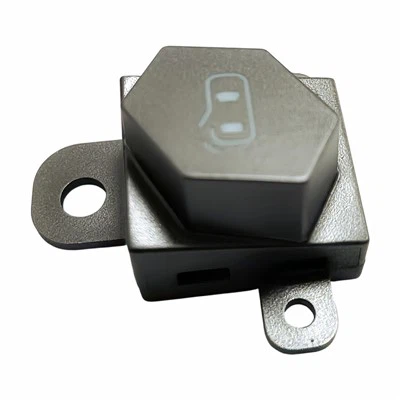
As a leading supplier of Car Central Control Panel, I've witnessed firsthand the transformative power of a new central control panel in a vehicle. It's not just about upgrading the look; it's about enhancing functionality, safety, and the overall driving experience. In this blog post, I'll walk you through the step-by-step process of installing a new car central control panel, sharing insights and tips along the way.


Step 1: Preparation
Before you start the installation process, it's crucial to gather all the necessary tools and materials. Here's a list of items you'll need:
- New car central control panel
- Screwdriver set (Phillips and flathead)
- Trim removal tools
- Electrical tape
- Wire connectors
- Multimeter (for testing electrical connections)
It's also a good idea to disconnect the car battery to prevent any electrical shocks or short circuits during the installation. Locate the negative terminal of the battery and use a wrench to loosen the nut. Once the nut is loose, carefully remove the negative cable from the terminal and secure it away from the battery.
Step 2: Remove the Old Central Control Panel
The first step in installing a new central control panel is to remove the old one. Start by using the trim removal tools to gently pry off any trim pieces or bezels around the control panel. Be careful not to damage the trim or the control panel itself. Once the trim pieces are removed, you'll be able to see the screws that hold the control panel in place.
Use the screwdriver set to remove the screws. Depending on the make and model of your vehicle, there may be several screws located around the perimeter of the control panel. Keep the screws in a safe place, as you'll need them later to install the new control panel.
After removing the screws, carefully pull the old control panel out of the dashboard. You may need to disconnect some electrical connectors or cables that are attached to the back of the control panel. Use the trim removal tools to gently release the connectors and unplug them. Take note of the location and orientation of each connector, as you'll need to reconnect them to the new control panel later.
Step 3: Prepare the New Central Control Panel
Once you've removed the old control panel, it's time to prepare the new one for installation. Start by inspecting the new control panel for any damage or defects. Check the display screen, buttons, and other components to make sure they're in good working condition.
Next, you'll need to transfer any necessary components or accessories from the old control panel to the new one. This may include the radio antenna, GPS antenna, or other cables. Use the screwdriver set to remove any screws or clips that hold the components in place, and carefully transfer them to the new control panel.
Before connecting the electrical connectors, it's a good idea to test the new control panel to make sure it's working properly. Use the multimeter to check the voltage and continuity of the electrical connections. If you're not familiar with using a multimeter, it's recommended that you consult a professional or refer to the manufacturer's instructions.
Step 4: Connect the Electrical Connectors
Once you've prepared the new control panel, it's time to connect the electrical connectors. Start by matching the connectors on the new control panel with the connectors on the vehicle's wiring harness. Make sure the connectors are properly aligned and securely plugged in.
Use the wire connectors to connect any additional cables or wires that are required for the new control panel to function properly. This may include the power cable, ground cable, or other cables that are specific to the make and model of your vehicle. Make sure the wire connectors are tightly secured and insulated with electrical tape to prevent any electrical shorts or problems.
After connecting the electrical connectors, double-check all the connections to make sure they're secure. Use the multimeter to test the voltage and continuity of the electrical connections again to make sure everything is working properly.
Step 5: Install the New Central Control Panel
Once you've connected the electrical connectors, it's time to install the new central control panel in the dashboard. Carefully insert the new control panel into the dashboard opening, making sure it's properly aligned with the mounting holes. Use the screws that you removed earlier to secure the control panel in place. Tighten the screws firmly, but be careful not to overtighten them, as this could damage the control panel or the dashboard.
After installing the control panel, reattach any trim pieces or bezels that you removed earlier. Use the trim removal tools to gently press the trim pieces into place, making sure they're properly aligned and secure.
Step 6: Test the New Central Control Panel
Once you've installed the new control panel, it's time to test it to make sure it's working properly. Reconnect the car battery by attaching the negative cable to the negative terminal and tightening the nut with a wrench. Start the vehicle and turn on the ignition.
Test the various functions of the new control panel, including the radio, GPS, climate control, and other features. Make sure all the buttons and controls are working properly, and that the display screen is clear and easy to read. If you encounter any problems or issues, refer to the manufacturer's instructions or consult a professional for assistance.
Step 7: Final Checks and Adjustments
After testing the new control panel, it's a good idea to perform some final checks and adjustments. Check the alignment of the control panel to make sure it's straight and evenly installed. If necessary, make any adjustments to the mounting screws or trim pieces to ensure a proper fit.
Inspect the electrical connections again to make sure they're secure and free from any damage or corrosion. If you notice any loose or damaged connections, repair or replace them as needed.
Finally, clean the control panel and the surrounding area to remove any dust, dirt, or fingerprints. Use a soft, dry cloth to wipe the surface of the control panel, and avoid using any abrasive or chemical cleaners that could damage the display screen or other components.
Conclusion
Installing a new car central control panel can be a challenging but rewarding project. By following these steps and taking the time to prepare and test the new control panel, you can ensure a successful installation and enjoy the benefits of a modern, functional, and stylish control panel in your vehicle.
If you're interested in purchasing a new car central control panel or have any questions about the installation process, please don't hesitate to contact us. Our team of experts is here to help you find the right control panel for your vehicle and provide you with the support and guidance you need to install it properly.
In addition to Car Central Control Panel, we also offer a wide range of Automotive Interior Parts and Automotive Exterior Components to enhance the look and functionality of your vehicle. Visit our website to learn more about our products and services, and to contact us for a free consultation and quote.
References
- "Automotive Electrical Systems: Principles and Diagnosis" by R. Craig Smith
- "Automotive Technology: A Systems Approach" by James D. Halderman
- Manufacturer's instructions for the specific car central control panel being installed