Hey there! As a supplier specializing in the painting of metal parts, I often get asked about the drying time for epoxy paint on metal parts. It's a crucial question, especially when you're looking to get your projects up and running as efficiently as possible. So, let's dive right in and explore this topic in detail.

First off, what's epoxy paint? Epoxy paint is a type of coating that's known for its durability, chemical resistance, and excellent adhesion to metal surfaces. It's a popular choice for painting metal parts in various industries, from automotive to industrial manufacturing. When you use epoxy paint on metal parts, you're not only giving them a fresh, new look but also protecting them from corrosion, wear, and tear.
Now, let's talk about the factors that affect the drying time of epoxy paint on metal parts. There are several key elements to consider:
Temperature
Temperature plays a huge role in how quickly epoxy paint dries. In general, warmer temperatures speed up the drying process, while cooler temperatures slow it down. Most epoxy paints are formulated to dry best at temperatures between 60°F and 80°F (15°C and 27°C). If the temperature is too low, the paint may take much longer to dry, or it may not dry properly at all. On the other hand, if it's too hot, the paint can dry too quickly, which can lead to issues like cracking or poor adhesion.
Humidity
Humidity is another important factor. High humidity levels can significantly extend the drying time of epoxy paint. When the air is full of moisture, it can prevent the solvents in the paint from evaporating as quickly as they should. This can result in a longer drying time and potentially a less durable finish. Ideally, you want to paint in an environment with a relative humidity of between 40% and 60%.
Thickness of the Paint
The thickness of the epoxy paint you apply also affects drying time. A thicker coat of paint will naturally take longer to dry than a thinner one. It's important to follow the manufacturer's recommendations for the recommended number of coats and the thickness of each coat. Applying multiple thin coats is often better than one thick coat, as it allows each layer to dry properly and can result in a more even and durable finish.
Type of Epoxy Paint
There are different types of epoxy paints available, and each one has its own drying characteristics. Some epoxy paints are designed to dry quickly, while others are formulated for a slower, more controlled drying process. For example, two - part epoxy paints typically require a mixing process, and once mixed, they have a limited pot life and a specific drying time. Single - part epoxy paints may have different drying times based on their formulation.
Ventilation
Good ventilation is essential for proper drying. Adequate airflow helps to remove the solvents from the paint as it dries. If you're painting in a closed or poorly ventilated area, the solvents can build up in the air, which can slow down the drying process and may also be a health hazard. Make sure you're painting in a well - ventilated space, such as a room with open windows or a dedicated paint booth with proper exhaust systems.
So, what's the typical drying time for epoxy paint on metal parts? Well, it can vary widely depending on the factors we just discussed. In ideal conditions (around 70°F and 50% humidity), a single thin coat of epoxy paint can dry to the touch in as little as 2 - 4 hours. However, it may take 24 - 48 hours for the paint to fully cure, which means it has reached its maximum hardness and durability.
If you're applying multiple coats, you need to wait for each coat to dry before applying the next one. This waiting period can range from a few hours to a day, depending on the paint and the environmental conditions.
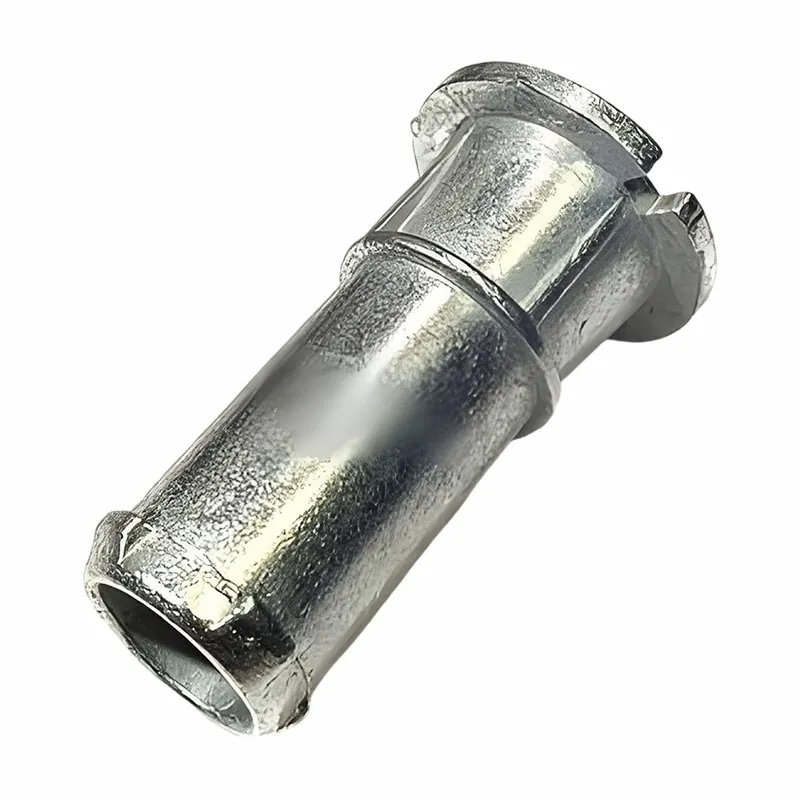
Let's say you're working on a project involving Car Rearview Mirror Pivot. These metal parts need a high - quality finish that's both durable and aesthetically pleasing. When painting car rearview mirror pivots with epoxy paint, you'll want to pay close attention to the drying time to ensure a great result.
To speed up the drying process, you can take a few steps. You can use a heater to raise the temperature in the painting area, but make sure it's done safely and doesn't cause the paint to dry too quickly. You can also use a dehumidifier to reduce the humidity levels. And of course, ensuring proper ventilation is always a must.
As a supplier of metal part painting services, we've dealt with all sorts of projects and have a lot of experience in getting the epoxy paint drying process just right. We use state - of - the - art equipment and follow strict quality control measures to ensure that every metal part we paint meets the highest standards.
If you're in the market for high - quality painting of metal parts, we'd love to have a chat with you. Whether you're working on a small - scale project or a large - scale industrial order, we have the expertise and resources to handle it. Our team can help you choose the right epoxy paint for your specific needs and ensure that the drying process is optimized for the best results.
Contact us to discuss your project requirements and get a quote. We're always happy to answer any questions you may have about epoxy paint drying times or any other aspect of our metal part painting services.
References
- "Epoxy Coatings Handbook" by some industry expert
- Manufacturer's guidelines for various epoxy paint products