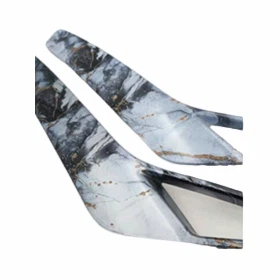
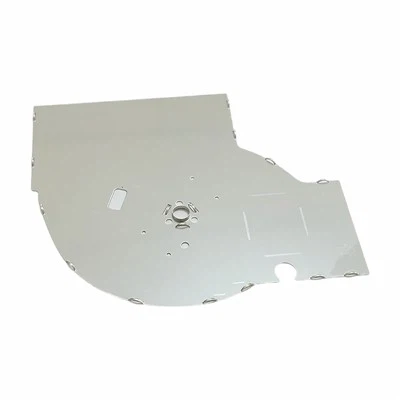
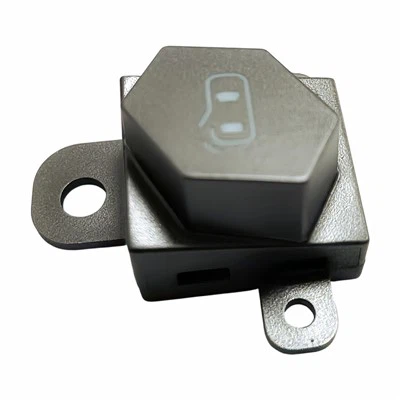
Hey there! As a supplier of painting of metal parts, I've been getting a lot of questions lately about the best way to paint metal parts to make them waterproof. It's a crucial aspect, especially when you're dealing with metal components that are exposed to moisture, like those in automotive, marine, or outdoor equipment. So, let's dive right in and explore the ins and outs of waterproof metal painting.
Understanding the Basics of Metal and Water
First off, we need to understand why metal needs protection from water. Metal, especially iron and steel, is prone to rust when it comes into contact with water and oxygen. Rust not only looks bad but also weakens the metal over time. So, the goal of waterproof painting is to create a barrier between the metal and the water, preventing this rusting process.
Preparing the Metal Surface
The key to a long - lasting, waterproof paint job starts with proper surface preparation. You can't just slop paint on metal and expect it to work.
- Cleaning: The metal surface must be clean. Any dirt, grease, or oil can prevent the paint from adhering properly. You can use a degreaser to remove oils and a wire brush or sandpaper to get rid of dirt and loose rust. For a more thorough clean, you can also use a pressure washer, but make sure the metal dries completely afterward.
- Sanding: Sanding is essential. It helps to create a rough surface for the paint to grip onto. You can use different grits of sandpaper depending on the condition of the metal. For a smooth finish, start with a coarser grit and then move to a finer one. This step also helps to remove any remaining rust and smooth out the surface.
- Priming: After cleaning and sanding, applying a primer is a must. A good primer acts as a base layer that improves the adhesion of the topcoat and provides an extra layer of protection against corrosion. There are different types of primers available, such as epoxy primers, which are great for metal because they form a strong bond and offer excellent corrosion resistance.
Choosing the Right Paint
Not all paints are created equal when it comes to waterproofing metal parts. Here are some options to consider:
- Enamel Paint: Enamel paints are a popular choice for metal. They dry to a hard, glossy finish that is resistant to water and chemicals. They come in a wide range of colors and are relatively easy to apply. However, they can be a bit brittle, so they might not be the best choice for parts that are subject to a lot of flexing.
- Epoxy Paint: Epoxy paints are known for their excellent adhesion and waterproofing properties. They are very durable and can withstand harsh environments. Epoxy paints are often used in industrial settings and on marine equipment. They do require a bit more skill to apply, as they usually come in a two - part system that needs to be mixed properly.
- Acrylic Paint: Acrylic paints are water - based, which makes them easy to clean up. They are also flexible, so they can be a good option for metal parts that might bend or move. While they are not as waterproof as epoxy or enamel paints on their own, there are waterproof acrylic formulas available.
Application Techniques
Once you've prepared the metal and chosen the right paint, it's time to apply it.
- Spray Painting: Spray painting is a popular method because it can provide a smooth, even finish. It's also faster than brushing, especially for larger parts. When spray painting, make sure to work in a well - ventilated area and follow the manufacturer's instructions for the paint. Hold the spray can at the right distance from the metal surface and apply thin, even coats. Multiple thin coats are better than one thick coat, as thick coats are more likely to drip and not dry properly.
- Brushing: Brushing is a more traditional method. It gives you more control over the application, especially for small or detailed parts. When brushing, use a high - quality brush and make sure to apply the paint in the direction of the grain of the metal. Work slowly and evenly to avoid leaving brush marks.
Curing and Drying
After painting, proper curing and drying are crucial for the paint to achieve its full waterproofing potential.
- Drying Time: Different paints have different drying times. Read the label on the paint can to find out how long it needs to dry. Factors like temperature and humidity can also affect drying time. In general, it's best to let the paint dry in a warm, dry place. Avoid exposing the painted parts to water or moisture until the paint is completely dry.
- Curing Time: Curing is different from drying. Curing is the process by which the paint fully hardens and develops its final properties. Some paints, especially epoxy paints, require a longer curing time. During the curing process, it's important not to touch or subject the painted parts to stress.
Testing the Waterproofing
Once the paint has cured, it's a good idea to test the waterproofing. You can do a simple water test by spraying a small amount of water on the painted surface and seeing if it beads up. If the water spreads out or soaks into the paint, there might be an issue with the paint job. Another way to test is to submerge a small part in water for a short period and then check for any signs of rust or paint peeling.
Real - World Applications
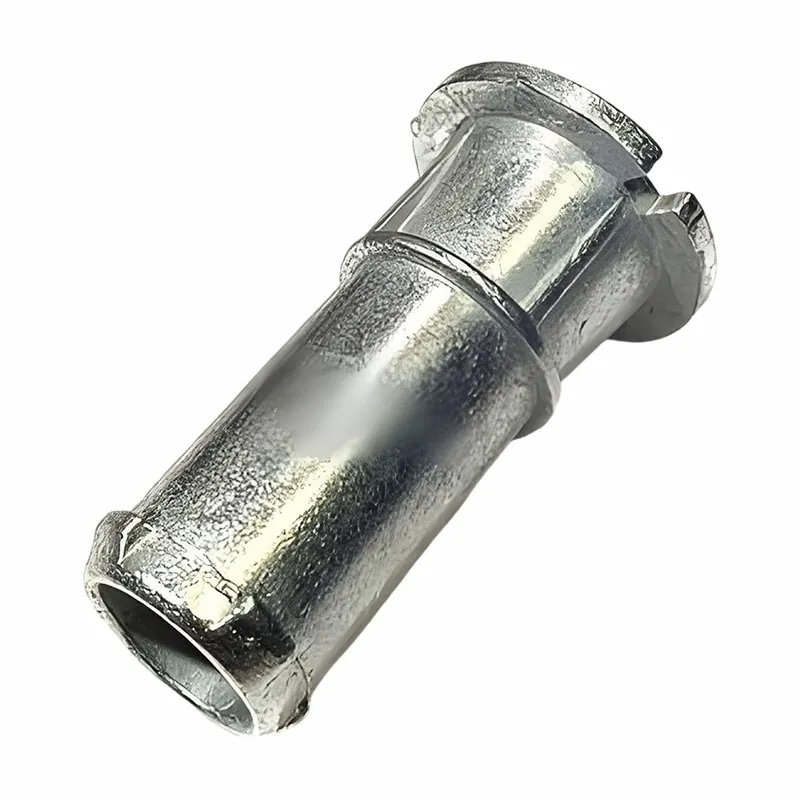
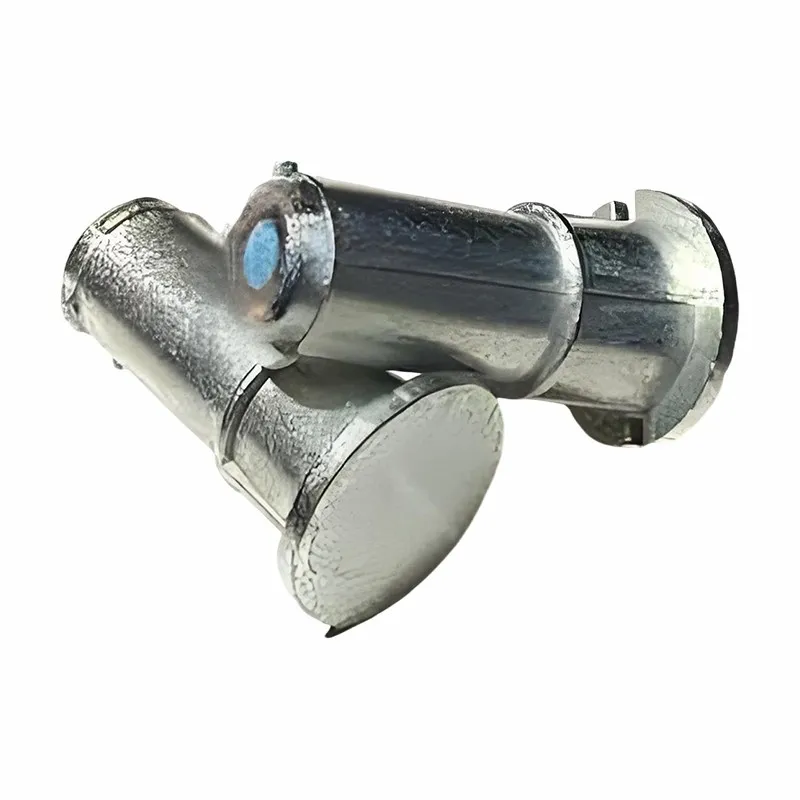
Let's take a look at some real - world examples of waterproof painted metal parts. One example is the Car Rearview Mirror Pivot. This part is constantly exposed to the elements, including rain and moisture. By using the right painting techniques and materials, we can ensure that it remains waterproof and functional for a long time.
Conclusion
Painting metal parts to be waterproof is a multi - step process that requires proper surface preparation, the right choice of paint, and careful application. By following these steps, you can ensure that your metal parts are well - protected against water and corrosion.
If you're in the market for high - quality painting of metal parts, whether it's for automotive, industrial, or any other application, I'd love to have a chat with you. We have the expertise and experience to provide you with the best waterproof painting solutions for your needs. Don't hesitate to reach out and start a conversation about your project.
References
- "The Complete Guide to Metal Painting" by DIY Metalworking Magazine
- "Waterproofing Paints: A Technical Overview" by Paint Industry Journal