Hey there! I'm a supplier in the painting of metal parts, and today I wanna chat about the best way to paint metal parts to make them sound - absorbing. It's a topic that's super relevant, especially in industries where noise reduction is a big deal.
First off, let's understand why we'd want to paint metal parts for sound absorption. Metal parts, by themselves, can be quite noisy. They can vibrate and transmit sound waves easily. In a lot of applications like automotive, machinery, and even some consumer products, this noise can be a real nuisance. That's where sound - absorbing paint comes in.
Understanding Sound - Absorbing Paints
Sound - absorbing paints work by converting sound energy into heat energy. They have special materials in them that can dampen the vibrations of the metal surface, thus reducing the amount of sound that gets transmitted. There are different types of sound - absorbing paints available in the market, and choosing the right one is crucial.
One common type is the viscoelastic paint. These paints have a high damping capacity, which means they can absorb a significant amount of the energy from the vibrating metal. They're made up of polymers that can deform under stress and then return to their original shape, dissipating the energy in the process. Another type is the porous paint. These paints have tiny pores that can trap sound waves, preventing them from bouncing off the metal surface.
Surface Preparation
Before we start painting, proper surface preparation is a must. You can't just slop paint on a dirty or rusty metal surface and expect it to work well. First, clean the metal part thoroughly. You can use a degreaser to remove any oil, grease, or dirt. A good degreaser will break down the contaminants and make them easy to wash off.
After degreasing, you might need to do some sanding. Sanding helps to create a rough surface for the paint to adhere to. It also removes any rust or old paint that might be on the surface. You can use different grits of sandpaper depending on the condition of the metal. For a heavily rusted surface, start with a coarse - grit sandpaper and then move on to a finer - grit one for a smoother finish.
Once you've sanded the surface, clean it again to remove any dust. You can use a clean, dry cloth or compressed air to blow away the dust. Make sure the surface is completely dry before you start painting.
Choosing the Right Paint Application Method
There are several ways to apply sound - absorbing paint to metal parts, and each has its own pros and cons.
Spray Painting
Spray painting is a popular method. It allows for an even application of the paint and can cover large areas quickly. You can use an air - spray gun or a spray can. When using a spray gun, you have more control over the amount of paint being applied. You can adjust the pressure and the spray pattern to get the best results.
However, spray painting requires some skill. If you're not careful, you can end up with runs, drips, or an uneven finish. Also, you need to work in a well - ventilated area because the fumes from the paint can be harmful.
Brush Painting
Brush painting is a more traditional method. It's great for small metal parts or areas that are hard to reach with a spray gun. You have more direct control over where the paint goes. But, it can be time - consuming, and it might not give as smooth a finish as spray painting. You also need to be careful about brush strokes, as visible brush marks can affect the appearance and performance of the paint.
Dip Coating
Dip coating involves dipping the metal part into a tank of paint. This method ensures complete coverage of the part. It's a good option for parts with complex shapes. However, it can be wasteful as you might end up using more paint than necessary. Also, you need to have a proper setup for dip coating, including a tank, a lifting mechanism, and a way to control the drying process.

Curing and Drying
After painting, the next step is curing and drying. This is an important stage because it determines how well the paint will adhere to the metal and perform as a sound - absorbing material.
The drying time depends on the type of paint you're using. Some paints dry quickly at room temperature, while others might need to be baked in an oven. Follow the manufacturer's instructions for the best results.
During the curing process, make sure the metal part is kept in a clean, dry environment. Avoid touching the painted surface until it's fully cured, as this can damage the paint and affect its performance.
Case in Point: Car Rearview Mirror Pivot
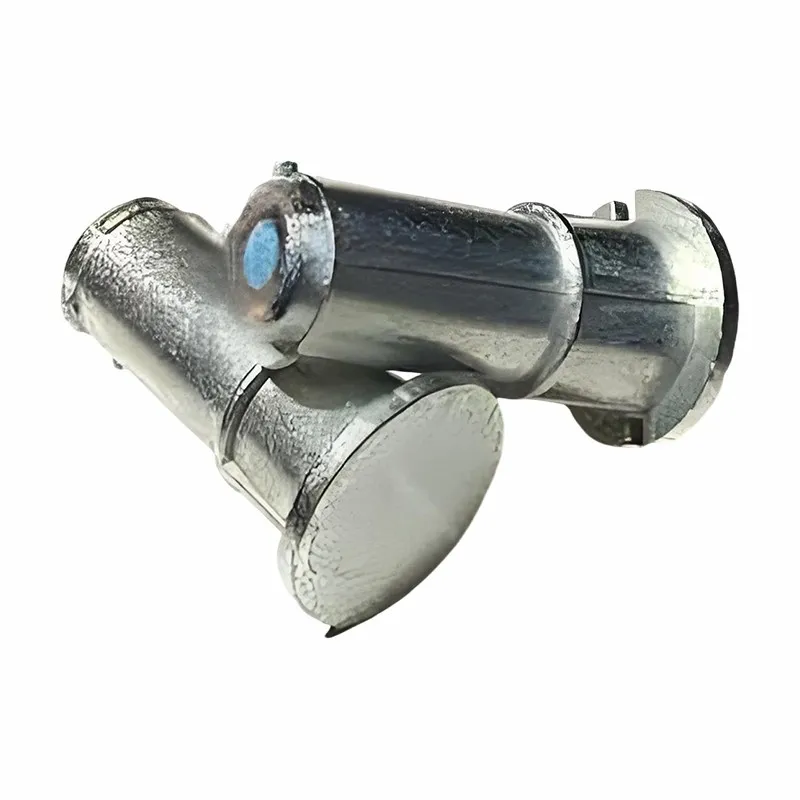
Let's take a look at a specific example: the Car Rearview Mirror Pivot. In a car, the rearview mirror pivot can vibrate and create noise, especially when the car is moving. By painting it with a sound - absorbing paint, we can reduce this noise.
First, we'd prepare the surface of the pivot. Clean it to remove any dirt or grease that might have accumulated over time. Then, sand it lightly to create a good surface for the paint to stick to.
Next, we can choose the appropriate paint application method. For a rearview mirror pivot, spray painting might be a good option as it can give an even finish and cover the small part quickly. After painting, we'd let it dry and cure according to the paint's instructions.
Quality Control
Quality control is an essential part of the process. You need to make sure that the painted metal parts meet the required standards for sound absorption. You can use various testing methods to check the performance of the paint.
One common test is the sound transmission loss test. This test measures how much sound is reduced when it passes through the painted metal part. You can also do a visual inspection to check for any defects in the paint, such as cracks, blisters, or unevenness.
Conclusion
So, there you have it! The best way to paint metal parts for sound absorption involves understanding the different types of sound - absorbing paints, proper surface preparation, choosing the right paint application method, and ensuring proper curing and quality control.
If you're in the market for painted metal parts with sound - absorbing properties, I'd love to have a chat with you. Whether you need parts for automotive, machinery, or any other industry, I can provide high - quality painted metal parts that meet your requirements. Reach out to start a conversation about your specific needs, and let's work together to find the best solution for you.
References
- "Handbook of Noise and Vibration Control" by Cyril M. Harris
- "Painting and Coating Technology" by Robert L. Yates