


Airflow patterns in cooling fan housings are a critical aspect of the design and functionality of cooling systems. As a cooling fan housing supplier, understanding these airflow patterns is essential for optimizing the performance of our products and meeting the diverse needs of our customers. In this blog, we will explore the various factors that influence the airflow pattern in a cooling fan housing, the importance of proper airflow design, and how our expertise can benefit your applications.
Fundamental Concepts of Airflow in Cooling Fan Housings
To comprehend the airflow pattern in a cooling fan housing, we first need to understand the basic principles of fluid dynamics involved. Airflow is essentially the movement of air molecules in a particular direction, driven by pressure differences. In the context of a cooling fan, the fan blades generate a pressure difference by accelerating the air, causing it to flow from an area of high pressure to an area of low pressure.
The geometry of the cooling fan housing plays a significant role in shaping the airflow pattern. The shape and size of the inlet and outlet, as well as the internal structure of the housing, can either facilitate or impede the smooth flow of air. For instance, a well - designed housing will have a streamlined inlet to minimize turbulence and allow air to enter the fan with minimal resistance. The outlet should also be sized appropriately to ensure that the air can exit the housing efficiently without causing back - pressure.
Factors Influencing Airflow Patterns
-
Fan Blade Design: Different fan blade designs can produce distinct airflow patterns. Axial fans, which have blades that are oriented parallel to the axis of rotation, typically generate a high - volume, low - pressure airflow. This type of fan is commonly used in applications where large amounts of air need to be moved quickly, such as in computer case cooling. On the other hand, centrifugal fans have blades that are curved and arranged around a central hub. They produce a high - pressure, low - volume airflow, making them suitable for applications where air needs to be forced through a narrow or restricted space, like in HVAC systems.
-
Housing Shape and Dimensions: The overall shape and dimensions of the cooling fan housing have a direct impact on the airflow pattern. A housing that is too narrow or has sharp corners can cause the air to become turbulent, reducing the efficiency of the cooling system. Conversely, a well - rounded and spacious housing promotes a more laminar airflow, which is characterized by smooth, parallel layers of air moving in the same direction. This laminar flow reduces energy losses due to friction and improves the overall performance of the fan.
-
Internal Obstructions: Any internal obstructions within the cooling fan housing, such as support struts or wiring, can disrupt the airflow pattern. These obstructions create areas of turbulence and increase the resistance to airflow, leading to reduced cooling efficiency. Therefore, it is crucial to minimize the presence of internal obstructions during the design and manufacturing process.
Importance of Proper Airflow Design
Proper airflow design in a cooling fan housing offers several benefits. Firstly, it enhances the cooling efficiency of the system. When the airflow is optimized, the fan can move more air through the housing, which in turn can remove heat more effectively from the components being cooled. This is particularly important in high - power applications, where excessive heat can cause damage to sensitive electronic components and reduce their lifespan.
Secondly, a well - designed airflow pattern reduces noise levels. Turbulent airflow is often a major source of noise in cooling systems. By promoting a more laminar airflow, the noise generated by the fan can be significantly reduced, creating a more comfortable and quiet environment.
Thirdly, proper airflow design can improve the energy efficiency of the cooling system. When the air can flow smoothly through the housing, the fan does not have to work as hard to move the same amount of air. This results in lower power consumption, which not only saves energy but also reduces operating costs.

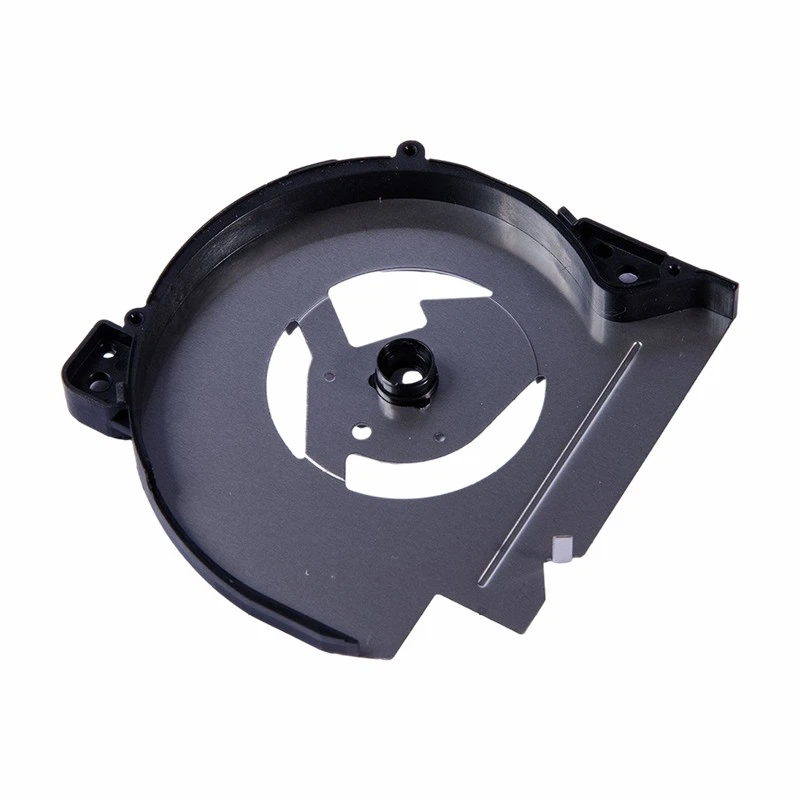
Our Expertise as a Cooling Fan Housing Supplier
As a leading cooling fan housing supplier, we have extensive experience in designing and manufacturing fan housings that optimize airflow patterns. Our team of engineers uses state - of - the - art computational fluid dynamics (CFD) software to simulate and analyze the airflow within the housing during the design phase. This allows us to identify potential issues and make necessary adjustments to the design to ensure optimal performance.
We offer a wide range of cooling fan housings to suit different applications and requirements. Whether you need a housing for a small computer fan or a large industrial cooling system, we have the expertise and resources to provide a customized solution. Our products are made from high - quality materials that are durable and resistant to heat and corrosion, ensuring long - term reliability.
Moreover, we stay updated with the latest industry trends and technological advancements to continuously improve our products. We are committed to providing our customers with innovative solutions that meet or exceed their expectations.
Related Products and Applications
In addition to cooling fan housings, we also have expertise in manufacturing other related products. For example, we offer EV Busbar Connector which are essential components in electric vehicle power systems. These connectors are designed to provide reliable electrical connections and efficient power transmission.
Our Pillow Assy products are used in various mechanical applications where support and alignment are required. They are precision - engineered to ensure smooth operation and long - term durability.
Another important product line is our Automotive Connector. These connectors are used in the automotive industry to connect various electrical components, such as sensors, actuators, and control units. They are designed to withstand harsh environmental conditions and provide reliable electrical connections.
Contact Us for Your Cooling Fan Housing Needs
If you are in the market for high - quality cooling fan housings or any of our other products, we invite you to contact us for a consultation. Our team of experts will work closely with you to understand your specific requirements and provide you with the best possible solution. We are dedicated to providing excellent customer service and ensuring your satisfaction. Whether you are an OEM, a system integrator, or a distributor, we have the products and expertise to meet your needs.
References
- White, F. M. (2006). Fluid Mechanics. McGraw - Hill.
- Incropera, F. P., & DeWitt, D. P. (2002). Fundamentals of Heat and Mass Transfer. Wiley.
- Kays, W. M., Crawford, M. E., & Weigand, B. (2005). Convective Heat and Mass Transfer. McGraw - Hill.




