Hey there! As a supplier of car central control panels, I've had the privilege of getting up close and personal with the dashboards of various car brands. It's been an eye - opener to see how different each one is. In this blog, I'll share some of the key differences I've noticed among car central control panels across different brands.
Let's start with the big names in the luxury car market. Take Mercedes - Benz, for example. Their central control panels are all about high - end technology and sleek design. The MBUX (Mercedes - Benz User Experience) system is a real game - changer. It features a large, high - resolution touchscreen that looks like it's floating on the dashboard. The interface is super intuitive, with a virtual assistant that can understand natural language. You can say things like "Hey Mercedes, I'm cold" and it'll adjust the temperature for you. The panel also has a lot of haptic feedback, so when you touch the screen or the touchpad on the center console, you get a little vibration that gives you a sense of real - world interaction.
On the other hand, BMW has its own unique approach. The iDrive system in BMWs is well - known for its rotary controller. Instead of relying solely on a touchscreen, you can use this knob to navigate through the menu. It's great for drivers who prefer a more tactile way of controlling the system while on the move. The central control panel in BMWs also has a clean and minimalist look. The screen is integrated seamlessly into the dashboard, and the graphics are sharp and modern. BMW focuses a lot on driver - centricity, so the controls are positioned in a way that makes them easy to reach without taking your eyes off the road for too long.
Audi is another luxury brand with a distinct central control panel. Their Virtual Cockpit is a standout feature. It replaces the traditional analog gauges with a fully digital display. You can customize what information is shown on this display, from speed and RPM to navigation maps and media details. The central touchscreen in Audi cars is also high - quality, with a flat - design interface that looks very futuristic. Audi pays a lot of attention to the materials used in the panel. You'll often find high - grade plastics, leather, and brushed aluminum, which give the interior a premium feel.
Now, let's shift our focus to some mainstream brands. Toyota is known for its reliability, and that extends to its central control panels. Toyota's systems are simple and straightforward. The touchscreen is usually of a moderate size and offers basic functions like audio controls, Bluetooth connectivity, and navigation. The menus are easy to understand, even for first - time car owners. There aren't a lot of fancy features, but that's part of Toyota's appeal. They aim to provide a no - frills, practical driving experience.
Honda, on the other hand, has been stepping up its game in recent years. Their central control panels have become more modern and feature - rich. The touchscreen is responsive, and the system supports Apple CarPlay and Android Auto, which is a big plus for smartphone users. Honda also pays attention to ergonomics. The buttons and knobs are placed in a logical order, making it easy to operate the system while driving.
Ford has a unique approach to its central control panels. The SYNC system in Ford cars offers a lot of connectivity options. You can connect your phone, stream music, and even use voice commands to control various functions. The central touchscreen is large and colorful, and the interface is designed to be user - friendly. Ford also offers some advanced features like Wi - Fi hotspot capability, which is great for keeping passengers entertained on long trips.
One of the things that really sets different car brands apart is the use of ambient lighting in the central control panel. Some brands use it sparingly, while others go all out. For instance, Car Ambient Light Parts play a big role in creating a mood in the car. Luxury brands like Mercedes - Benz and BMW often use ambient lighting to enhance the overall driving experience. You can change the color and intensity of the lights to suit your mood. It's not just about looking cool; it can also help reduce eye strain at night.


Another aspect to consider is the integration of other automotive interior parts. The central control panel doesn't exist in a vacuum; it's part of the overall interior design. Automotive Interior Parts like door panels and seats need to work in harmony with the central control panel. For example, in some cars, the controls for the seat adjustment are located on the door panel, which makes it easy to reach. And in others, they might be integrated into the central console.
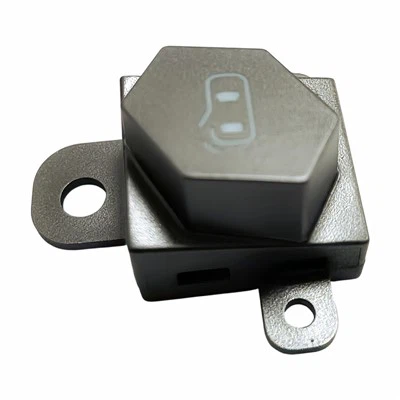
Car door parts also have an impact on the functionality and design of the central control panel. Car Door Parts like window switches and door locks need to be coordinated with the overall system. Some car brands have made these controls more intuitive and easier to use. For example, in some luxury cars, you can use the central control panel to lock or unlock all the doors with just a touch of a button.
As a car central control panel supplier, I've seen firsthand how these differences in design and functionality can affect the overall driving experience. Each car brand has its own vision of what a central control panel should be, whether it's focused on luxury, practicality, or technology.
If you're in the market for car central control panels or other related automotive interior parts, I'd love to have a chat with you. Whether you're a car manufacturer looking to source high - quality components or a custom car builder with unique requirements, I'm here to help. Just reach out, and we can start discussing how I can meet your specific needs.
References:
- Personal experience as a car central control panel supplier
- Industry knowledge of various car brands and their features