In the rapidly evolving electric vehicle (EV) industry, busbar connectors play a pivotal role in ensuring efficient power transmission and electrical connectivity. As a leading supplier of EV busbar connectors, we understand the importance of cost - performance ratios in the decision - making process for our customers. This blog post aims to explore the cost - performance ratios of different EV busbar connectors and provide insights to help you make informed purchasing decisions.
Understanding Cost - Performance Ratio
The cost - performance ratio is a crucial metric that evaluates the relationship between the cost of a product and its performance. In the context of EV busbar connectors, cost encompasses not only the initial purchase price but also factors such as installation costs, maintenance expenses, and potential downtime costs. Performance, on the other hand, includes parameters like electrical conductivity, current - carrying capacity, mechanical durability, and thermal management.


Types of EV Busbar Connectors and Their Cost - Performance Analysis
1. Copper Busbar Connectors
Copper is a widely used material for busbar connectors due to its excellent electrical conductivity. Copper busbar connectors offer low resistance, which translates into less power loss during electrical transmission. This high - performance characteristic makes them suitable for high - power EV applications.
However, the cost of copper has been relatively high in recent years, mainly due to its limited supply and high demand from various industries. The price of raw copper can significantly impact the overall cost of copper busbar connectors. Additionally, copper is prone to oxidation, which may require additional surface treatments to maintain its performance over time, adding to the cost.
In terms of performance, copper busbar connectors can handle high currents with minimal heat generation. Their mechanical strength is also relatively good, allowing them to withstand vibrations and mechanical stresses in the EV environment. Overall, the cost - performance ratio of copper busbar connectors is relatively high for applications where high - performance and reliability are non - negotiable, such as in luxury EV models or high - end commercial electric vehicles.
2. Aluminum Busbar Connectors
Aluminum is another popular choice for busbar connectors. It has a lower density than copper, which means that aluminum busbar connectors are lighter. This weight reduction can contribute to improved energy efficiency in EVs by reducing the overall vehicle weight.
The cost of aluminum is generally lower than that of copper, making aluminum busbar connectors a more cost - effective option in terms of raw material cost. However, aluminum has a lower electrical conductivity compared to copper. To achieve the same current - carrying capacity as copper connectors, larger cross - sectional areas of aluminum are often required, which may increase the size and potentially the installation cost of the connectors.
In terms of mechanical properties, aluminum is more prone to deformation under stress compared to copper. But with proper design and reinforcement, aluminum busbar connectors can still meet the requirements of most EV applications. The cost - performance ratio of aluminum busbar connectors is attractive for mid - range EVs where cost savings are important, and a slight compromise in performance can be tolerated.
3. Hybrid Busbar Connectors
Hybrid busbar connectors combine the advantages of both copper and aluminum. They typically use copper in areas where high electrical conductivity is crucial, such as the contact points, and aluminum in other parts to reduce weight and cost.
The cost of hybrid busbar connectors lies between that of pure copper and pure aluminum connectors. Their performance is also a balance between the two. They can offer good electrical conductivity at the contact points while still benefiting from the weight and cost advantages of aluminum in other areas. Hybrid busbar connectors are becoming increasingly popular in the EV market as they provide a good compromise between cost and performance, suitable for a wide range of EV applications.
Factors Affecting the Cost - Performance Ratio
1. Design and Manufacturing Process
The design of the busbar connector can have a significant impact on its cost - performance ratio. A well - designed connector can optimize the use of materials, reduce manufacturing complexity, and improve performance. For example, a connector with a more efficient cooling design can handle higher currents without overheating, reducing the need for larger and more expensive materials.
Advanced manufacturing processes, such as precision stamping and welding, can improve the quality and consistency of busbar connectors. However, these processes may also increase the manufacturing cost. Therefore, finding the right balance between design complexity and manufacturing cost is crucial to achieving a good cost - performance ratio.
2. Quantity of Purchase
The quantity of busbar connectors purchased also affects the cost - performance ratio. Bulk purchasing usually allows for volume discounts, reducing the unit cost of the connectors. However, storing a large quantity of inventory also incurs additional costs, such as storage space and inventory management. Therefore, customers need to carefully consider their production volume and inventory management strategies when deciding on the purchase quantity.
3. Application Requirements
The specific requirements of the EV application play a vital role in determining the appropriate cost - performance ratio. For example, in high - performance racing EVs, the emphasis is on maximum performance, and cost may be a secondary consideration. In contrast, for mass - market consumer EVs, cost - effectiveness is often a top priority, and a more balanced cost - performance ratio is required.
Our Offerings as an EV Busbar Connector Supplier
As a professional EV busbar connector supplier, we offer a wide range of products to meet different customer needs. Our product portfolio includes copper, aluminum, and hybrid busbar connectors, each with its own unique cost - performance characteristics.
We are committed to providing high - quality products at competitive prices. Our team of engineers continuously works on optimizing the design and manufacturing process to improve the cost - performance ratio of our products. We also offer customized solutions to meet the specific requirements of different EV applications.
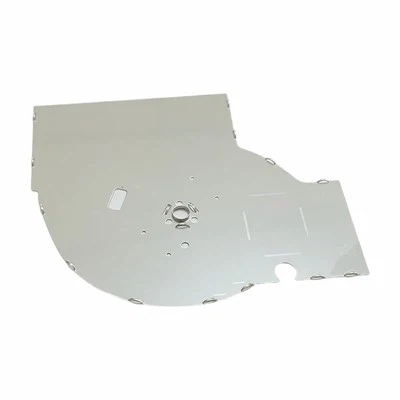
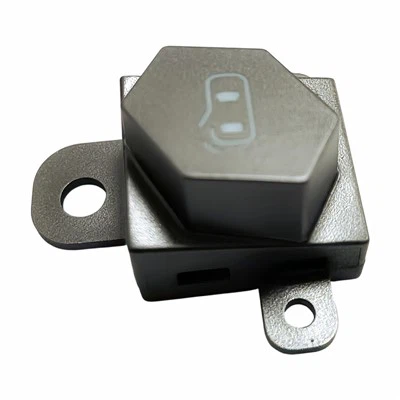
In addition to our standard product offerings, we also provide related products such as Automotive Connector, Pillow Assy, and Cooling Fan Housing. These products are designed to work seamlessly with our busbar connectors to provide a comprehensive electrical connectivity solution for EVs.
Contact Us for Purchasing and Negotiation
If you are interested in our EV busbar connectors or other related products, we encourage you to contact us for purchasing and negotiation. Our sales team is ready to provide you with detailed product information, pricing quotes, and technical support. We believe that through in - depth communication and negotiation, we can find the most suitable cost - performance solution for your EV project.
References
- "Electric Vehicle Technology Explained" by James Larminie and John Lowry.
- Industry reports on the EV and busbar connector market from market research firms.
- Technical papers on electrical conductivity and material properties of copper and aluminum.