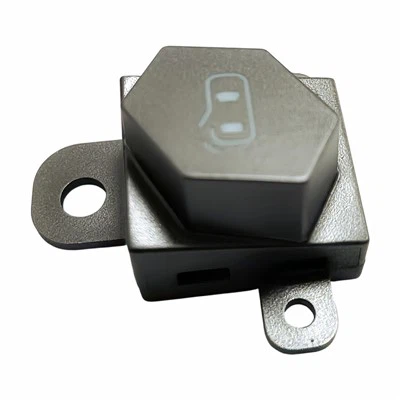
Hey there! As a supplier of Automotive Connector, I've been getting a lot of questions about the chemical resistance properties of automotive connectors. So, I thought I'd sit down and write this blog to share some insights on this topic.
First off, let's understand why chemical resistance is such a big deal for automotive connectors. In a car, connectors are exposed to a wide range of chemicals. You've got things like engine oil, transmission fluid, brake fluid, coolant, and even road salt and other environmental contaminants. If the connectors aren't resistant to these chemicals, they can start to corrode, which can lead to all sorts of problems. Poor electrical conductivity, intermittent connections, and even complete failure of the electrical system are just some of the issues that can arise from chemical damage.
Now, let's talk about the types of materials used in automotive connectors and their chemical resistance.
Plastic Materials
Most automotive connectors are made from plastic materials. These plastics are chosen for their good electrical insulation properties, lightweight, and relatively low cost. But different plastics have different levels of chemical resistance.
Polyamide (PA)
Polyamide, also known as nylon, is a commonly used plastic in automotive connectors. It has good mechanical strength and is resistant to many common automotive fluids. For example, it can withstand exposure to engine oil and transmission fluid for a long time without significant degradation. However, it's not as resistant to some polar solvents and strong acids or bases. If it comes into contact with these chemicals, the polyamide can absorb them, which can cause swelling and a decrease in its mechanical properties.
Polybutylene Terephthalate (PBT)
PBT is another popular plastic for automotive connectors. It has excellent chemical resistance to many automotive fluids, including coolant and brake fluid. It also has good dimensional stability, which means it won't change shape easily when exposed to chemicals or changes in temperature. This makes it a great choice for connectors that need to maintain a tight fit and reliable electrical connection over time.
Polycarbonate (PC)
Polycarbonate is known for its high impact resistance and transparency. In terms of chemical resistance, it can handle exposure to water and some mild chemicals. But it's not very resistant to solvents like gasoline and some automotive cleaning agents. These chemicals can cause stress cracking in the polycarbonate, which can weaken the connector and lead to failure.
Metal Materials
The metal parts of automotive connectors, such as the pins and sockets, are also important when it comes to chemical resistance.
Copper and Copper Alloys
Copper is a great conductor of electricity, so it's commonly used in connectors. However, copper is prone to oxidation, especially when exposed to moisture and certain chemicals. To improve its chemical resistance, copper is often coated with other metals. For example, tin plating is a common way to protect copper from oxidation and corrosion. Tin has good resistance to many automotive fluids and can form a protective layer on the copper surface.
Stainless Steel
Stainless steel is another option for connector components. It has excellent corrosion resistance, especially to water, salt, and some acids. This makes it a good choice for connectors that are exposed to harsh environmental conditions, such as those used in the underbody of a car where they may come into contact with road salt and water.
Testing Chemical Resistance
To ensure that our automotive connectors meet the required chemical resistance standards, we conduct a series of tests.
Immersion Tests
In immersion tests, we immerse the connectors in different automotive fluids for a specified period of time. We then measure changes in their physical and electrical properties, such as weight, dimensions, and electrical conductivity. For example, if a connector shows a significant increase in weight after being immersed in engine oil, it could indicate that the plastic material is absorbing the oil, which is a sign of poor chemical resistance.
Spray Tests
Spray tests are used to simulate real - world exposure to chemicals. We spray the connectors with a fine mist of the test chemical and then observe their behavior over time. This can help us determine how well the connectors can withstand splashes and spills of automotive fluids.


Real - World Applications
Let's take a look at some real - world applications where the chemical resistance of automotive connectors is crucial.
Engine Compartment
In the engine compartment, connectors are exposed to high temperatures and a variety of fluids. For example, the connectors for the fuel injection system need to be resistant to gasoline. If they aren't, the gasoline can seep into the connector and cause corrosion, which can lead to misfires and poor engine performance. Silicon Steel Sheet Insulator can also play a role in the engine compartment by providing electrical insulation and protection from heat and chemicals.
Cooling System
The connectors in the cooling system are in contact with coolant. Coolant contains a mixture of water, antifreeze, and additives, and it can be corrosive if the connectors aren't resistant. A connector failure in the cooling system can lead to a loss of coolant, which can cause the engine to overheat. That's why using connectors made from materials like PBT, which are resistant to coolant, is so important.
Electrical System in the Cabin
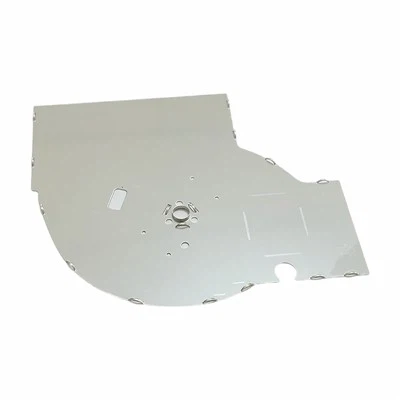
Even in the cabin, connectors can be exposed to chemicals. For example, cleaning agents used to clean the interior of the car can come into contact with the connectors. The connectors need to be able to withstand these chemicals without being damaged. And in some cases, the Cooling Fan Housing may also have connectors that need to be chemically resistant to ensure proper operation of the cooling fan.
Our Commitment as a Supplier
As a supplier of automotive connectors, we're committed to providing high - quality products with excellent chemical resistance. We use the latest materials and manufacturing processes to ensure that our connectors can withstand the harsh chemical environments in modern cars. We also conduct rigorous testing to meet or exceed industry standards.
If you're in the market for automotive connectors and are concerned about chemical resistance, we'd love to talk to you. Whether you need connectors for a new car model or for aftermarket applications, we can provide you with the right solutions. Our team of experts can help you choose the best connectors based on your specific requirements. So, don't hesitate to reach out to us for a consultation and to start a procurement discussion.
References
- "Automotive Electrical Systems" by John Heywood
- "Handbook of Plastics, Elastomers, and Composites" by Charles A. Harper
So, that's all about the chemical resistance properties of automotive connectors. I hope this blog has been helpful to you. If you have any more questions, feel free to leave a comment or get in touch with us.