Hey there! As a supplier of coating for plastic parts, I often get asked about anti - corrosion coatings for plastic parts. In this blog, I'm gonna share some insights on this topic.
First off, let's understand why we need anti - corrosion coatings for plastic parts. Plastics are generally quite resistant to corrosion compared to metals. However, they can still be affected by certain chemicals, UV radiation, and environmental factors over time. Anti - corrosion coatings help protect plastic parts from these elements, extending their lifespan and maintaining their appearance.
Types of Anti - Corrosion Coatings for Plastic Parts
1. Epoxy Coatings
Epoxy coatings are a popular choice for plastic parts. They offer excellent adhesion to plastic surfaces and provide a tough, durable barrier against corrosion. Epoxy coatings can resist a wide range of chemicals, including solvents, acids, and alkalis. This makes them suitable for plastic parts that are exposed to harsh chemical environments, such as those in industrial settings.
For example, if you have plastic parts used in chemical processing plants, epoxy coatings can protect them from chemical spills and fumes. They also have good resistance to abrasion, which means they can withstand wear and tear during normal use.
2. Polyurethane Coatings
Polyurethane coatings are known for their flexibility and high - gloss finish. They can provide good protection against UV radiation, which is a major cause of plastic degradation. When plastic parts are exposed to sunlight for long periods, the UV rays can break down the polymer chains in the plastic, causing it to become brittle and discolored.
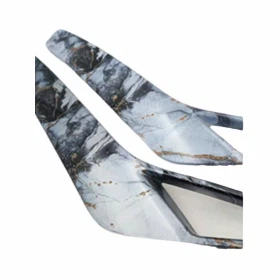
Polyurethane coatings form a protective layer that absorbs and blocks UV rays, preventing them from reaching the plastic surface. This is especially important for outdoor plastic parts, like Automotive Interior Parts. Even though they are inside the car, they can still be exposed to sunlight through the windows.
3. Acrylic Coatings
Acrylic coatings are lightweight and have excellent optical clarity. They are often used when the appearance of the plastic part is crucial. Acrylic coatings can enhance the aesthetic appeal of plastic parts while providing some level of corrosion protection.
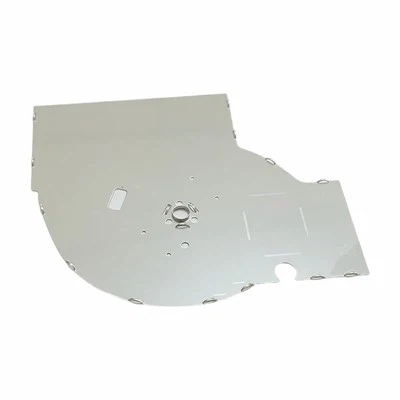
They are commonly used on Car Central Control Panel. The clear acrylic coatings not only protect the plastic from scratches and chemical damage but also give the control panel a sleek, modern look. Acrylic coatings are also easy to apply and dry quickly, which makes them a cost - effective option for mass - produced plastic parts.
4. Silicone Coatings
Silicone coatings offer unique properties such as high - temperature resistance and water repellency. They can be used on plastic parts that are exposed to high - temperature environments or need to be waterproof.
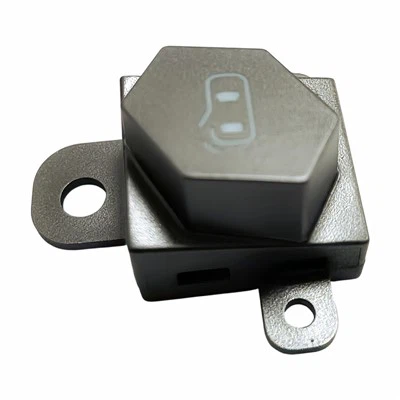
For instance, Car Door Parts can benefit from silicone coatings. In rainy or humid conditions, silicone coatings can prevent water from seeping into the plastic, which could cause swelling or mold growth. They also have good flexibility, so they can withstand the bending and flexing of car door parts during normal use.
Application Methods
The application of anti - corrosion coatings for plastic parts can be done in several ways.
1. Spray Coating
Spray coating is one of the most common methods. It allows for a uniform application of the coating on the plastic surface. The coating material is atomized into fine droplets and sprayed onto the part using a spray gun. This method is suitable for large - scale production as it can cover large areas quickly.
However, it requires proper ventilation to prevent inhalation of the coating fumes. Also, the thickness of the coating can be affected by factors such as the distance between the spray gun and the part, the spray pressure, and the speed of the spraying process.
2. Dip Coating
Dip coating involves immersing the plastic part into a tank filled with the coating material. This method ensures complete coverage of the part, including hard - to - reach areas. Dip coating is relatively simple and cost - effective, especially for small - to - medium - sized parts.
But it can be difficult to control the coating thickness, and there may be issues with dripping and uneven drying. After dipping, the excess coating needs to be drained off, and the part needs to be dried properly to avoid runs and sags.
3. Electrostatic Coating
Electrostatic coating uses electrostatic charges to attract the coating particles to the plastic surface. The plastic part is charged with one polarity, and the coating particles are charged with the opposite polarity. This causes the coating particles to be attracted to the part, resulting in a more efficient and uniform coating.
Electrostatic coating can reduce overspray and waste, making it an environmentally friendly option. It also provides good adhesion and a smooth finish. However, it requires specialized equipment and trained operators.
Factors to Consider When Choosing Anti - Corrosion Coatings
1. Environmental Conditions
The first thing to consider is the environment in which the plastic part will be used. If it's an outdoor environment, UV resistance and weatherability are crucial. For indoor industrial settings, chemical resistance may be more important.
For example, if the plastic parts are used in a coastal area, they will be exposed to saltwater and high humidity. In this case, coatings with good water and salt - resistance should be chosen.
2. Part Geometry
The shape and size of the plastic part can also affect the choice of coating and application method. Complex - shaped parts may require a coating method that can reach all surfaces, such as dip coating or electrostatic coating.
If the part has small holes or intricate details, spray coating may not be the best option as it may not provide complete coverage.


3. Cost
Cost is always a factor in any business decision. Different coatings have different costs, and the application methods also vary in terms of cost. You need to balance the cost of the coating with the level of protection it provides and the expected lifespan of the plastic part.
For example, if the plastic part has a short lifespan and is not exposed to very harsh conditions, a less expensive coating may be sufficient. But for critical parts with long - term use requirements, investing in a high - quality coating may be more cost - effective in the long run.
Why Choose Us as Your Coating Supplier
As a coating of plastic parts supplier, we have years of experience in the industry. We have a wide range of anti - corrosion coatings available, and we can help you choose the right one for your specific needs.
Our team of experts can provide technical support throughout the coating process, from coating selection to application. We use state - of - the - art equipment and follow strict quality control measures to ensure that the coatings we apply meet the highest standards.
If you're looking for reliable anti - corrosion coatings for your plastic parts, don't hesitate to contact us for procurement discussions. We're here to help you protect your plastic parts and enhance their performance.
References
- "Handbook of Coating Technology"
- "Plastic Materials and Their Applications"
- "Corrosion Prevention and Control in the Plastics Industry"