Testing the performance of coatings on plastic parts is a crucial step in ensuring the quality and durability of the final products. As a leading supplier of coating for plastic parts, we understand the significance of rigorous testing to meet the diverse needs of our customers. In this blog post, we will explore the various methods and considerations for testing the performance of coatings on plastic parts.
Adhesion Testing
Adhesion is one of the most critical properties of a coating on plastic parts. A coating that does not adhere properly to the plastic surface will likely peel or flake off, compromising the appearance and functionality of the part. There are several methods to test adhesion, and one of the most common is the cross-cut test.
The cross-cut test involves making a series of parallel cuts in the coating at a specified distance apart, followed by a second set of cuts perpendicular to the first. A pressure-sensitive tape is then applied over the cross-hatched area and quickly removed. The amount of coating removed by the tape is evaluated according to a standard scale. A good coating should show minimal or no removal of the coating from the plastic surface.


Another method is the pull-off test, which measures the force required to pull a coating away from the plastic substrate. This test provides a quantitative measure of adhesion strength and is particularly useful for coatings that are expected to withstand high mechanical stresses.
Abrasion Resistance Testing
Plastic parts with coatings are often subject to abrasion during normal use. Abrasion resistance testing helps to determine how well a coating can withstand wear and tear. One popular method is the Taber abrasion test, where a rotating abrasive wheel is applied to the coated surface under a specified load for a set number of revolutions. The change in gloss or mass loss of the coating is then measured.
We also use the sandpaper abrasion test, where a piece of sandpaper is rubbed against the coated surface with a defined pressure and number of strokes. This test simulates the abrasion that might occur during handling or in contact with other rough surfaces.
Chemical Resistance Testing
Coatings on plastic parts may come into contact with various chemicals, such as cleaning agents, fuels, or solvents. Chemical resistance testing is essential to ensure that the coating can withstand exposure to these substances without significant damage.
We conduct immersion tests, where coated samples are immersed in specific chemicals for a predetermined period. After immersion, the samples are evaluated for changes in appearance, adhesion, or other properties. We also perform spot tests, where a small amount of the chemical is applied to the coated surface and left for a short time. The area is then inspected for any signs of degradation.
Weathering Resistance Testing
Plastic parts with coatings may be exposed to different weather conditions, including sunlight, moisture, and temperature variations. Weathering resistance testing helps to predict how the coating will perform over time in outdoor environments.
We use accelerated weathering chambers that simulate the effects of long-term exposure to sunlight, rain, and temperature changes in a relatively short period. These chambers use a combination of ultraviolet (UV) light, heat, and moisture to accelerate the aging process of the coating. The samples are regularly inspected for changes in color, gloss, adhesion, and other properties.
Hardness Testing
The hardness of a coating on plastic parts can affect its resistance to scratches and indentations. There are several methods for testing coating hardness, including the pencil hardness test. In this test, pencils of different hardness grades are used to scratch the coated surface at a specific angle and pressure. The hardness of the pencil that does not scratch the coating is recorded as the coating's hardness.
We also use the nanoindentation test, which measures the hardness and elastic modulus of the coating at a very small scale. This test is particularly useful for thin coatings and provides detailed information about the mechanical properties of the coating.
Gloss and Color Stability Testing
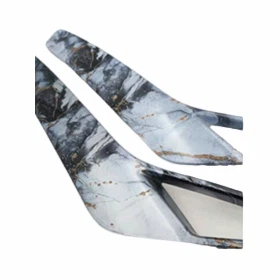
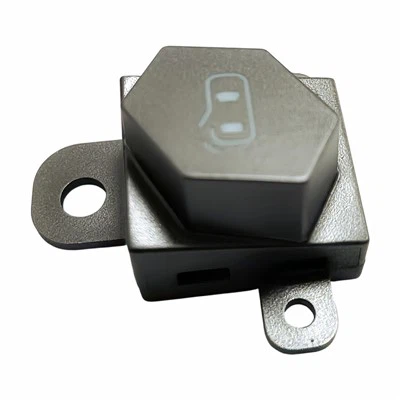
The appearance of coated plastic parts is often important, especially for applications such as Car Door Parts and Car Ambient Light Parts. Gloss and color stability testing ensure that the coating maintains its visual properties over time.
We use a gloss meter to measure the gloss of the coating at different angles. Changes in gloss can indicate surface degradation or damage to the coating. Color stability is tested using a spectrophotometer, which measures the color of the coating before and after exposure to various conditions, such as weathering or chemical exposure.
Testing for Specific Applications
For Automotive Exterior Components, additional tests may be required to meet the specific requirements of the automotive industry. These tests may include stone chip resistance testing, where small stones are propelled at high speed onto the coated surface to simulate the impact of road debris.
In the electronics industry, coatings on plastic parts may need to have good electrical insulation properties. We conduct electrical resistivity tests to ensure that the coating does not compromise the electrical performance of the plastic parts.
Importance of Testing for Our Customers
As a coating of plastic parts supplier, we understand that our customers rely on us to provide high-quality coatings that meet their specific requirements. Rigorous testing allows us to ensure that our coatings perform well in real-world applications, reducing the risk of product failures and customer dissatisfaction.
By providing detailed test reports to our customers, we give them the confidence that the coatings we supply are reliable and meet the necessary standards. This helps to build long-term partnerships with our customers and positions us as a trusted supplier in the market.
Contact Us for Your Coating Needs
If you are in need of high-quality coatings for your plastic parts, we invite you to contact us for a detailed discussion. Our team of experts can work with you to understand your specific requirements and recommend the most suitable coating solutions. We are committed to providing the best possible products and services to meet your needs.
References
- ASTM International. (2019). Standard test methods for evaluating coating adhesion by tape test. ASTM D3359.
- ISO. (2012). Paints and varnishes - Determination of abrasion resistance - Part 1: Taber abrader method. ISO 7784-1.
- ASTM International. (2016). Standard test method for pull-off strength of coatings using portable adhesion testers. ASTM D4541.