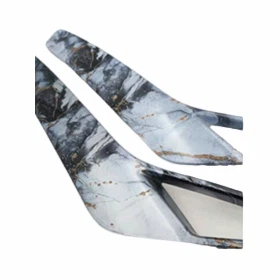
Painting metal parts to achieve a leather - like finish is a specialized process that combines artistry and technical know - how. As a supplier of painting of metal parts, I have had the privilege of working on various projects, from small components to large industrial pieces. In this blog, I'll share the step - by - step process of creating a leather - like finish on metal parts.
Understanding the Basics
Before we dive into the painting process, it's essential to understand why a leather - like finish on metal parts is desirable. A leather - like finish can add a touch of luxury, improve grip, and provide a unique aesthetic appeal. It can also offer some level of protection to the metal surface, similar to how a leather coating can shield an object.
Preparing the Metal Surface
The first and most crucial step in any painting process is preparing the metal surface. A well - prepared surface ensures better adhesion of the paint and a more durable finish.
- Cleaning: Start by thoroughly cleaning the metal parts. Use a degreaser to remove any oil, grease, or dirt. A simple solution of mild detergent and water can also work well. Rinse the parts with clean water and let them dry completely.
- Sandblasting or Sanding: Sandblasting is an effective way to roughen the metal surface, which helps the paint adhere better. If sandblasting is not an option, you can use sandpaper. Start with a coarse - grit sandpaper (around 80 - 120 grit) to remove any rust or rough spots, and then follow up with a finer - grit sandpaper (220 - 320 grit) for a smoother finish.
- Priming: Apply a high - quality metal primer. The primer acts as a base layer that helps the topcoat adhere and provides additional protection against corrosion. Make sure to choose a primer that is compatible with the type of metal and the paint you'll be using. Apply the primer evenly using a spray gun or a brush, following the manufacturer's instructions. Let the primer dry completely, which usually takes a few hours depending on the environmental conditions.
Selecting the Right Paint
Choosing the appropriate paint is key to achieving a leather - like finish.
- Type of Paint: Look for paints that are specifically formulated to create a textured or leather - like appearance. Some manufacturers offer special leather - effect paints that contain additives to mimic the look and feel of leather. Acrylic - based paints are often a good choice as they are durable, dry quickly, and come in a wide range of colors.
- Color Selection: Consider the end - use of the metal part when selecting the color. Earthy tones like browns, tans, and black are commonly associated with leather and can create a classic look. However, you can also experiment with other colors to achieve a more unique or contemporary style.
Applying the Paint
Once the metal surface is prepared and the paint is selected, it's time to apply the paint.
- Test on a Sample: Before painting the actual metal part, it's a good idea to test the paint on a small, inconspicuous area or a sample piece of the same metal. This allows you to adjust the application technique and ensure that you're happy with the result.
- Spray Painting: Spray painting is the most common method for achieving an even and professional - looking finish. Use a high - quality spray gun and follow the manufacturer's instructions for the correct air pressure, nozzle size, and distance from the surface. Hold the spray gun about 6 - 8 inches away from the metal part and apply thin, even coats. Over - spraying can cause drips and unevenness. Let each coat dry for the recommended time before applying the next one. Usually, 2 - 3 coats are sufficient, but you may need more depending on the desired thickness and coverage.
- Creating the Leather Texture: To create the characteristic texture of leather, you can use a few techniques. One method is to use a special textured spray paint or add a texture additive to the paint. Another approach is to use a sponge or a textured roller to apply the paint in a way that creates a random, uneven pattern. You can also use a comb or a fork to create fine lines and grooves on the wet paint surface, mimicking the natural grain of leather.
Finishing Touches
After the paint has dried completely, there are a few finishing touches that can enhance the leather - like appearance.

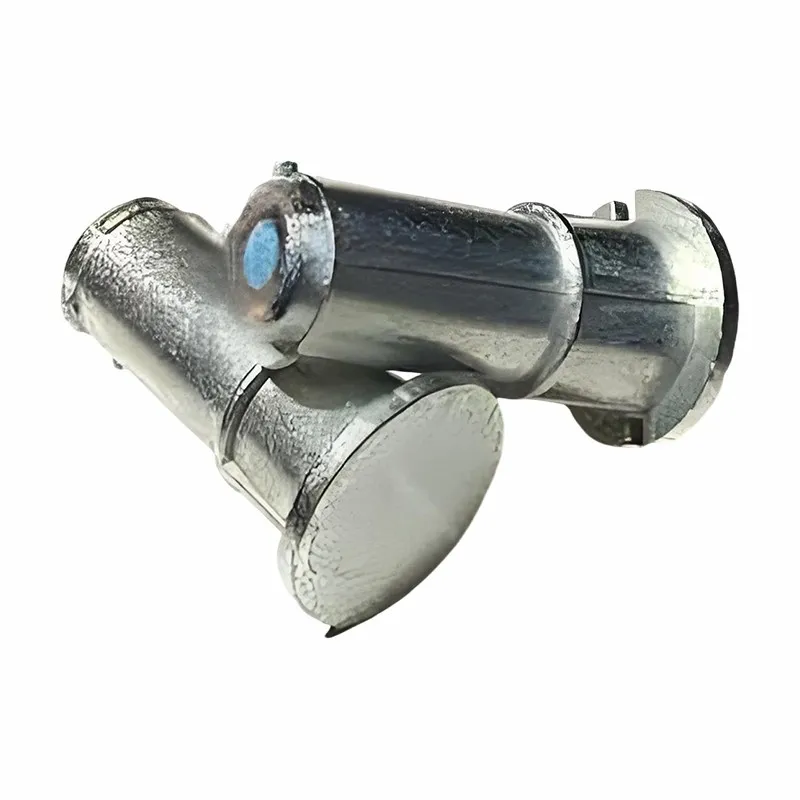
- Sealing: Apply a clear sealer to protect the painted surface and give it a more polished look. A clear polyurethane sealer is a popular choice as it provides good durability and UV resistance. Apply the sealer in the same way as the paint, using a spray gun or a brush. Let the sealer dry thoroughly.
- Buffing: Once the sealer is dry, you can buff the surface gently with a soft cloth to bring out the shine and smooth out any minor imperfections. This step can give the finish a more luxurious and professional look.
Quality Control
As a supplier of painting of metal parts, quality control is of utmost importance.
- Inspection: Thoroughly inspect the painted metal parts for any defects, such as uneven paint coverage, drips, or scratches. If any issues are found, they should be corrected before the parts are shipped to the customer.
- Testing: Perform tests to ensure the durability of the paint finish. This can include adhesion tests, scratch resistance tests, and chemical resistance tests. These tests help to ensure that the painted parts meet the required quality standards.
Examples of Applications
One of the many applications of metal parts with a leather - like finish is in the automotive industry. For instance, the Car Rearview Mirror Pivot can be painted with a leather - like finish to enhance its appearance and provide a better grip. In addition, metal furniture, home decor items, and industrial equipment can also benefit from this unique finish.
Contact for Procurement
If you're in need of metal parts with a leather - like finish, we are here to help. Our team of experts has extensive experience in painting metal parts and can ensure that you receive high - quality products that meet your specific requirements. Whether you have a small - scale project or a large - volume order, we are committed to providing excellent service and delivering the best results. Contact us to discuss your procurement needs and start a partnership that will bring your metal parts to the next level.
References
- "Painting and Finishing Metals" by John Doe
- "The Art of Textured Finishes" by Jane Smith
- Manufacturer's instructions for paints, primers, and sealers used in the process