As a stamping mold supplier, I've seen firsthand how crucial it is to improve the fatigue resistance of stamping molds. Fatigue failure is a common issue in stamping molds, and it can lead to premature wear, cracking, and ultimately, mold failure. This not only increases production costs but also affects the quality and efficiency of the stamping process. In this blog post, I'll share some practical tips on how to enhance the fatigue resistance of stamping molds.
Material Selection
The choice of material is the first and most important step in improving the fatigue resistance of a stamping mold. High - quality tool steels are often preferred due to their excellent mechanical properties. For example, D2 steel is a popular choice. It has high hardness, good wear resistance, and relatively high toughness. This combination of properties allows the mold to withstand repeated impacts and stress cycles during the stamping process.
Another option is H13 steel, which is known for its good thermal fatigue resistance. In stamping operations where there is significant heat generation, such as high - speed stamping, H13 steel can prevent thermal cracking and maintain its performance over a long period. When selecting the material, it's also important to consider the specific requirements of the stamping process, such as the type of material being stamped, the stamping speed, and the complexity of the part.
Heat Treatment
Proper heat treatment is essential for enhancing the fatigue resistance of stamping molds. Heat treatment can improve the hardness, toughness, and microstructure of the mold material. For instance, quenching and tempering are common heat - treatment processes. Quenching rapidly cools the heated mold material to increase its hardness, while tempering relieves the internal stress generated during quenching and improves the toughness.
The heat - treatment parameters, such as the heating temperature, holding time, and cooling rate, need to be carefully controlled. If the quenching temperature is too high, the grain size of the material may become coarse, reducing the toughness and fatigue resistance. On the other hand, if the tempering temperature is not appropriate, the internal stress may not be fully relieved, leading to premature cracking.
Surface Treatment
Surface treatment can significantly improve the fatigue resistance of stamping molds. One of the most common surface - treatment methods is nitriding. Nitriding forms a hard and wear - resistant nitride layer on the mold surface. This layer can reduce friction between the mold and the workpiece, preventing the initiation and propagation of cracks.
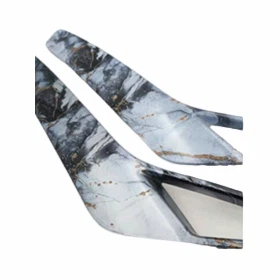
Another surface - treatment option is the application of a coating, such as titanium nitride (TiN) or chromium nitride (CrN). These coatings have high hardness, low friction coefficients, and good chemical stability. They can protect the mold surface from wear, corrosion, and adhesion, thereby extending the mold's service life. You can check out some of our products like Fisheye Terminals, where proper surface treatment has been applied to enhance their performance.
Design Optimization
The design of the stamping mold also plays a vital role in its fatigue resistance. A well - designed mold can distribute stress more evenly, reducing the concentration of stress at critical points. For example, fillets and radii should be used at sharp corners and edges. Sharp corners tend to cause stress concentration, which can accelerate fatigue cracking. By adding fillets, the stress intensity at these points can be significantly reduced.
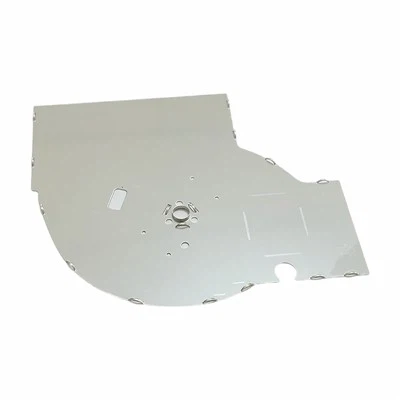
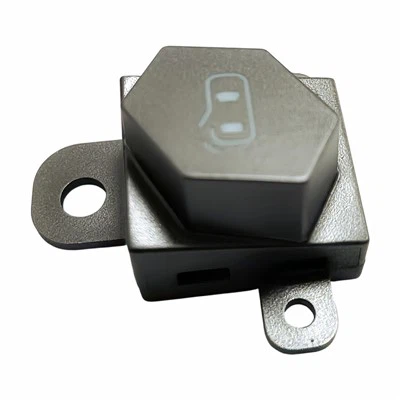
In addition, the mold structure should be designed to ensure good rigidity. A rigid mold can better withstand the forces during the stamping process without excessive deformation. This helps to maintain the accuracy of the stamping operation and reduce the fatigue damage to the mold. Check out our Silicon Steel Sheets Are Automatically Stacked and Busbar U V W products, where our optimized design has contributed to better fatigue resistance.
Maintenance and Inspection
Regular maintenance and inspection are key to ensuring the long - term fatigue resistance of stamping molds. After each stamping operation, the mold should be cleaned to remove any debris, lubricants, or metal particles. These contaminants can cause abrasion and corrosion on the mold surface, reducing its fatigue resistance.
Periodic inspection of the mold is also necessary. Visual inspection can detect surface cracks, wear, and other visible damages. Non - destructive testing methods, such as ultrasonic testing or magnetic particle testing, can be used to detect internal defects that are not visible to the naked eye. If any defects are found, appropriate repair or replacement measures should be taken in a timely manner.
Lubrication
Proper lubrication is an often - overlooked factor in improving the fatigue resistance of stamping molds. Lubricants can reduce the friction between the mold and the workpiece, which in turn reduces the stress and heat generated during the stamping process. This helps to prevent wear and cracking of the mold.
There are different types of lubricants available, such as oil - based lubricants, water - based lubricants, and dry lubricants. The choice of lubricant depends on the specific requirements of the stamping process, such as the stamping speed, the type of material being stamped, and environmental factors. The lubricant should be applied evenly and in the right amount to ensure its effectiveness.


Process Control
Controlling the stamping process parameters is also crucial for improving the fatigue resistance of stamping molds. The stamping speed, pressure, and clearance between the punch and the die all affect the stress distribution and fatigue life of the mold. For example, if the stamping speed is too high, the mold may experience excessive impact forces, leading to fatigue damage.
The pressure applied during stamping should be carefully adjusted to ensure that it is sufficient to form the part but not too high to cause overloading of the mold. The clearance between the punch and the die should be optimized to prevent excessive wear and stress concentration. By carefully controlling these process parameters, the fatigue resistance of the stamping mold can be significantly improved.
In conclusion, improving the fatigue resistance of stamping molds is a comprehensive task that involves material selection, heat treatment, surface treatment, design optimization, maintenance, lubrication, and process control. As a stamping mold supplier, we are committed to providing high - quality molds with excellent fatigue resistance. If you are interested in our stamping mold products or have any questions about improving mold fatigue resistance, feel free to contact us for procurement and negotiation.
References
- Kalpakjian, S., & Schmid, S. R. (2008). Manufacturing Engineering and Technology. Pearson Prentice Hall.
- Dieter, G. E. (1988). Mechanical Metallurgy. McGraw - Hill.