Hey there! As a supplier in the painting of metal parts business, I've seen my fair share of challenges when it comes to getting an even finish on those metal pieces. It's not always a walk in the park, but with the right know - how, you can achieve a smooth and professional - looking paint job every time.
First off, let's talk about surface preparation. This is like the foundation of a house; if it's weak, the whole thing is gonna crumble. Before you even think about picking up a paintbrush or a spray gun, you need to make sure the metal surface is clean and free of any dirt, grease, rust, or old paint.
One of the most common methods for cleaning metal is using a degreaser. You can find these at any hardware store. Just apply the degreaser to the surface, let it sit for a few minutes to break down the grease, and then wipe it off with a clean cloth. If there's rust on the metal, you'll need to use a rust remover. There are chemical rust removers that you can soak the metal parts in, or you can use a wire brush to physically scrub off the rust.
After cleaning, it's a good idea to sand the surface. Sanding helps to create a rough texture on the metal, which allows the paint to adhere better. You can start with a coarse - grit sandpaper to remove any stubborn debris and then move on to a finer - grit sandpaper for a smoother finish. Make sure to sand in one direction, and wipe away the dust with a clean, dry cloth when you're done.
Now, let's move on to choosing the right paint. Not all paints are created equal, especially when it comes to painting metal. You want to use a paint that's specifically formulated for metal surfaces. These paints usually have anti - corrosion properties and are more durable.
There are two main types of paint for metal: oil - based and water - based. Oil - based paints tend to be more durable and provide a high - gloss finish. They also dry slower, which can be an advantage in some cases as it gives you more time to work with the paint. Water - based paints, on the other hand, are more environmentally friendly, dry faster, and are easier to clean up.
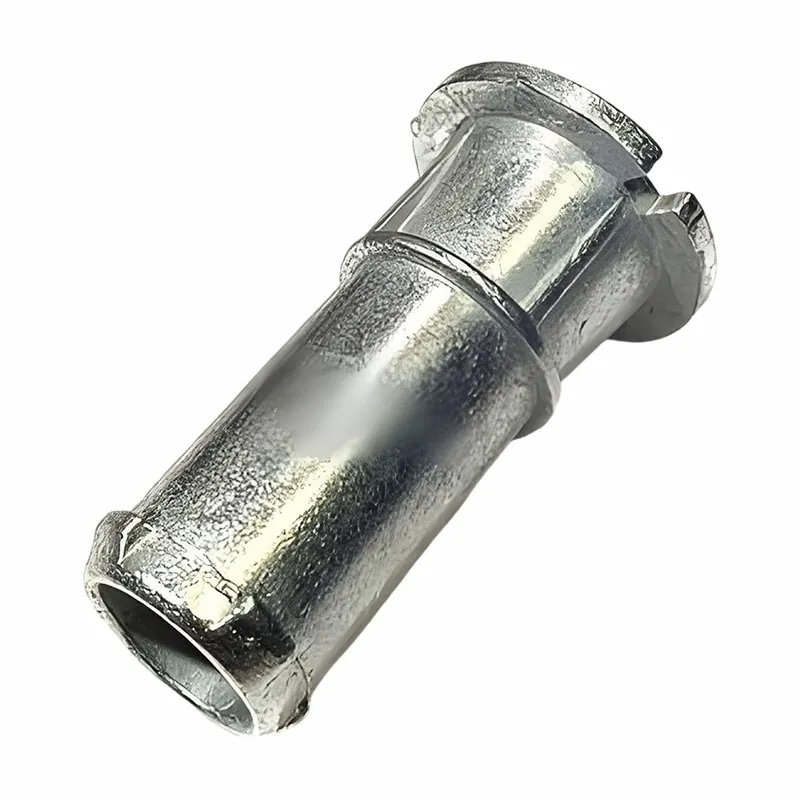
When choosing a paint color, keep in mind the end - use of the metal part. For example, if you're painting a Car Rearview Mirror Pivot, you might want a color that matches the overall aesthetic of the car.

Once you have your clean and sanded metal surface and the right paint, it's time to start painting. If you're using a spray gun, make sure to read the instructions carefully. Hold the spray gun about 8 - 10 inches away from the metal surface and move it in a smooth, even motion. Overlapping your strokes slightly will help to ensure an even coverage.
It's better to apply multiple thin coats of paint rather than one thick coat. Thick coats of paint are more likely to drip, run, or dry unevenly. Wait for each coat to dry completely before applying the next one. The drying time can vary depending on the type of paint and the temperature and humidity of the environment.
If you're using a paintbrush, choose a high - quality brush with synthetic bristles. Dip the brush into the paint, and then wipe off any excess on the edge of the paint container. Start at one end of the metal part and work your way across, using long, smooth strokes. Again, try to apply thin coats and be consistent in your brushing technique.
After you've applied the paint, it's important to let it cure properly. Curing is different from drying. Drying is when the surface of the paint is no longer wet, while curing is when the paint has fully hardened and reached its maximum durability. The curing time can take anywhere from a few days to a couple of weeks, depending on the paint.
During the curing process, make sure to keep the painted metal parts in a clean, dry environment. Avoid touching or handling the parts too much, as this can leave fingerprints or scratches on the paint.
Another factor that can affect the evenness of the finish is the temperature and humidity of the painting environment. Ideally, you should paint in an environment with a temperature between 60 - 80°F (15 - 27°C) and a humidity level of around 40 - 60%. If it's too hot, the paint can dry too quickly, leading to a rough finish. If it's too cold, the paint may not dry properly at all. High humidity can cause the paint to dry slowly and may even lead to mold or mildew growth on the painted surface.
Sometimes, even with the best preparation and painting techniques, you might encounter some problems. For example, you might notice orange - peel texture on the paint surface. This can be caused by spraying the paint too close to the surface, using too much pressure, or having the paint dry too quickly. To fix this, you can sand the surface lightly with a fine - grit sandpaper and then apply another coat of paint.
If you see bubbles in the paint, this could be due to trapped air or moisture in the paint. To prevent this, make sure to stir the paint thoroughly before using it and avoid applying the paint on a wet or humid surface. If you already have bubbles, you can pop them with a pin and then sand the area smooth before repainting.
As a supplier in the painting of metal parts, I can tell you that getting an even finish is not only about aesthetics but also about functionality. A smooth and even paint job can protect the metal from corrosion, wear, and tear, increasing its lifespan.
If you're in the market for high - quality painted metal parts or have questions about our painting process, I'd love to hear from you. Whether you need painted parts for automotive, industrial, or any other applications, we have the expertise and the tools to meet your needs. Reach out to us for a quote or to discuss your specific requirements. We're here to help you get the best - looking and longest - lasting painted metal parts possible.
References
"Painting Metal: A Complete Guide." DIY Metalworking Magazine, 2022.
"How to Achieve a Professional Finish When Painting Metal." Industrial Coating Journal, 2023.