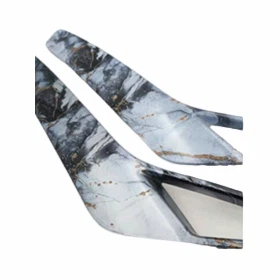
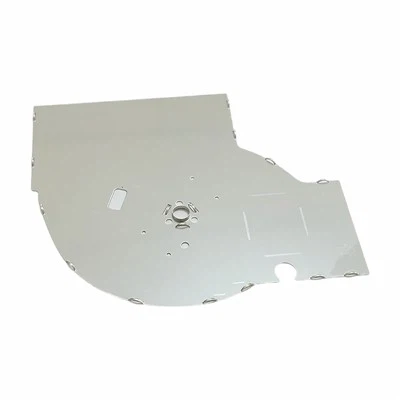
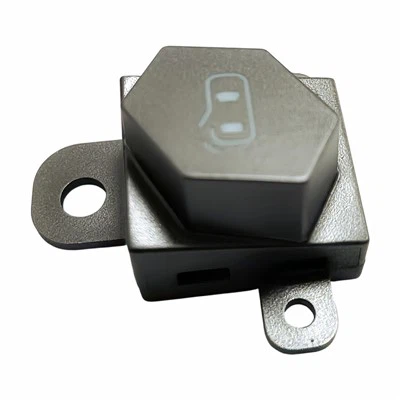
As a dedicated supplier of Car Rearview Mirror Pivot, I've witnessed firsthand the critical role these components play in vehicle safety. The rearview mirror pivot is not just a simple part but a key element that ensures drivers have a clear and adjustable view of what's behind them. In this blog, we'll explore how often a car rearview mirror pivot should be checked, delving into the factors that influence this frequency and why regular checks are essential.
The Importance of Rearview Mirror Pivots
Before we discuss the checking frequency, it's crucial to understand why rearview mirror pivots are so important. A well - functioning pivot allows drivers to adjust their rearview mirrors to eliminate blind spots, providing a clear view of traffic, pedestrians, and other potential hazards. This is especially vital during lane changes, reversing, and parking. A faulty pivot can lead to a mirror that won't stay in place or can't be adjusted properly, significantly increasing the risk of accidents.
Factors Affecting the Checking Frequency
Several factors determine how often a car rearview mirror pivot should be checked. These include the vehicle's usage, driving conditions, and the quality of the pivot itself.
Vehicle Usage
- Daily Commuting: If you use your car for daily commuting, especially in heavy traffic, the rearview mirror is likely to be adjusted frequently. This constant movement can put stress on the pivot, increasing the likelihood of wear and tear. In such cases, it's advisable to check the pivot at least once every three months.
- Occasional Use: For vehicles that are used less frequently, such as weekend cars or those used for short trips, the pivot may not experience as much stress. However, it's still important to perform a check at least twice a year to ensure everything is in working order.
Driving Conditions
- Rough Roads: Driving on rough or unpaved roads can subject the vehicle to more vibrations and shocks. These forces can cause the pivot to loosen or become misaligned over time. If you frequently drive on such roads, it's recommended to check the pivot every two months.
- Extreme Weather: Extreme temperatures, whether hot or cold, can also affect the performance of the rearview mirror pivot. In areas with harsh winters, for example, the pivot may become stiff or brittle due to the cold. Conversely, in hot climates, the materials may expand and contract, leading to potential damage. In these conditions, monthly checks may be necessary.
Pivot Quality
- High - Quality Pivots: High - quality rearview mirror pivots are designed to withstand more wear and tear. They are often made from durable materials and have better manufacturing processes. If your vehicle is equipped with a high - quality pivot, you may be able to extend the checking interval to every six months.
- Low - Quality Pivots: On the other hand, low - quality pivots are more prone to failure. They may be made from inferior materials or have poor construction, which can lead to premature wear. If you suspect your vehicle has a low - quality pivot, it's best to check it monthly.
Signs That a Rearview Mirror Pivot Needs Checking
In addition to following a regular checking schedule, it's important to be aware of the signs that indicate a problem with the rearview mirror pivot. These signs include:
- Difficulty Adjusting the Mirror: If you find it hard to move the rearview mirror or if it doesn't stay in place after adjustment, this could be a sign of a faulty pivot.
- Loose or Wobbly Mirror: A mirror that feels loose or wobbles when the vehicle is in motion is another indication that the pivot needs attention.
- Strange Noises: Any unusual noises, such as clicking or grinding, when adjusting the mirror may suggest that the pivot is damaged.
How to Check the Rearview Mirror Pivot
Checking the rearview mirror pivot is a relatively simple process that can be done at home with basic tools. Here's a step - by - step guide:
- Visual Inspection: Start by visually examining the pivot for any signs of damage, such as cracks, breaks, or corrosion. Look for loose parts or any visible wear on the moving components.
- Function Test: Try adjusting the rearview mirror in all directions. Pay attention to how smoothly it moves and whether it stays in place once adjusted. If there is any resistance or if the mirror doesn't hold its position, there may be an issue with the pivot.
- Tightening: If you notice that the pivot is loose, you can try tightening any screws or bolts that hold it in place. However, be careful not to overtighten, as this can cause further damage.
The Consequences of Neglecting Pivot Checks
Neglecting to check the rearview mirror pivot regularly can have serious consequences. A faulty pivot can lead to a mirror that is difficult to adjust or that falls out of place while driving. This can distract the driver and reduce their ability to see what's behind them, increasing the risk of accidents. In addition, a damaged pivot may require more extensive repairs or even replacement, which can be costly.
Why Choose Our Car Rearview Mirror Pivots
As a leading supplier of Car Rearview Mirror Pivot, we take pride in offering high - quality products that are designed to last. Our pivots are made from premium materials and undergo rigorous testing to ensure they meet the highest standards of performance and durability. Whether you need a pivot for a daily commuter or a specialty vehicle, we have the right solution for you.
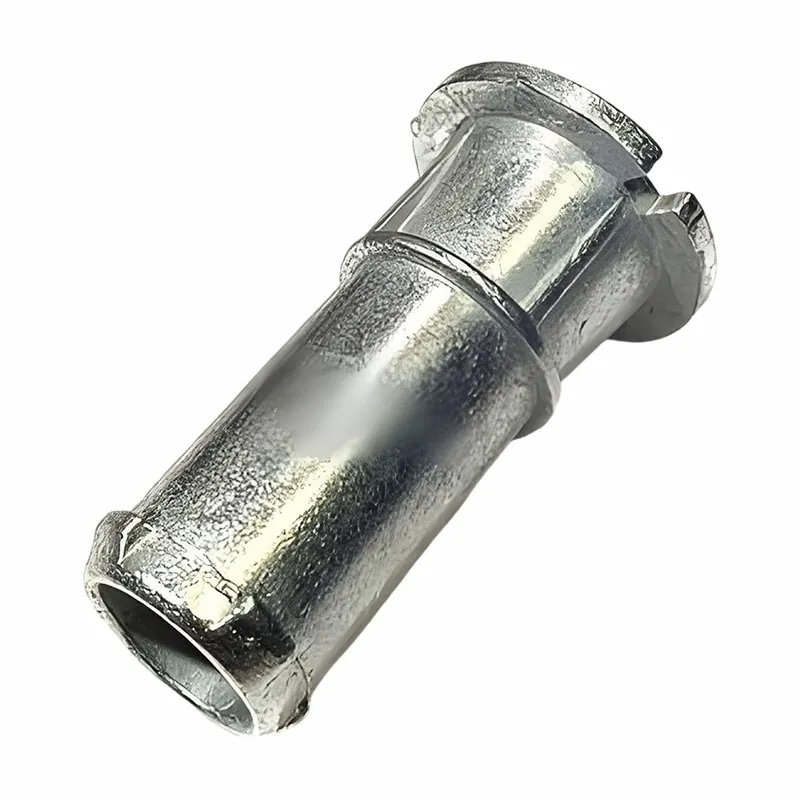

If you're in the market for a reliable rearview mirror pivot or if you have any questions about maintenance and checking frequencies, we encourage you to reach out to us. Our team of experts is ready to assist you with your purchasing needs and provide you with the information you need to keep your vehicle safe on the road.
References
- Automotive Maintenance Handbook, Third Edition.
- Vehicle Safety Standards and Guidelines, National Highway Traffic Safety Administration.