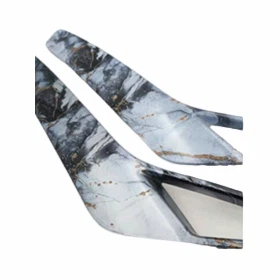
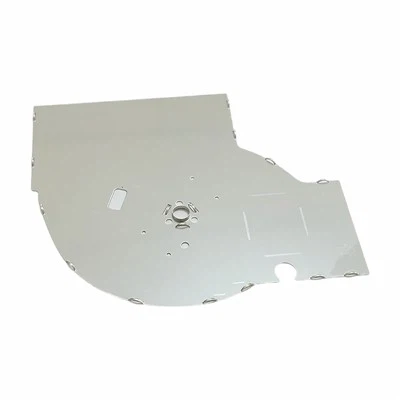
Hey there! As a supplier of Server Cooling Impellers, I've been in the thick of understanding how blade design can really shake up the performance of these crucial components. In this blog, I'm gonna break down the nitty - gritty of how different blade designs impact the overall performance of server cooling impellers.
First off, let's talk about the basics. Server cooling impellers are like the heart of the server cooling system. They're responsible for moving air around the server components, keeping everything from overheating. And the blade design is what makes them tick.
Blade Shape
One of the most significant factors in blade design is the shape. There are different types of blade shapes out there, like backward - curved, forward - curved, and radial blades.
Backward - curved blades are quite popular. They're efficient because they can generate high airflow with relatively low power consumption. The way they're curved helps to reduce turbulence as the air moves over them. This means less energy is wasted in creating chaotic air movement, and more energy is used to actually push the air through the system. For example, in a large data center where energy costs can be a major concern, using server cooling impellers with backward - curved blades can lead to significant savings in the long run. You can check out our Server Cooling Impeller options that feature this efficient blade design.
Forward - curved blades, on the other hand, are known for generating high pressure. They're great for applications where you need to force air through a tight space or a system with a lot of resistance. However, they tend to be less efficient than backward - curved blades. They can consume more power because they create more turbulence as the air moves over them. But in some cases, like when you're dealing with a server layout that has restricted airflow paths, forward - curved blades might be the way to go.
Radial blades are a bit of a middle - ground. They offer a balance between airflow and pressure. They're simple in design and can be cost - effective to manufacture. They're often used in smaller servers or in systems where you don't need extremely high airflow or pressure. If you're looking for a more budget - friendly option without sacrificing too much on performance, our Pad Mini Cooling Impeller with radial blade design could be a good fit.
Blade Angle
The angle of the blades also plays a huge role in performance. A blade with a steeper angle can generate more pressure, but it might also increase the power consumption. A shallower angle, on the other hand, can provide better airflow but might not be as effective at pushing air through a system with high resistance.
When we design our server cooling impellers, we carefully consider the blade angle based on the intended application. For a server that's part of a high - density data center, we might use a steeper blade angle to ensure that the impeller can overcome the resistance created by the tightly packed components. But for a smaller server in a less crowded environment, a shallower blade angle can be used to optimize airflow and energy efficiency.
Blade Number
The number of blades on an impeller is another important aspect. More blades can generally increase the pressure and the smoothness of the airflow. With more blades, the impeller can capture and move more air with each rotation. However, adding too many blades can also increase the weight of the impeller and the power required to spin it.
On the other hand, fewer blades can reduce the weight and power consumption, but they might not be as effective at generating high pressure or a smooth airflow. It's all about finding the right balance. We've done a lot of testing to determine the optimal number of blades for different types of server cooling impellers. Whether you need a high - pressure impeller for a complex server setup or a more energy - efficient one for a smaller server, we've got the right blade number configuration for you.
Blade Material
The material of the blades can also impact performance. Common materials for server cooling impellers include plastics and metals.

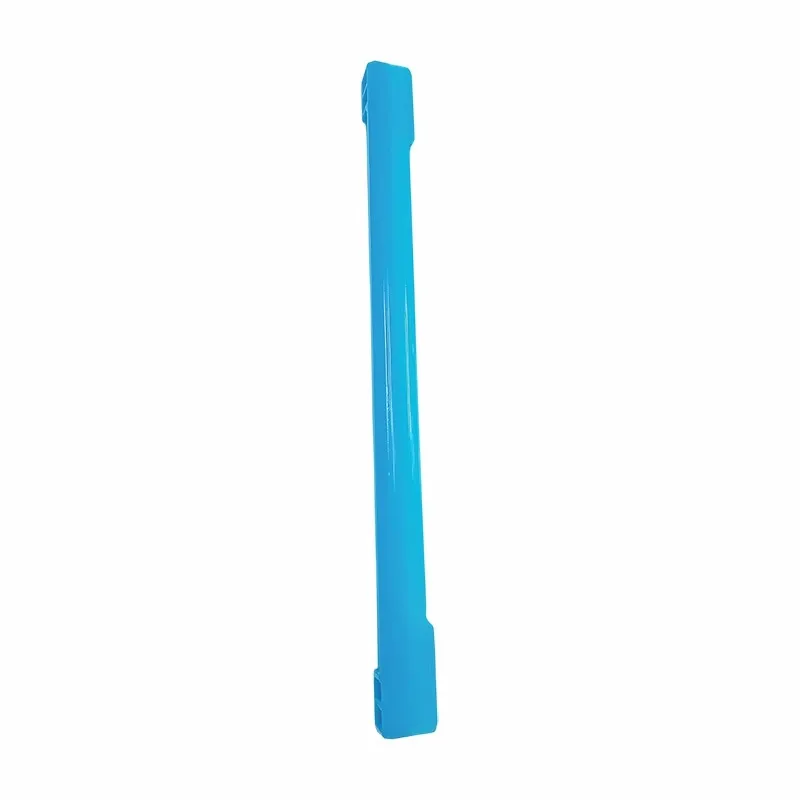
Plastic blades are lightweight, which means they require less power to spin. They're also corrosion - resistant and can be molded into complex shapes easily. This makes them a popular choice for many server cooling applications. Our Plastic Rail Transit Bearing Cage uses high - quality plastic materials that are also suitable for our impeller blades. The lightweight nature of plastic blades helps to improve the overall energy efficiency of the impeller.
Metal blades, on the other hand, are more durable and can withstand higher temperatures. They're often used in high - performance servers or in environments where the impeller might be exposed to harsh conditions. However, they're heavier than plastic blades and can consume more power.
Impact on Noise
Blade design also has a big impact on the noise level of the server cooling impeller. Turbulence created by the blades can cause noise. As I mentioned earlier, backward - curved blades tend to create less turbulence, so they're generally quieter than forward - curved blades.
When designing our impellers, we take noise reduction into account. We use advanced blade designs and materials to minimize turbulence and reduce noise. This is especially important in data centers where a quiet environment is desired for the comfort of the staff and to avoid interference with other equipment.
Real - World Performance
In the real world, the performance of a server cooling impeller can make or break a server system. A poorly designed impeller can lead to overheating, which can cause server downtime and hardware damage. On the other hand, a well - designed impeller can keep the server running smoothly, improve its lifespan, and reduce energy costs.
We've had many customers who have switched to our server cooling impellers and noticed a significant improvement in their server performance. They've reported lower temperatures, reduced energy consumption, and less maintenance. Whether you're running a small business server or a large - scale data center, the right blade design can make all the difference.
Conclusion
So, as you can see, the blade design of a server cooling impeller has a profound impact on its performance. From the shape and angle of the blades to the number of blades and the material they're made of, every aspect matters. At our company, we've spent years perfecting these designs to offer the best possible server cooling solutions.
If you're in the market for server cooling impellers, we'd love to talk to you. Whether you need a custom - designed impeller for a specific application or you're looking for a standard option, we've got you covered. Reach out to us to start a conversation about your needs and how our server cooling impellers can improve your server performance.
References
- "Fluid Mechanics for Engineers" by Frank M. White
- "Thermal Management of Electronic Systems" by Avram Bar - Cohen