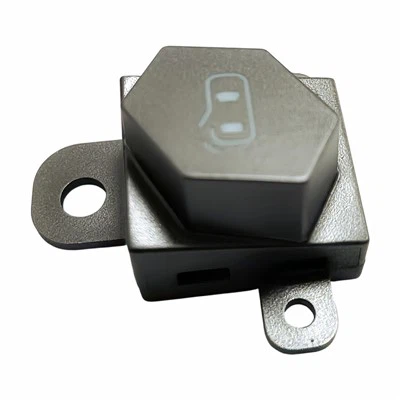
Can Fisheye Terminals be powered by batteries?
As a supplier of Fisheye Terminals, I've been frequently asked whether these terminals can be powered by batteries. This is a question that delves into the intersection of electrical engineering, battery technology, and the specific applications of Fisheye Terminals. In this blog, I'll explore this topic in detail, providing insights based on scientific knowledge and practical experience.
Understanding Fisheye Terminals
First, let's briefly introduce Fisheye Terminals. Fisheye Terminals, as you can learn more about on Fisheye Terminals, are essential components in electrical systems. They are designed to provide a reliable connection between conductors, often used in applications where a secure and stable electrical connection is crucial. Their unique shape, resembling a fisheye, allows for easy installation and a good fit with various types of conductors.
Battery Basics
To understand whether Fisheye Terminals can be powered by batteries, we need to have a basic understanding of batteries. Batteries are energy storage devices that convert chemical energy into electrical energy. They come in different types, such as alkaline batteries, lithium - ion batteries, lead - acid batteries, etc. Each type has its own characteristics, including voltage, capacity, and discharge rate.
For example, alkaline batteries are commonly used in household devices. They typically have a nominal voltage of 1.5 volts per cell. Lithium - ion batteries, on the other hand, are widely used in portable electronics and electric vehicles due to their high energy density and long cycle life. They usually have a voltage of around 3.7 volts per cell.
Compatibility of Fisheye Terminals with Batteries
The key factor in determining whether Fisheye Terminals can be powered by batteries is their compatibility. This mainly involves two aspects: electrical compatibility and physical compatibility.
Electrical Compatibility
Fisheye Terminals need to be able to handle the voltage and current provided by the battery. The voltage rating of the Fisheye Terminal must be equal to or higher than the battery voltage. If the voltage rating of the terminal is lower than the battery voltage, it may lead to over - voltage damage, such as insulation breakdown or arcing.
The current - carrying capacity of the Fisheye Terminal is also crucial. Batteries can supply different amounts of current depending on their capacity and the load connected to them. The Fisheye Terminal should be able to carry the maximum current that the battery can supply without overheating. Overheating can cause the terminal to lose its mechanical integrity and electrical conductivity, leading to a poor connection or even a fire hazard.
For example, in a small - scale battery - powered device like a remote control, the current demand is relatively low. A Fisheye Terminal with a low current - carrying capacity may be sufficient. However, in a high - power application such as an electric tool, a battery may supply a large amount of current, and a Fisheye Terminal with a high current - carrying capacity is required.
Physical Compatibility
Physically, the Fisheye Terminal should be able to be properly connected to the battery. This includes the size and shape of the terminal and the battery terminals. The terminal should fit snugly onto the battery terminals to ensure a good electrical contact. If the fit is loose, it can result in increased resistance, which in turn leads to power loss and overheating.
Some batteries have specific terminal designs, such as flat terminals or cylindrical terminals. Fisheye Terminals need to be designed to accommodate these different types of battery terminals. For instance, Silicon Steel Sheets Are Automatically Stacked may involve the use of Fisheye Terminals in a system where physical compatibility with battery terminals is carefully considered during the design process.
Applications of Battery - Powered Fisheye Terminals
There are many applications where Fisheye Terminals can be powered by batteries.
Portable Electronics
In portable electronics such as smartphones, tablets, and laptops, lithium - ion batteries are commonly used. Fisheye Terminals can be used to connect the battery to the circuit board, providing a reliable power connection. The small size and good electrical conductivity of Fisheye Terminals make them suitable for these compact devices.
Electric Vehicles
Electric vehicles use large - capacity lithium - ion battery packs. Fisheye Terminals can be used in the battery management system to connect different battery cells and modules. They need to be able to handle high currents and high voltages. In addition, they play an important role in ensuring the safety and reliability of the electrical connection in the vehicle's power system.
Renewable Energy Storage Systems
Renewable energy storage systems, such as solar energy storage systems, often use batteries to store the energy generated by solar panels. Fisheye Terminals can be used to connect the batteries to the inverter and other components in the system. They help to transfer the electrical energy from the batteries to the load efficiently.
Considerations for Using Battery - Powered Fisheye Terminals
When using Fisheye Terminals powered by batteries, there are several considerations.
Temperature
Temperature can have a significant impact on the performance of both batteries and Fisheye Terminals. Batteries may have reduced capacity and performance at low temperatures and may be at risk of overheating at high temperatures. Fisheye Terminals also need to be able to operate within a certain temperature range. High temperatures can cause the terminal material to expand, which may affect the fit and electrical contact.
Maintenance
Regular maintenance is important to ensure the long - term performance of battery - powered Fisheye Terminals. This includes checking the connection for tightness, inspecting the terminals for signs of corrosion or damage, and cleaning the terminals if necessary. Corrosion can increase the resistance of the terminal, leading to power loss and potential failure.
Safety
Safety is always a top priority when dealing with battery - powered systems. Fisheye Terminals should be installed and used in accordance with safety standards. This includes proper insulation, grounding, and protection against short - circuits. In addition, the battery should be protected from over - charging and over - discharging to prevent damage to the battery and the Fisheye Terminals.
Conclusion
In conclusion, Fisheye Terminals can be powered by batteries, but it is essential to ensure both electrical and physical compatibility. With the right selection and proper installation, Fisheye Terminals can provide a reliable power connection in a wide range of battery - powered applications, from small - scale portable devices to large - scale electric vehicles and renewable energy storage systems.
If you are interested in purchasing Fisheye Terminals for your battery - powered projects, or if you have any questions about their compatibility with specific batteries, please feel free to contact us for more information. We are committed to providing high - quality Fisheye Terminals and professional technical support to meet your needs. You can also explore related products like Busbar U V W for your electrical system requirements.


References
- "Battery Technology Handbook" by David Linden
- "Electrical Engineering Handbook" by Richard C. Dorf