Hey there! As a supplier specializing in the coating of plastic parts, I often get asked a bunch of questions. One question that pops up quite a bit is, "Can coating increase the surface hardness of plastic parts?" Well, let's dig into this topic and find out.
First off, let's talk a bit about plastic parts. Plastics are super versatile. They're used in all sorts of industries, from automotive to consumer goods. But one of the downsides of plastics is that they can be relatively soft compared to materials like metals. This softness can lead to scratches, abrasions, and general wear and tear over time. That's where coating comes in.
Coating plastic parts is like giving them a protective shield. There are different types of coatings available, and each has its own set of properties. Some coatings are designed to be hard and durable, which can significantly increase the surface hardness of plastic parts.
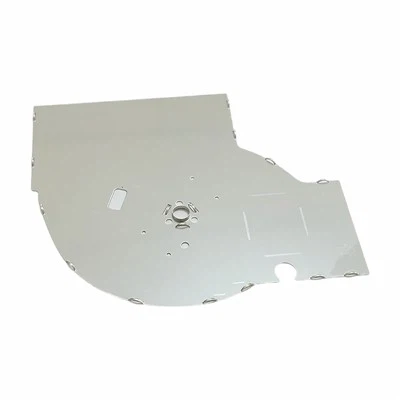
For example, there are ceramic coatings. These coatings are known for their high hardness and excellent wear resistance. When applied to plastic parts, they form a tough, protective layer that can withstand a lot of abuse. Think about Automotive Interior Parts. The dashboard, door panels, and other interior components are constantly exposed to friction from people getting in and out of the car, as well as from daily use. A ceramic coating on these plastic parts can make them much more resistant to scratches and scuffs, keeping them looking new for longer.
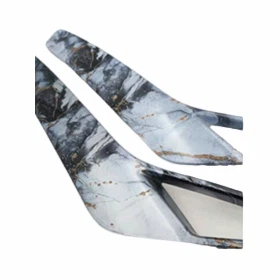
Another type of coating is the polyurethane coating. Polyurethane coatings are also quite popular because they offer a good balance of hardness and flexibility. They can adhere well to plastic surfaces and provide a smooth, glossy finish. This type of coating is often used on Automotive Exterior Components like bumpers and side mirrors. The exterior of a car is exposed to all sorts of elements, including rocks, dirt, and UV rays. A polyurethane coating can protect the plastic parts from damage caused by these elements and also enhance their appearance.
Now, let's get into the science behind how coating increases the surface hardness of plastic parts. When a coating is applied to a plastic surface, it fills in the tiny pores and irregularities on the surface. This creates a more uniform and smooth surface, which in turn increases the hardness. Additionally, the coating itself has its own inherent hardness. When it bonds with the plastic, it transfers some of its hardness to the plastic part.
The application process also plays a crucial role. For the coating to work effectively, it needs to be applied evenly and at the right thickness. If the coating is too thin, it may not provide enough protection. On the other hand, if it's too thick, it can cause problems like cracking or peeling. That's why it's important to work with a professional coating supplier who has the expertise and experience to apply the coating correctly.
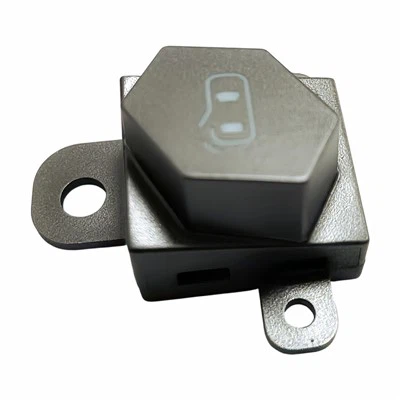
Let's take a look at some real - world examples. In the automotive industry, car manufacturers are always looking for ways to improve the quality and durability of their vehicles. Car Door Parts are a great example. The plastic parts on car doors are often exposed to a lot of impact and friction. By applying a hard - coating to these parts, the car doors can last longer and look better.


In the consumer goods industry, plastic products like smartphones and laptops also benefit from coating. The plastic casings of these devices are prone to scratches and damage. A coating can not only increase the surface hardness but also make the devices more resistant to fingerprints and smudges.
But it's not all sunshine and rainbows. There are some limitations to coating plastic parts. For example, not all plastics are suitable for all types of coatings. Some plastics may have a low surface energy, which makes it difficult for the coating to adhere properly. In these cases, additional surface treatment may be required before applying the coating.
Also, the cost of coating can be a factor. High - quality coatings can be expensive, and the application process may also add to the overall cost. However, when you consider the long - term benefits of increased durability and improved appearance, the cost can often be justified.
So, to answer the question "Can coating increase the surface hardness of plastic parts?" The answer is a resounding yes. Coating can significantly increase the surface hardness of plastic parts, providing protection against scratches, abrasions, and other types of damage. Whether you're in the automotive industry, consumer goods industry, or any other industry that uses plastic parts, coating is definitely something to consider.
If you're looking for a reliable coating solution for your plastic parts, don't hesitate to reach out. We have a wide range of coating options available, and our team of experts can help you choose the right coating for your specific needs. Whether it's for Automotive Interior Parts, Automotive Exterior Components, or Car Door Parts, we've got you covered. Let's start a conversation and see how we can work together to improve the quality and durability of your plastic parts.
References
- "Plastics in Automotive Applications" - A research report on the use of plastics in the automotive industry.
- "Coating Technology for Plastics" - A technical guide on different coating methods and materials for plastics.