Can Coating Enhance the Weatherability of Plastic Parts?
In the dynamic realm of plastic manufacturing, the question of whether coating can enhance the weatherability of plastic parts is both timely and crucial. As a seasoned coating of plastic parts supplier, I've witnessed firsthand the transformative power of coatings in protecting plastic components from the harsh forces of nature. This blog post delves into the science behind coating, its impact on weatherability, and how it benefits various plastic applications.
Understanding Weatherability and Its Challenges
Weatherability refers to a material's ability to withstand the effects of weather conditions such as sunlight, moisture, temperature fluctuations, and pollution over an extended period. Plastic parts, while versatile and cost - effective, often face challenges when exposed to these elements.
Sunlight, particularly ultraviolet (UV) radiation, can cause plastic to degrade. UV rays break down the chemical bonds in the plastic, leading to discoloration, embrittlement, and a loss of mechanical properties. Moisture can penetrate the plastic, causing swelling, warping, and the growth of mold and mildew. Temperature changes can also lead to expansion and contraction, which may result in cracking or deformation of the plastic parts.
The Role of Coating in Enhancing Weatherability
Coatings act as a protective shield for plastic parts, mitigating the negative effects of weathering. There are several types of coatings that can be applied to plastic, each with its own set of properties and benefits.
- UV - Resistant Coatings: These coatings contain UV absorbers or blockers that prevent UV radiation from reaching the plastic substrate. By absorbing or reflecting UV rays, they significantly reduce the risk of discoloration and degradation. For example, in outdoor plastic furniture, a UV - resistant coating can keep the furniture looking new for years, even under intense sunlight.
- Water - Repellent Coatings: Water - repellent coatings create a hydrophobic surface on the plastic, preventing water from adhering to the part. This reduces the risk of water - related damage such as swelling, warping, and mold growth. In applications where plastic parts are exposed to rain or high humidity, like Automotive Interior Parts, a water - repellent coating can maintain the integrity and appearance of the parts.
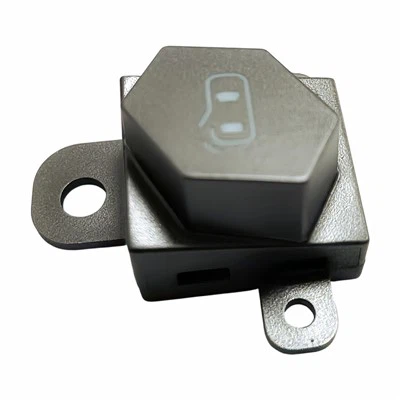
- Thermal - Insulating Coatings: These coatings help to regulate the temperature of the plastic parts by reducing heat transfer. They can protect the plastic from the damage caused by extreme temperature changes. In automotive applications, thermal - insulating coatings can be applied to Car Door Parts to prevent cracking due to rapid temperature fluctuations.
Case Studies: Coating in Real - World Applications
Let's take a look at some real - world examples where coating has enhanced the weatherability of plastic parts.
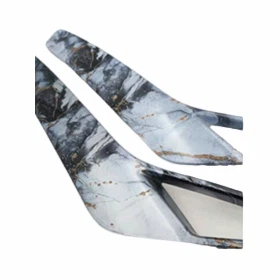
- Automotive Industry: In the automotive sector, plastic parts are used extensively for both interior and exterior applications. Exterior plastic components such as bumpers and grilles are exposed to sunlight, rain, and road debris. A high - quality coating can protect these parts from UV damage, chipping, and corrosion. Interior plastic parts, like dashboard panels and door trims, are also vulnerable to weathering, especially from sunlight and humidity. By applying a suitable coating, manufacturers can ensure that these parts maintain their appearance and functionality over the life of the vehicle. Car Ambient Light Parts are another example where coating can enhance the weatherability, protecting the delicate plastic from environmental factors and ensuring consistent lighting performance.
- Outdoor Electronics: Plastic enclosures for outdoor electronics such as solar panels, security cameras, and wireless routers need to withstand harsh weather conditions. A coating can protect these enclosures from UV radiation, moisture, and temperature extremes, ensuring the longevity and reliability of the electronics inside.
- Building and Construction: In the building and construction industry, plastic parts are used for window frames, siding, and roofing. Coating these parts can enhance their weatherability, making them more resistant to fading, cracking, and water damage. This not only improves the aesthetic appeal of the building but also reduces maintenance costs over time.
The Coating Process
The coating process for plastic parts involves several steps to ensure a high - quality and durable finish.
- Surface Preparation: The plastic surface must be thoroughly cleaned and prepared before coating. This may involve degreasing, sanding, or applying a primer to improve adhesion.
- Coating Application: The coating can be applied using various methods, such as spraying, dipping, or brushing. The choice of application method depends on the type of coating, the shape and size of the plastic part, and the desired finish.
- Curing: After the coating is applied, it needs to be cured to form a hard and durable film. Curing can be achieved through heat, UV light, or air - drying, depending on the coating formulation.
Benefits of Working with a Professional Coating Supplier
As a coating of plastic parts supplier, we bring a wealth of expertise and experience to the table.


- Customized Solutions: We understand that different plastic applications have different requirements. We can develop customized coating solutions based on the specific needs of your plastic parts, ensuring optimal weatherability and performance.
- Quality Assurance: We adhere to strict quality control standards throughout the coating process. Our coatings are tested for adhesion, durability, and weather resistance to ensure that they meet or exceed industry standards.
- Technical Support: Our team of experts is available to provide technical support and advice. Whether you have questions about coating selection, application, or curing, we can offer the guidance you need to achieve the best results.
Conclusion
In conclusion, coating can significantly enhance the weatherability of plastic parts. By providing a protective barrier against UV radiation, moisture, and temperature changes, coatings extend the lifespan of plastic components, improve their appearance, and reduce maintenance costs. Whether you're in the automotive, electronics, or building and construction industry, investing in high - quality coatings for your plastic parts is a wise decision.
If you're interested in learning more about how our coating solutions can enhance the weatherability of your plastic parts, or if you're ready to start a procurement discussion, we'd love to hear from you. Contact us today to explore the possibilities and take the first step towards better - protected plastic parts.
References
- ASTM International. (2019). Standard Test Methods for Evaluating the Durability of Nonmetallic Materials Exposed to Outdoor Weathering Conditions. ASTM G7 - 19.
- Wypych, G. (2019). Handbook of Polyolefins. Second Edition. ChemTec Publishing.
- Billmeyer, F. W., & Saltzman, M. (1999). Principles of Polymer Science. Fourth Edition. Wiley - Interscience.