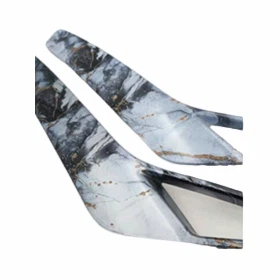
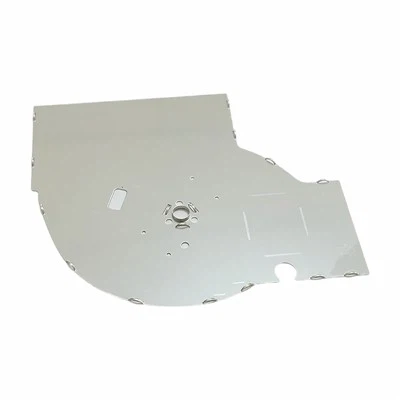
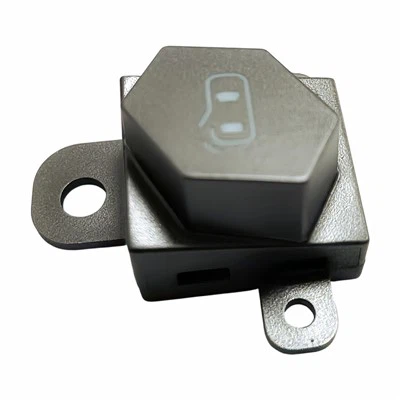
Hey there! As a supplier of coating for plastic parts, I often get asked about the weathering resistance of our coatings. It's a super important topic, especially when you think about all the plastic parts out there that are constantly exposed to the elements. So, let's dive right in and talk about what weathering resistance means for coatings on plastic parts.
What is Weathering?
First things first, we need to understand what weathering is. Weathering refers to the process by which materials are broken down or altered by environmental factors. For plastic parts, these factors can include sunlight (specifically, ultraviolet or UV radiation), temperature changes, humidity, rain, snow, and even pollutants in the air.
When plastic parts are exposed to these elements over time, they can start to show signs of wear and tear. The plastic might become brittle, discolor, or develop cracks. That's where our coatings come in. Our goal is to protect the plastic parts from these weathering effects, so they can look good and function properly for as long as possible.
Why is Weathering Resistance Important for Plastic Parts?
You might be wondering why weathering resistance is such a big deal. Well, there are a few reasons.
Appearance
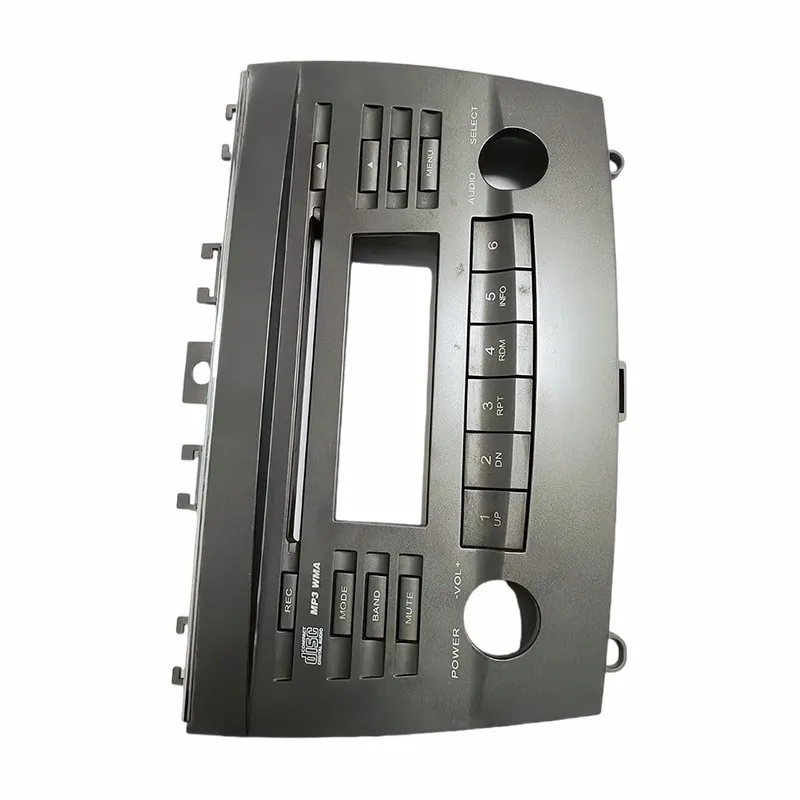
Let's start with appearance. No one wants a plastic part that looks old and faded after just a few months. Whether it's a Car Door Parts or a Car Central Control Panel, people expect it to maintain its original color and finish. Our coatings can help prevent discoloration and keep the plastic looking fresh and new.
Durability
Durability is another key factor. Plastic parts that are exposed to the elements need to be able to withstand the test of time. Without proper protection, they can become weak and break easily. Our weather-resistant coatings add an extra layer of strength to the plastic, making it more resistant to cracking, chipping, and other forms of damage.
Functionality
Finally, functionality is crucial. In some cases, weathering can affect the performance of plastic parts. For example, if a plastic seal on a Automotive Exterior Components becomes brittle due to UV exposure, it might not seal properly, leading to leaks. Our coatings help ensure that the plastic parts continue to function as intended, even in harsh environments.
How Do Our Coatings Provide Weathering Resistance?
So, how exactly do our coatings protect plastic parts from weathering? It all comes down to the materials and technology we use.
UV Protection
One of the main culprits of weathering is UV radiation from the sun. Our coatings contain special UV absorbers that act like a shield, blocking the harmful UV rays from reaching the plastic. This helps prevent the plastic from breaking down and discoloring over time.
Moisture Resistance
Moisture can also cause problems for plastic parts. It can lead to swelling, warping, and the growth of mold and mildew. Our coatings are designed to be water-resistant, creating a barrier that keeps moisture out. This helps maintain the integrity of the plastic and prevents damage.
Temperature Resistance
Temperature changes can put a lot of stress on plastic parts. Extreme heat or cold can cause the plastic to expand or contract, leading to cracks and other issues. Our coatings are formulated to have good temperature resistance, allowing them to withstand a wide range of temperatures without losing their protective properties.
Testing and Quality Assurance
We take the weathering resistance of our coatings very seriously. That's why we conduct extensive testing to ensure that they meet the highest standards.
Accelerated Weathering Tests
One of the ways we test our coatings is through accelerated weathering tests. These tests simulate years of real-world weathering in a matter of weeks or months. We expose the coated plastic parts to high levels of UV radiation, heat, humidity, and other environmental factors to see how they hold up. By analyzing the results of these tests, we can make any necessary adjustments to our coatings to improve their performance.
Real-World Testing
In addition to accelerated weathering tests, we also conduct real-world testing. We install our coated plastic parts in various applications and monitor them over time to see how they perform in actual use. This helps us validate the results of our accelerated tests and ensure that our coatings are truly effective in the real world.
Different Applications and Their Weathering Requirements
The weathering requirements for plastic parts can vary depending on their application. Let's take a look at a few examples.
Automotive Industry
In the automotive industry, plastic parts are exposed to a wide range of environmental conditions. They need to be able to withstand intense sunlight, rain, snow, and road salt. Our coatings for Car Door Parts and Automotive Exterior Components are specifically formulated to meet these demanding requirements. They provide excellent UV protection, moisture resistance, and scratch resistance to keep the plastic parts looking and performing their best.
Outdoor Furniture
Outdoor furniture is another application where weathering resistance is crucial. It's constantly exposed to the elements, so it needs to be able to withstand years of sun, rain, and wind. Our coatings for outdoor plastic furniture are designed to be durable and fade-resistant, ensuring that the furniture looks great for a long time.
Electronic Devices
Even electronic devices can benefit from weathering-resistant coatings. Plastic parts in electronic devices, such as Car Central Control Panel, need to be protected from moisture, dust, and UV radiation. Our coatings can help prevent damage to these parts and extend the lifespan of the devices.
Choosing the Right Coating for Your Plastic Parts
When it comes to choosing the right coating for your plastic parts, there are a few things to consider.

Application
First, think about the application of the plastic part. What kind of environmental conditions will it be exposed to? This will help you determine the level of weathering resistance you need.
Material
The type of plastic material also matters. Different plastics have different properties, and some may require a specific type of coating. Our team of experts can help you choose the coating that is best suited for your plastic material.
Aesthetic Requirements
Finally, consider the aesthetic requirements. Do you want the coating to be clear, colored, or have a specific finish? We offer a variety of coating options to meet your aesthetic needs while still providing excellent weathering resistance.
Conclusion
In conclusion, the weathering resistance of coatings on plastic parts is essential for maintaining their appearance, durability, and functionality. Our coatings are designed to provide superior protection against UV radiation, moisture, temperature changes, and other environmental factors. Through extensive testing and quality assurance, we ensure that our coatings meet the highest standards and perform well in real-world applications.
If you're in the market for high-quality coating for your plastic parts, we'd love to talk to you. Whether you're in the automotive industry, outdoor furniture business, or any other industry that uses plastic parts, we have the expertise and products to meet your needs. Contact us today to discuss your requirements and let's work together to find the perfect coating solution for your plastic parts.
References
- ASTM International. (2023). Standard practices for operating light-exposure apparatus (fluorescent UV and condensation type) for exposure of nonmetallic materials.
- ISO. (2022). Plastics - Methods of exposure to laboratory light sources.