Hey there! As a supplier of precision plastic molds, I've had the chance to work on projects across different industries. One question that often pops up is: What are the differences between precision plastic molds for consumer electronics and other industries? Well, let's dive right in and explore this topic.
Design Complexity
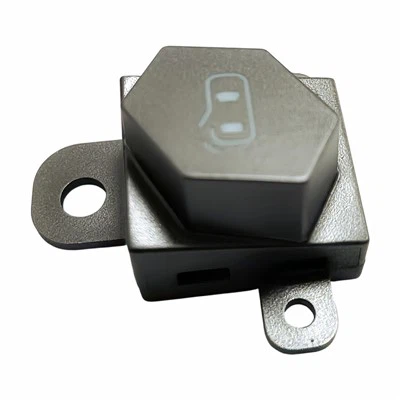
First off, design complexity is a major differentiator. In the consumer electronics industry, devices are getting smaller, lighter, and more feature - packed. This means that the precision plastic molds for consumer electronics need to be incredibly detailed. For example, think about the sleek and thin design of a smartphone. The molds used to create its casing must be able to produce parts with extremely tight tolerances. Even a tiny deviation can affect the fit of internal components or the overall aesthetics of the device.
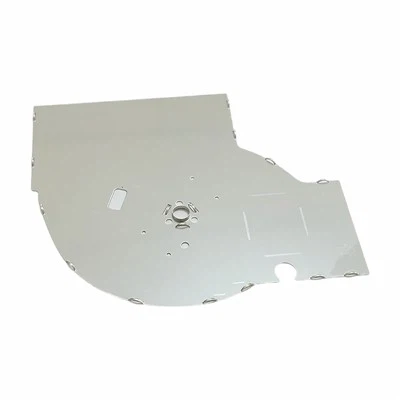
On the other hand, molds for some other industries might not require such high - level precision in terms of design. Take the automotive industry, for instance. While automotive parts do need to meet certain standards, the design requirements are often more focused on functionality and durability. The Automobile Air Conditioner Cooling Impeller is a great example. It needs to be able to withstand high - speed rotation and different temperature conditions, but the level of miniaturization and intricate detailing is not as extreme as in consumer electronics.
Material Requirements
Material selection is another key difference. Consumer electronics molds usually work with high - performance plastics that offer good electrical insulation, heat resistance, and mechanical strength. These materials need to be able to protect the sensitive electronic components inside the device. For example, polycarbonate is a popular choice because it is tough, transparent, and can be easily molded into complex shapes.
In contrast, other industries may use different types of plastics based on their specific needs. In the household appliances industry, the Household Appliances Cooling Impeller might be made from a plastic that is more resistant to chemicals and moisture. Since household appliances are often exposed to water and cleaning agents, the material needs to be able to withstand these conditions without degrading.
Production Volume
Production volume also varies significantly between consumer electronics and other industries. The consumer electronics market is huge, and products like smartphones and tablets are produced in massive quantities. This means that precision plastic molds for consumer electronics need to be designed for high - volume production. They need to be able to produce a large number of parts quickly and consistently without losing their precision.
In some other industries, the production volume might be much lower. For example, custom - made industrial parts or high - end luxury products may only require a small number of units. In these cases, the molds can be designed with a different focus. They might be more expensive to produce initially but can be more flexible in terms of design changes and customization.
Surface Finish
Surface finish is crucial in consumer electronics. Since these products are often in direct contact with the end - user, the surface of the plastic parts needs to be smooth, scratch - resistant, and aesthetically pleasing. The molds for consumer electronics are designed to achieve a high - quality surface finish, which may involve additional processes like polishing and texturing.
In other industries, the surface finish requirements may be different. For example, in the manufacturing of industrial machinery parts, the focus might be more on functionality rather than appearance. The surface finish only needs to meet the requirements for proper operation and durability.
Cost Considerations
Cost is always a factor in any manufacturing process. In the consumer electronics industry, cost - effectiveness is a top priority. With the high - volume production and intense competition in the market, manufacturers are constantly looking for ways to reduce costs without sacrificing quality. This means that the precision plastic molds need to be designed and manufactured in a way that minimizes production costs.
In other industries, the cost structure can be different. For example, in the aerospace industry, safety and performance are the top priorities, and cost may be a secondary consideration. The molds for aerospace parts are often more expensive to produce due to the high - level of precision and the use of specialized materials.
Quality Control
Quality control is extremely strict in the consumer electronics industry. Since these products are used by millions of people around the world, any defect can lead to a large number of customer complaints and potential recalls. The precision plastic molds for consumer electronics need to be inspected at every stage of the production process to ensure that the parts meet the strict quality standards.
In other industries, the quality control requirements may vary. For example, in the toy industry, while safety is important, the quality control standards may not be as strict as in consumer electronics. The molds for toys need to ensure that the parts are safe for children to use but may have more lenient tolerances in some aspects.
Innovation and Adaptability
The consumer electronics industry is known for its rapid pace of innovation. New products are constantly being developed, and the molds need to be able to adapt quickly to these changes. As a precision plastic mold supplier, we need to be able to work closely with our customers in the consumer electronics industry to develop new molds for the latest products.
In other industries, the pace of innovation may be slower. For example, the furniture industry may have more traditional design concepts, and the molds for furniture parts may not need to be updated as frequently.
Conclusion
In conclusion, there are many differences between precision plastic molds for consumer electronics and other industries. These differences range from design complexity, material requirements, production volume, surface finish, cost considerations, quality control, to innovation and adaptability. As a precision plastic mold supplier, we need to understand these differences and be able to provide customized solutions for each industry.
If you're in the market for precision plastic molds, whether it's for consumer electronics or other industries, we'd love to have a chat with you. We have the expertise and experience to meet your specific needs. Contact us today to start the procurement discussion and see how we can help you bring your products to life.


References
- "Plastic Molding Technology Handbook"
- Industry reports on consumer electronics and other manufacturing sectors.