When delving into the world of plastic parts, one question that often arises is whether coating can improve the surface energy of these components. As a seasoned supplier specializing in the coating of plastic parts, I've witnessed firsthand the transformative power of coatings and their impact on surface energy. In this blog post, I'll explore the science behind surface energy, how coatings interact with plastic parts, and the practical benefits that come with enhancing surface energy through coating.
Understanding Surface Energy
Surface energy is a fundamental concept in materials science, referring to the excess energy at the surface of a material compared to its bulk. It is a measure of the intermolecular forces at the surface and plays a crucial role in various surface phenomena, such as wetting, adhesion, and friction. In the context of plastic parts, surface energy can significantly affect their performance and functionality.
Plastic materials typically have low surface energy, which can lead to poor adhesion of paints, adhesives, and other coatings. This is because the low surface energy makes it difficult for the coating material to spread and wet the plastic surface, resulting in weak bonding and potential delamination. Additionally, low surface energy can also affect the printability, wettability, and cleanliness of plastic parts, limiting their applications in certain industries.
How Coating Affects Surface Energy
Coating is a process of applying a thin layer of material onto the surface of a substrate to enhance its properties or appearance. When it comes to plastic parts, coatings can be used to modify the surface energy, improve adhesion, and provide protection against various environmental factors.
One of the primary ways coatings improve surface energy is by introducing polar functional groups to the plastic surface. These functional groups can interact with the coating material through various mechanisms, such as hydrogen bonding, van der Waals forces, and chemical bonding, resulting in stronger adhesion and better wetting. For example, coatings containing hydroxyl (-OH), carboxyl (-COOH), or amino (-NH2) groups can form hydrogen bonds with the plastic surface, increasing the surface energy and improving the adhesion of the coating.
Another way coatings can enhance surface energy is by altering the surface morphology of the plastic part. Coatings can be designed to create a rough or textured surface, which increases the surface area available for adhesion and improves the mechanical interlocking between the coating and the plastic substrate. This can be particularly effective for improving the adhesion of high-viscosity coatings or coatings that rely on mechanical bonding for adhesion.
Benefits of Improving Surface Energy
Improving the surface energy of plastic parts through coating offers several significant benefits, including:
- Enhanced Adhesion: As mentioned earlier, coating can improve the adhesion of paints, adhesives, and other coatings to plastic parts, ensuring long-lasting and reliable bonding. This is particularly important in applications where the coating needs to withstand mechanical stress, environmental exposure, or chemical attack.
- Improved Printability: Higher surface energy makes it easier for inks and dyes to adhere to the plastic surface, resulting in better print quality and durability. This is beneficial for applications such as labeling, branding, and decorative printing.
- Better Wettability: Increased surface energy allows liquids to spread more easily on the plastic surface, improving the wettability and coverage of coatings, adhesives, and cleaning agents. This can lead to more uniform and consistent application of these materials, reducing the risk of defects and improving the overall quality of the finished product.
- Enhanced Chemical Resistance: Coatings can provide a protective barrier against chemicals, solvents, and other corrosive substances, preventing damage to the plastic part and extending its service life. This is especially important in industries such as automotive, aerospace, and electronics, where plastic parts are often exposed to harsh environments.
- Improved Aesthetics: Coatings can enhance the appearance of plastic parts by providing a smooth, glossy, or matte finish, as well as by adding color, texture, or special effects. This can make the plastic parts more visually appealing and suitable for a wider range of applications.
Applications in the Automotive Industry
In the automotive industry, plastic parts are widely used due to their lightweight, cost-effectiveness, and design flexibility. However, the low surface energy of plastics can pose challenges in terms of adhesion, paintability, and durability. Coating technology has played a crucial role in overcoming these challenges and improving the performance and aesthetics of automotive plastic parts.


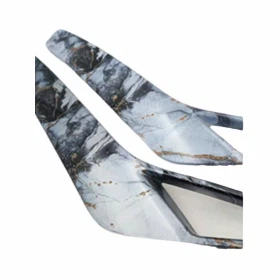
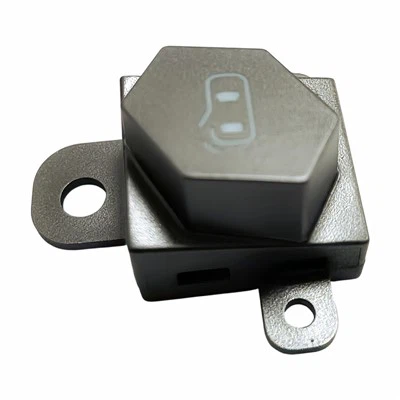
For example, Car Door Parts often require a high level of adhesion between the plastic substrate and the paint or coating to ensure long-lasting protection against corrosion and wear. By applying a coating that improves the surface energy of the plastic, manufacturers can achieve better adhesion and a more uniform finish, resulting in a higher-quality product.
Similarly, Automotive Interior Parts such as dashboards, door panels, and steering wheels need to have good printability and scratch resistance. Coating can enhance the surface energy of these parts, making it easier to print graphics and text, and providing a protective layer that resists scratches and abrasion.
In the case of Automotive Exterior Components like bumpers, grilles, and side mirrors, coating can improve the weather resistance and UV stability of the plastic, preventing fading, cracking, and discoloration over time. This ensures that the exterior components maintain their appearance and functionality throughout the lifespan of the vehicle.
Our Coating Solutions
As a leading coating of plastic parts supplier, we offer a wide range of coating solutions designed to meet the specific needs of our customers. Our coatings are formulated using advanced technologies and high-quality materials to provide excellent adhesion, durability, and performance.
We offer both solvent-based and water-based coatings, depending on the application requirements and environmental regulations. Our solvent-based coatings are known for their high solids content, fast drying time, and excellent chemical resistance, making them suitable for applications that require a tough and durable coating. On the other hand, our water-based coatings are environmentally friendly, low in VOCs, and offer good adhesion and flexibility, making them ideal for applications where sustainability is a priority.
In addition to our standard coating products, we also offer custom coating solutions tailored to the unique requirements of our customers. Our team of experts works closely with customers to understand their needs and develop coatings that meet or exceed their expectations. We use state-of-the-art testing equipment and quality control measures to ensure that our coatings meet the highest standards of quality and performance.
Contact Us for Your Coating Needs
If you're looking for a reliable and experienced coating of plastic parts supplier, look no further. Our commitment to quality, innovation, and customer satisfaction makes us the ideal partner for your coating projects. Whether you need coatings for automotive parts, consumer products, or industrial applications, we have the expertise and resources to provide you with the best solutions.
Contact us today to learn more about our coating products and services, and to discuss your specific requirements. Our team of experts is ready to answer your questions and help you find the right coating solution for your needs. Let's work together to enhance the performance and aesthetics of your plastic parts through the power of coating.
References
- Adamson, A. W., & Gast, A. P. (1997). Physical chemistry of surfaces. John Wiley & Sons.
- Mittal, K. L. (Ed.). (1996). Adhesion promotion techniques: Technology, theory, and practice. Marcel Dekker.
- Wu, S. (1982). Polymer interfaces and adhesion. Marcel Dekker.