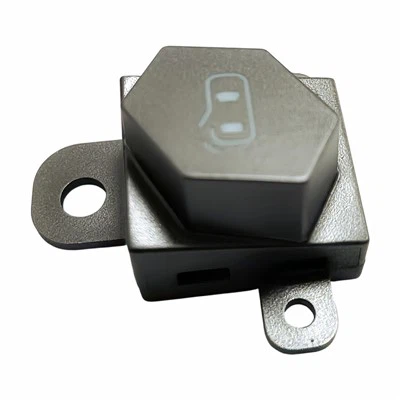
Are automotive connectors interchangeable? This is a question that often arises in the automotive industry, and as a supplier of Automotive Connector, I'm here to provide a comprehensive answer.
Understanding Automotive Connectors
Automotive connectors are essential components in vehicles, responsible for transmitting electrical signals and power between various parts of the vehicle's electrical system. They come in a wide range of shapes, sizes, and designs, each tailored to specific applications and requirements. From simple wire-to-wire connections to complex multi-pin connectors used in advanced electronic systems, automotive connectors play a crucial role in ensuring the reliable operation of vehicles.


Factors Affecting Interchangeability
The interchangeability of automotive connectors depends on several factors, including:
- Electrical Compatibility: Connectors must have the same electrical characteristics, such as voltage, current, and resistance, to ensure proper functioning. Mismatched electrical specifications can lead to electrical failures, overheating, and even safety hazards.
- Mechanical Compatibility: The physical dimensions and shape of connectors must match to ensure a proper fit. This includes the size of the connector housing, the number and arrangement of pins, and the locking mechanism. Incompatible mechanical designs can result in loose connections, intermittent electrical contact, and difficulty in installation.
- Environmental Compatibility: Automotive connectors are exposed to a variety of environmental conditions, including temperature, humidity, vibration, and chemical exposure. Connectors must be designed to withstand these conditions to ensure long-term reliability. Using connectors that are not suitable for the intended environment can lead to corrosion, degradation of electrical performance, and premature failure.
- Safety Standards: Automotive connectors must comply with strict safety standards to ensure the safety of vehicle occupants. These standards cover aspects such as electrical insulation, fire resistance, and protection against short circuits. Using non-compliant connectors can pose a significant safety risk.
Types of Automotive Connectors
There are several types of automotive connectors, each with its own unique features and applications:
- Terminal Connectors: These are the most basic type of automotive connectors, used to connect wires together. They come in various shapes and sizes, including blade terminals, spade terminals, and bullet terminals.
- Multi-Pin Connectors: These connectors have multiple pins and are used to connect complex electrical systems, such as engine control units, sensors, and actuators. They are available in different configurations, including circular, rectangular, and square connectors.
- Sealed Connectors: These connectors are designed to prevent the ingress of water, dust, and other contaminants. They are commonly used in applications where the connector is exposed to harsh environmental conditions, such as under the hood or in the wheel wells.
- High-Speed Connectors: These connectors are designed to transmit high-speed data signals, such as those used in automotive infotainment systems and advanced driver assistance systems. They require specialized designs and materials to ensure reliable data transmission.
Interchangeability in Practice
In practice, the interchangeability of automotive connectors is often limited. While some connectors may appear to be similar in terms of their physical appearance, they may have different electrical, mechanical, or environmental specifications. This means that even if a connector fits into a particular socket, it may not function properly or may not meet the required safety standards.
For example, a connector used in a high-temperature application may have a different insulation material or a more robust design to withstand the heat. Using a connector that is not designed for high temperatures in such an application can lead to overheating and electrical failure. Similarly, a connector used in a high-vibration environment may have a different locking mechanism or a more flexible design to prevent loose connections.
In addition, automotive manufacturers often use proprietary connectors to ensure the compatibility and reliability of their vehicles. These connectors are designed specifically for a particular make and model of vehicle and may not be interchangeable with connectors from other manufacturers.
The Role of a Supplier
As a supplier of Automotive Connector, we understand the importance of providing high-quality, reliable connectors that meet the specific needs of our customers. We work closely with automotive manufacturers and other industry partners to develop connectors that are designed to meet the latest standards and requirements.
Our connectors are rigorously tested to ensure their electrical, mechanical, and environmental performance. We use advanced manufacturing techniques and materials to ensure the durability and reliability of our products. In addition, we offer a wide range of connectors to meet the diverse needs of our customers, including standard connectors, custom connectors, and connectors for special applications.
We also provide technical support and assistance to our customers to help them select the right connectors for their applications. Our team of experts can provide advice on connector selection, installation, and maintenance, as well as help with troubleshooting and problem-solving.
Importance of Using the Right Connector
Using the right automotive connector is crucial for the reliable operation of vehicles. Here are some reasons why:
- Safety: As mentioned earlier, automotive connectors must comply with strict safety standards to ensure the safety of vehicle occupants. Using the right connector helps to prevent electrical failures, short circuits, and other safety hazards.
- Reliability: Properly selected and installed connectors ensure reliable electrical connections, which are essential for the proper functioning of vehicle systems. This helps to reduce the risk of breakdowns and costly repairs.
- Performance: The right connector can help to optimize the performance of vehicle systems. For example, using high-speed connectors in automotive infotainment systems can ensure smooth and reliable data transmission, resulting in a better user experience.
- Longevity: Connectors that are designed to withstand the environmental conditions and mechanical stresses of automotive applications have a longer lifespan. This helps to reduce the need for frequent replacement and maintenance.
Case Studies
To illustrate the importance of using the right automotive connector, let's look at a few case studies:
- Case Study 1: Engine Misfire
A vehicle was experiencing intermittent engine misfires. After a thorough inspection, it was found that the connector for the ignition coil was loose and corroded. The connector was replaced with a new, high-quality connector that was designed to withstand the high temperatures and vibrations under the hood. The engine misfires were immediately resolved, and the vehicle's performance improved significantly. - Case Study 2: Electrical System Failure
A vehicle's electrical system failed, resulting in a complete loss of power. The cause was traced to a faulty connector in the battery cable. The connector had been damaged due to exposure to moisture and corrosion. The connector was replaced with a sealed connector that was designed to prevent the ingress of water and other contaminants. The electrical system was restored, and the vehicle was back on the road. - Case Study 3: Sensor Malfunction
A vehicle's sensor was malfunctioning, causing inaccurate readings and affecting the performance of the engine control unit. The problem was found to be a loose connection in the sensor connector. The connector was tightened, but the problem persisted. It was then determined that the connector was not compatible with the sensor and was causing intermittent electrical contact. The connector was replaced with a compatible connector, and the sensor started working properly.
Conclusion
In conclusion, the interchangeability of automotive connectors is a complex issue that depends on several factors, including electrical, mechanical, environmental compatibility, and safety standards. While some connectors may appear to be interchangeable, it is important to use the right connector for the specific application to ensure the reliable operation of vehicles.
As a supplier of Automotive Connector, we are committed to providing high-quality, reliable connectors that meet the specific needs of our customers. We offer a wide range of connectors, technical support, and assistance to help our customers select the right connectors for their applications.
If you are in the market for automotive connectors, we invite you to contact us to discuss your requirements. Our team of experts will be happy to assist you in finding the right connectors for your needs. Whether you need standard connectors, custom connectors, or connectors for special applications, we have the expertise and resources to meet your requirements.
References
- SAE International. (20XX). Automotive Electrical Connector Standards.
- ISO. (20XX). International Standards for Automotive Connectors.
- Automotive News. (20XX). The Importance of Automotive Connectors in Vehicle Safety and Performance.